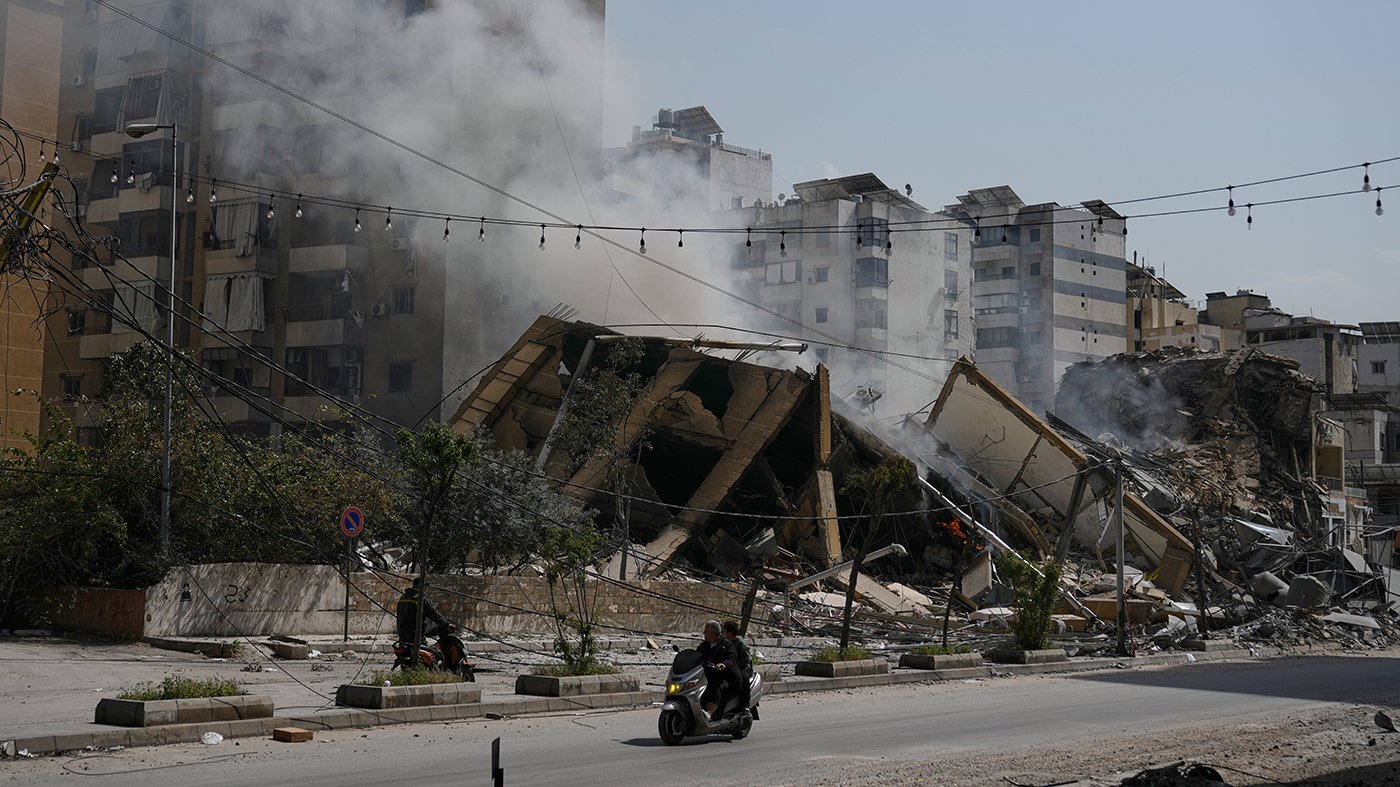
Senior United Nations officials reported Monday that at least 324 children have been killed in Iran and Lebanon since the United States and Israel initiated military strikes against Iranian targets in late February. Ted Chaiban, UNICEF's deputy executive director, disclosed the figures during a press briefing in New York, stating 206 children died in Iran and 118 in Lebanon.
Chaiban added that retaliatory strikes by Iran have resulted in the deaths of four children in Israel and one in Kuwait. In total, he said, more than 2,100 children across the region have been either killed or wounded since hostilities erupted. "Behind these numbers are parents, grandparents, teachers, brothers, and sisters," Chaiban stated. "Communities, cities, and nations are in shock."
Mass Displacement and Infrastructure Collapse
The conflict has triggered a massive humanitarian crisis, with rapid displacement driven by sustained bombardment and evacuation orders. Citing UNHCR estimates from March 12, Chaiban noted that up to 3.2 million Iranians, including 864,000 children, have been internally displaced, primarily fleeing Tehran and other major cities for northern and rural areas. In Lebanon, more than 1 million people, including roughly 370,000 children, have been forced from their homes, with many taking refuge in public buildings like schools.
"Across the Middle East, around 44.8 million children were already living in conflict-affected settings before this escalation," Chaiban warned. "The consequences of what is unfolding now will be long-lasting for them. Too many homes, schools and hospitals, the systems and services children depend on, have been damaged or destroyed. Health systems that were already under strain are now buckling. Supply chains are disrupted."
Controversy Over School Strike and Conflicting Diplomatic Claims
One of the deadliest single incidents highlighted was a missile strike on an Iranian girls' school on the first day of the conflict, which Amnesty International says killed at least 168 people, including over 100 children. While neither the U.S. nor Israel has claimed responsibility, a report by The New York Times cited an ongoing military investigation that concluded the U.S. was responsible. The report attributed the strike on the Shajareh Tayyebeh elementary school to a targeting error, with the U.S. military intending to hit an adjacent former military base.
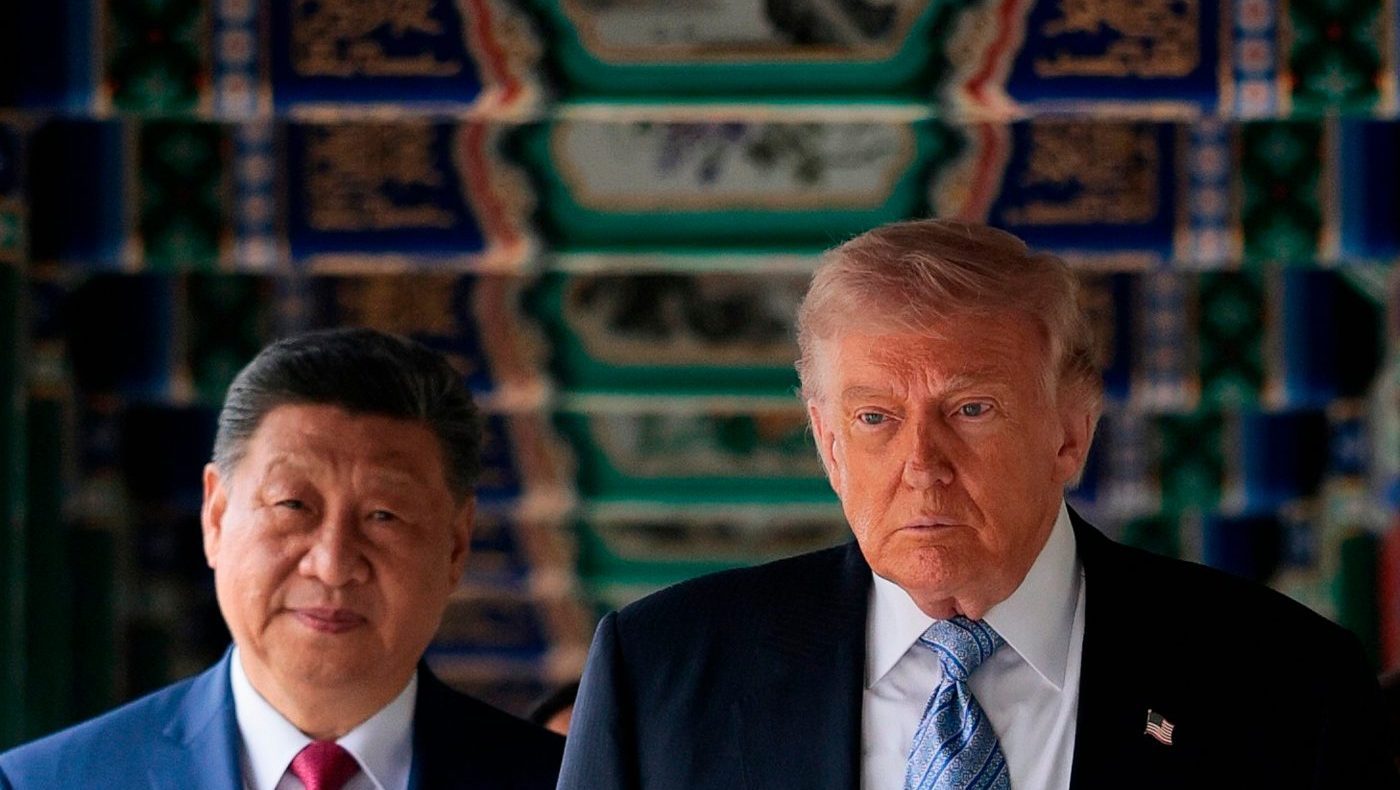
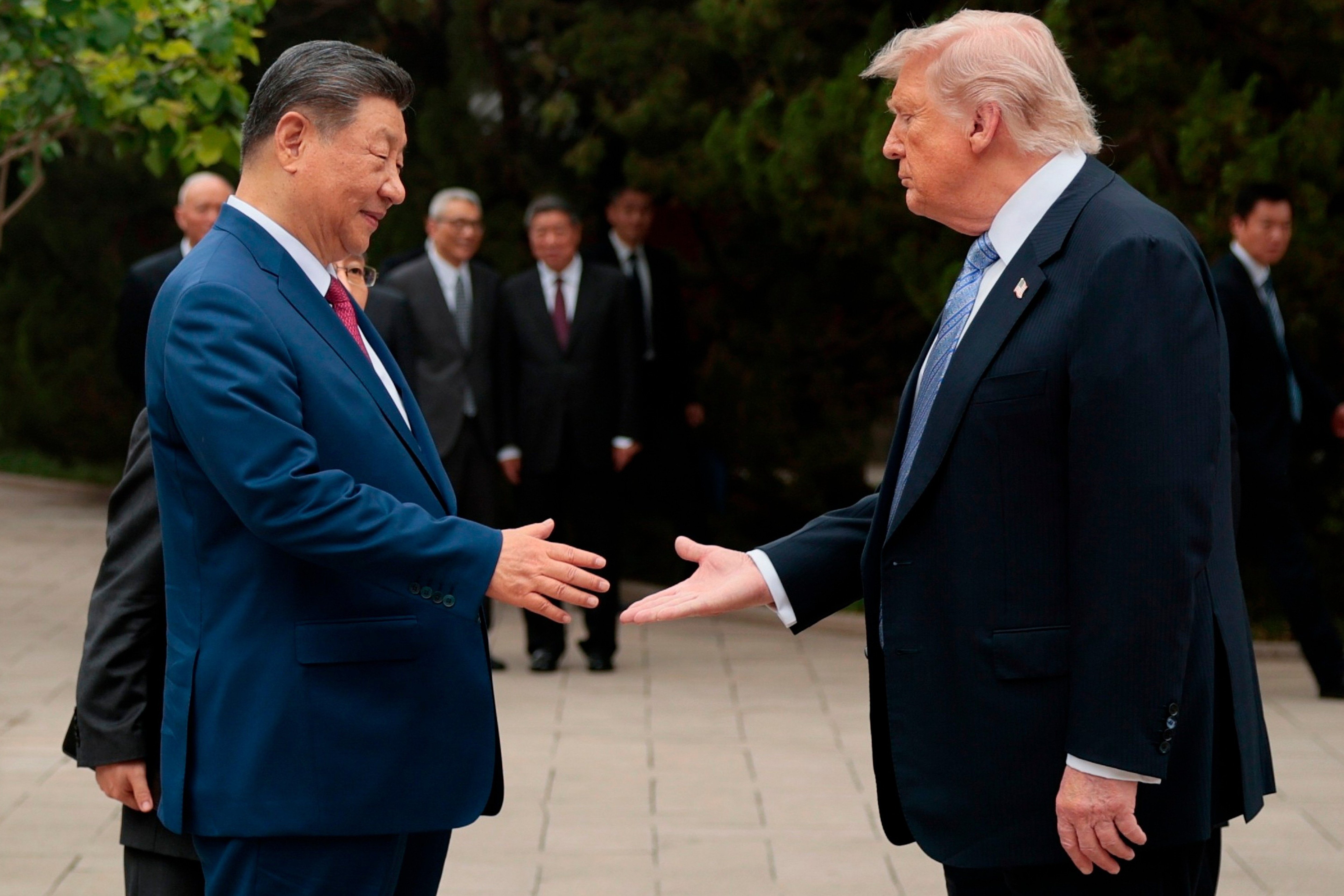
The announcement of the child casualty figures came amid conflicting signals about potential de-escalation. President Trump stated Monday that the U.S. is halting strikes on Iranian energy infrastructure for five days following what he called "productive conversations" about ending the conflict. However, this claim was swiftly rejected by Iranian Parliament Speaker Mohammad-Bagher Ghalibaf, who denied any negotiations were taking place and accused the U.S. of spreading "fakenews" to manipulate financial markets. This diplomatic friction follows recent warnings from Senator Chris Van Hollen, who accused the administration of dishonesty regarding Iran talks and raised alarms about potential war crimes.
Broader Regional Tactics and Military Strain
Further complicating the landscape, a Human Rights Watch researcher argued in an Al Jazeera op-ed that Israel is employing in Lebanon the same displacement tactics used in Gaza and the West Bank, strategically targeting Shia communities. "The international community can and should do better," wrote Nadia Hardman. "Governments should urgently act to end the potential forced displacement of civilians in Lebanon, ensure their right to return, and prevent further attacks."
The sustained conflict is placing significant pressure on U.S. military resources. As the fighting enters its fourth week, reports indicate the U.S. military is facing mounting strain, stretching personnel and assets across multiple theaters. The humanitarian and security crisis has also prompted the State Department to issue a global travel alert, warning U.S. citizens of heightened risks worldwide.
Meanwhile, the Trump administration has sent mixed signals on its strategic goals, having previously hinted at potential de-escalation even as it confronted crises in the Strait of Hormuz. The reported pause in strikes on energy infrastructure, detailed in our coverage of Trump's diplomatic claims and the subsequent oil market reaction, remains unverified by Iranian authorities, who continue to threaten economic retaliation.