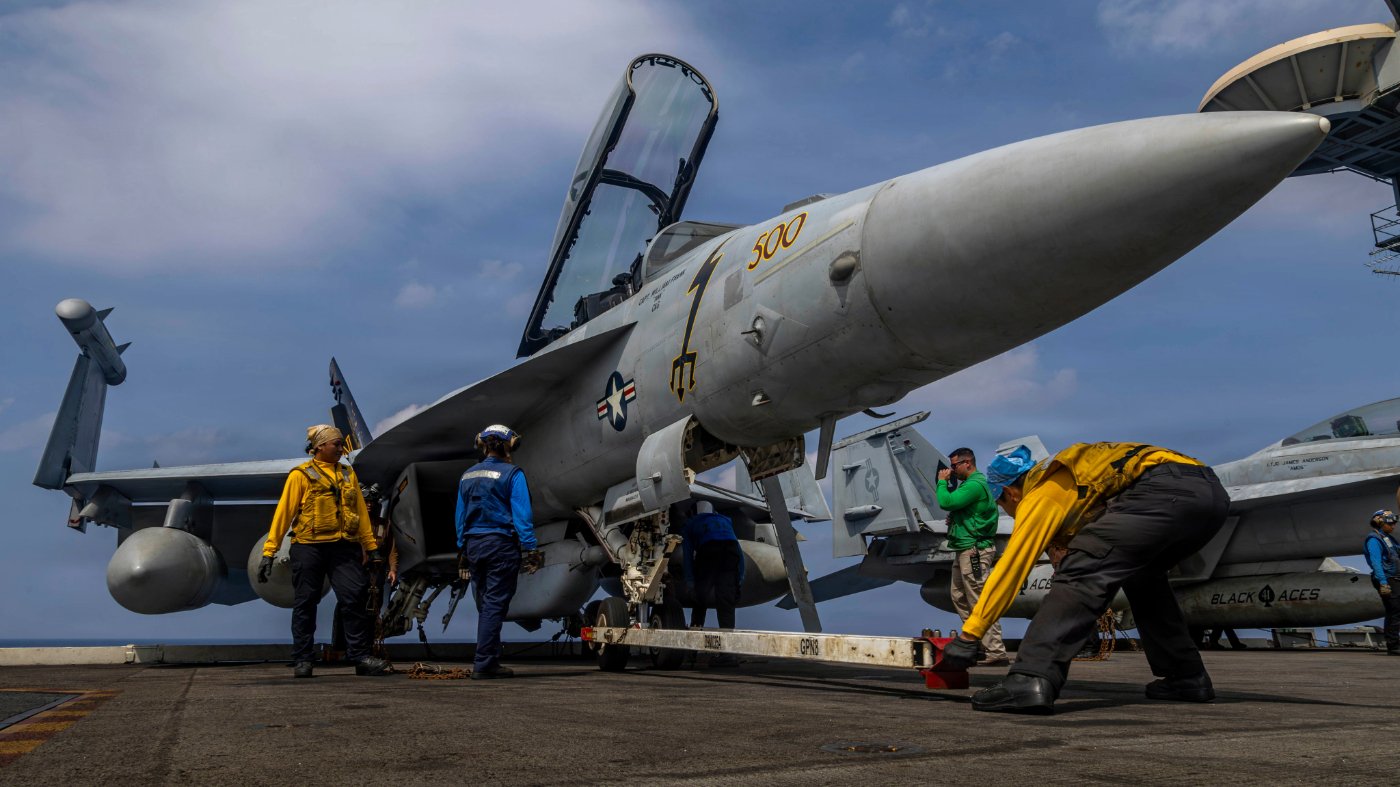
Three weeks into the joint U.S.-Israeli military campaign against Iran, American forces are confronting substantial and growing costs. The conflict, which began on February 28, has resulted in at least 13 U.S. service members killed and 232 wounded. The material toll is also severe, with 16 American aircraft destroyed, including high-value drones and fighter jets, and the sidelining of the USS Gerald R. Ford aircraft carrier following an onboard fire.
Escalation and Strategic Risk
With Pentagon officials reportedly preparing detailed plans for a potential ground force deployment into Iran—a move experts warn would trigger fierce retaliation—the human and strategic costs are poised to climb. Analysts argue the deepening engagement in the Middle East directly undermines U.S. security priorities elsewhere, particularly in the Indo-Pacific region. "You're taking an area that is not your top priority, and you're now sort of blown through readiness and maintenance issues with aircraft and ships that will be important for a China contingency operation," said Seth Jones of the Center for Strategic and International Studies, a former Pentagon official.
Despite President Trump's announcement Monday that nuclear talks with Iran had resumed over the weekend—preceded by threats to bomb Iranian energy infrastructure—the offensive continues. Senior military officials are now reportedly considering deploying a combat brigade from the Army's 82nd Airborne Division. This follows the accelerated deployment of the 11th Marine Expeditionary Unit last week and the earlier dispatch of the 31st Marine Expeditionary Unit, collectively adding over 4,000 Marines to the region.
Mounting Financial and Material Costs
The administration has sought to downplay the conflict's broadening scope and its price tag, estimated at up to $1 billion daily. However, the White House's plan to ask Congress for a $200 billion supplemental funding request underscores the severe strain on equipment and resources. The aircraft losses alone represent a massive financial blow: downed Reaper drones, F-15s, KC-135 tankers, and an F-35 fighter jet represent hundreds of millions of dollars in assets. The scale of loss starkly contrasts with past campaigns; during the 2011 Libya intervention, the U.S. reported only three combat losses over four months.
Naval assets are also feeling the pressure. The USS Gerald R. Ford, the Navy's largest carrier, is in Crete for repairs after a fire damaged its laundry facilities and toilet systems. "We saw last year that about a quarter of the Navy's deployed service fleet went to the Western Hemisphere for Venezuela operations, and now I'm seeing numbers of over 40 percent of deployed Navy ships for Iran operations. That stuff takes a toll," Jones noted, highlighting the wear and tear from sustained operations.
Critical Munitions Shortfalls
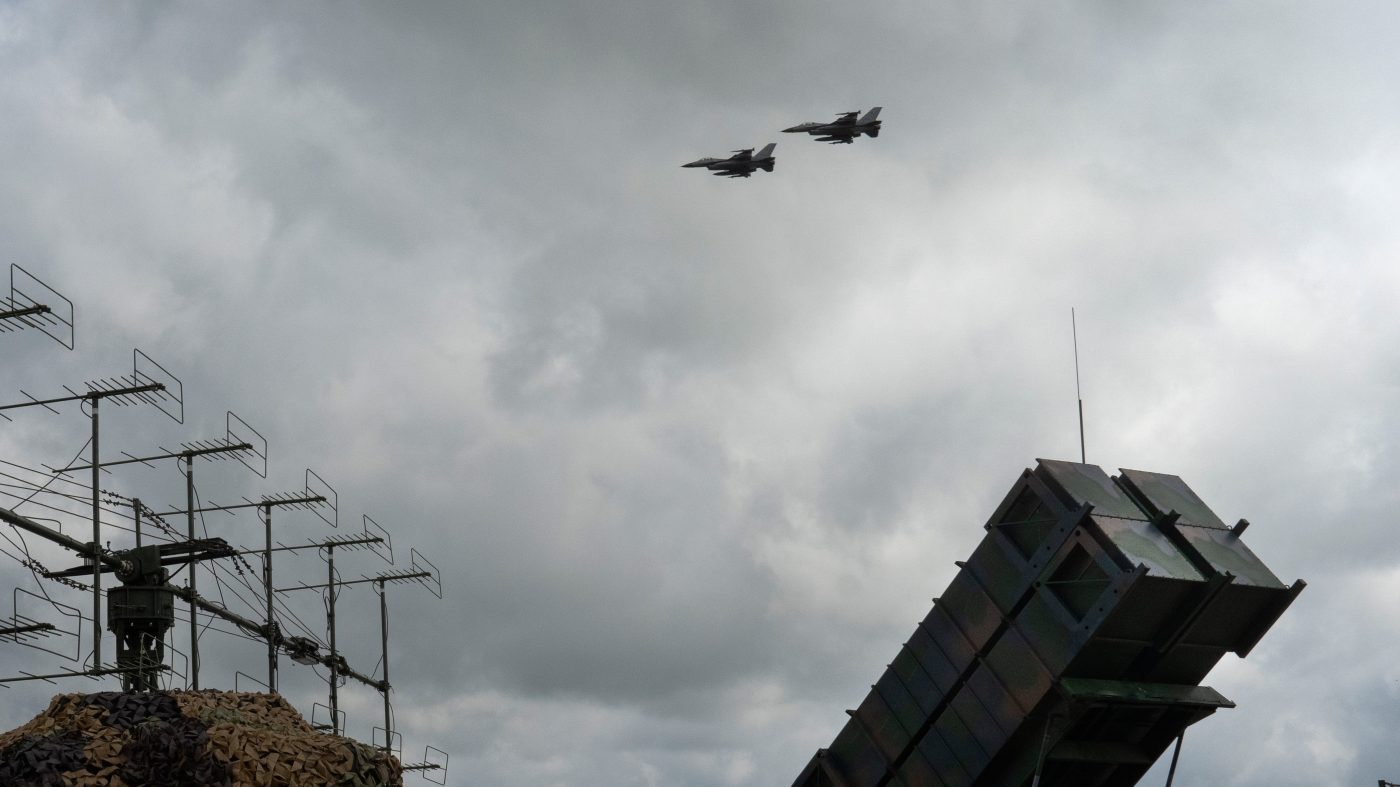
Perhaps most critically, the high-intensity conflict is rapidly depleting U.S. stockpiles of precision munitions and missile interceptors. Forces are expending large quantities of Terminal High Altitude Area Defense (THAAD) and Patriot interceptors, Advanced Medium-Range Air-to-Air Missiles (AMRAAMs), Tomahawks, and other ship-launched missiles. While President Trump asserted in early March that stockpiles of medium- and upper-medium-grade weapons have "never been higher or better," experts are skeptical. Katherine Thompson, a senior fellow at the Cato Institute and former Trump administration official, questioned the claim, stating, "I would be most curious to understand what the definition they're using in terms of what stockpiles they're talking about, because I think that context matters."
The cumulative impact of casualties, equipment degradation, and munitions depletion presents a significant challenge to U.S. military readiness. This strain comes as the conflict exposes strategic gaps in American planning and as public opinion shifts, with a majority of Americans now viewing the U.S. position as deteriorating. The situation is further complicated by diplomatic mixed signals, following reports of renewed nuclear talks that Tehran has denied. As the conflict extends into its fourth week, the long-term consequences for American military power and global posture are becoming increasingly clear.