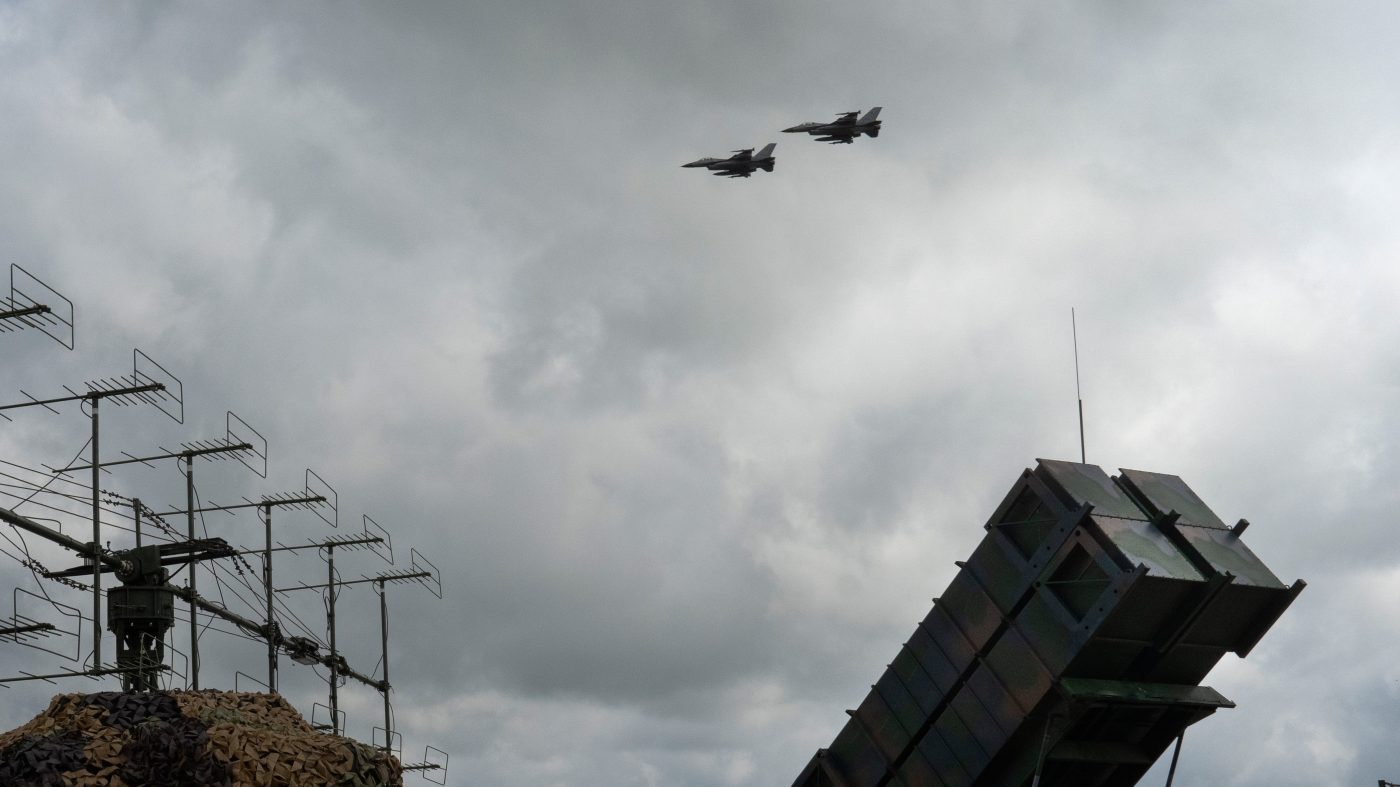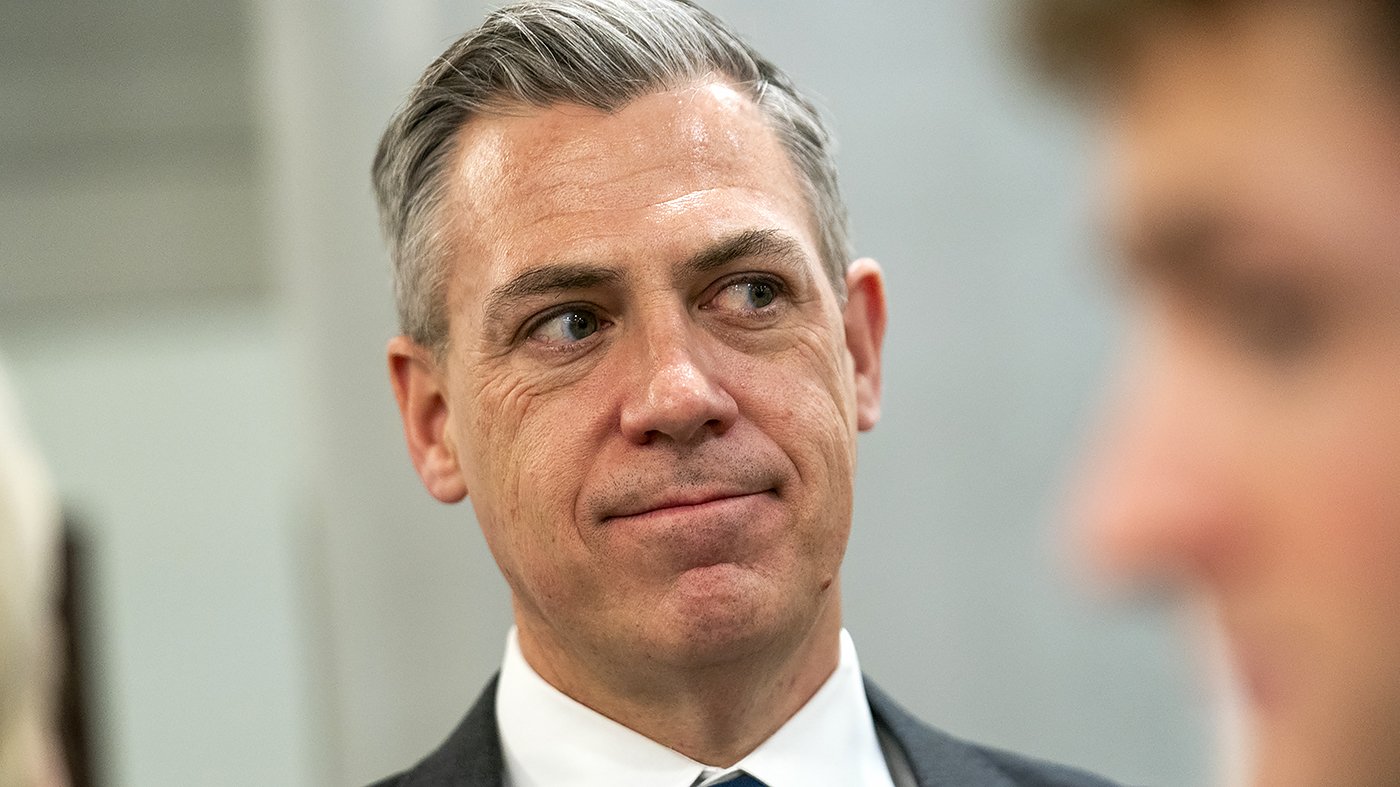
Senator Jim Banks (R-Ind.) on Sunday framed a proposed $200 billion supplemental funding package for military operations against Iran as a core "America First" initiative, arguing the massive expenditure would revitalize domestic defense manufacturing and reduce reliance on foreign suppliers.
Appearing on Fox News, Banks acknowledged the substantial price tag but insisted the funds would directly replenish U.S. munitions stockpiles. "It's in America's best interest that we reshore all of these defense manufacturing jobs in the United States and make weapons at home, rather than rely on China and other countries," he said.
The senator connected the funding to broader strategic goals. "The $200 billion is going to go to America First priorities that are good for what we're trying to do against terrorists in Iran," Banks stated. "It's also good for deterring a potential conflict with China over Taiwan. Every dollar will be spent on America First priorities."
Legislative Battle Looms
Congressional Republicans are grappling with the expected $200 billion request, which faces unified Democratic opposition. GOP lawmakers have reportedly discussed using budget reconciliation procedures to bypass a Senate filibuster, setting the stage for a major partisan clash over wartime spending and fiscal policy.
The debate occurs amid wider political divisions over foreign policy, similar to those seen in the recent Georgia runoff debate where candidates split sharply on Iran and economic strategy.
Pentagon Justifies Costs
Defense Secretary Pete Hegseth previously defended the funding request, suggesting the final figure might fluctuate. "Obviously, it takes money to kill bad guys," Hegseth told reporters last week. He emphasized the need to ensure the military is "properly funded for what's been done and what we may have to do in the future," including replenishing and expanding ammunition reserves.
This substantial financial commitment comes as the administration continues its pressure campaign against Tehran, following recent extensions of diplomatic ultimatums paired with temporary pauses in military action.
Broader Geopolitical Context
The funding debate unfolds against a complex backdrop of Middle Eastern diplomacy and great-power competition. Iranian officials, including key parliamentary figure Mohammad Bagher Ghalibaf, have consistently denied engaging in negotiations with the U.S., as detailed in reporting on Ghalibaf's role. Meanwhile, regional allies like Israel have offered conflicting assessments of American diplomatic intentions toward Iran.
Banks's argument that the spending would bolster deterrence against China highlights how lawmakers are increasingly linking Middle Eastern security commitments to Indo-Pacific strategy. The push to "reshore" defense jobs also aligns with broader economic policies aimed at reducing supply chain dependencies, a theme present in other administration actions such as energy sector deals.
As Congress prepares to consider the package, the discussion will center not only on the immediate needs of the Iran conflict but also on long-term industrial base policy and the fiscal implications of sustained military expenditure. The outcome will signal the political viability of large-scale defense spending framed through an "America First" lens.