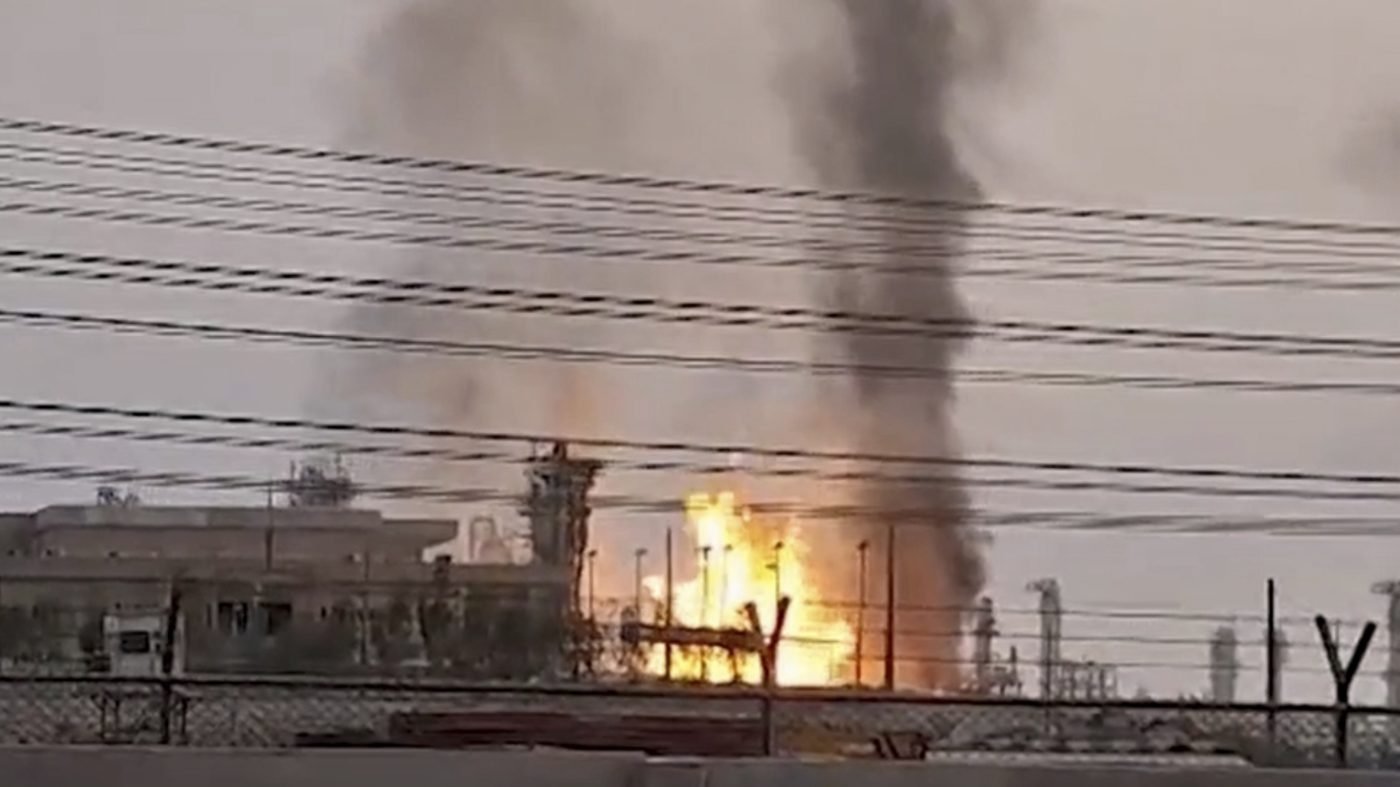
A majority of Americans assess the United States' strategic position in its ongoing confrontation with Iran as unfavorable, according to a new national survey. The CBS News/YouGov poll, conducted from March 17-20, reveals that 57% of respondents believe the conflict is proceeding either "somewhat badly" or "very badly" for U.S. interests. In contrast, 43% view the situation as turning out "somewhat well" or "very well."
Public Opinion and Policy Divide
The survey data underscores a significant public divide, with 60% of Americans expressing opposition to the conflict itself, while 40% support it. This sentiment arrives amid a critical period of diplomatic and military maneuvering by the Trump administration. The findings suggest that public confidence in the current strategy may be wavering, a factor that could influence the political landscape as seen in debates like the recent Georgia runoff where candidates clashed over Iran policy and economics.
Trump Announces Tactical Pause Following Talks
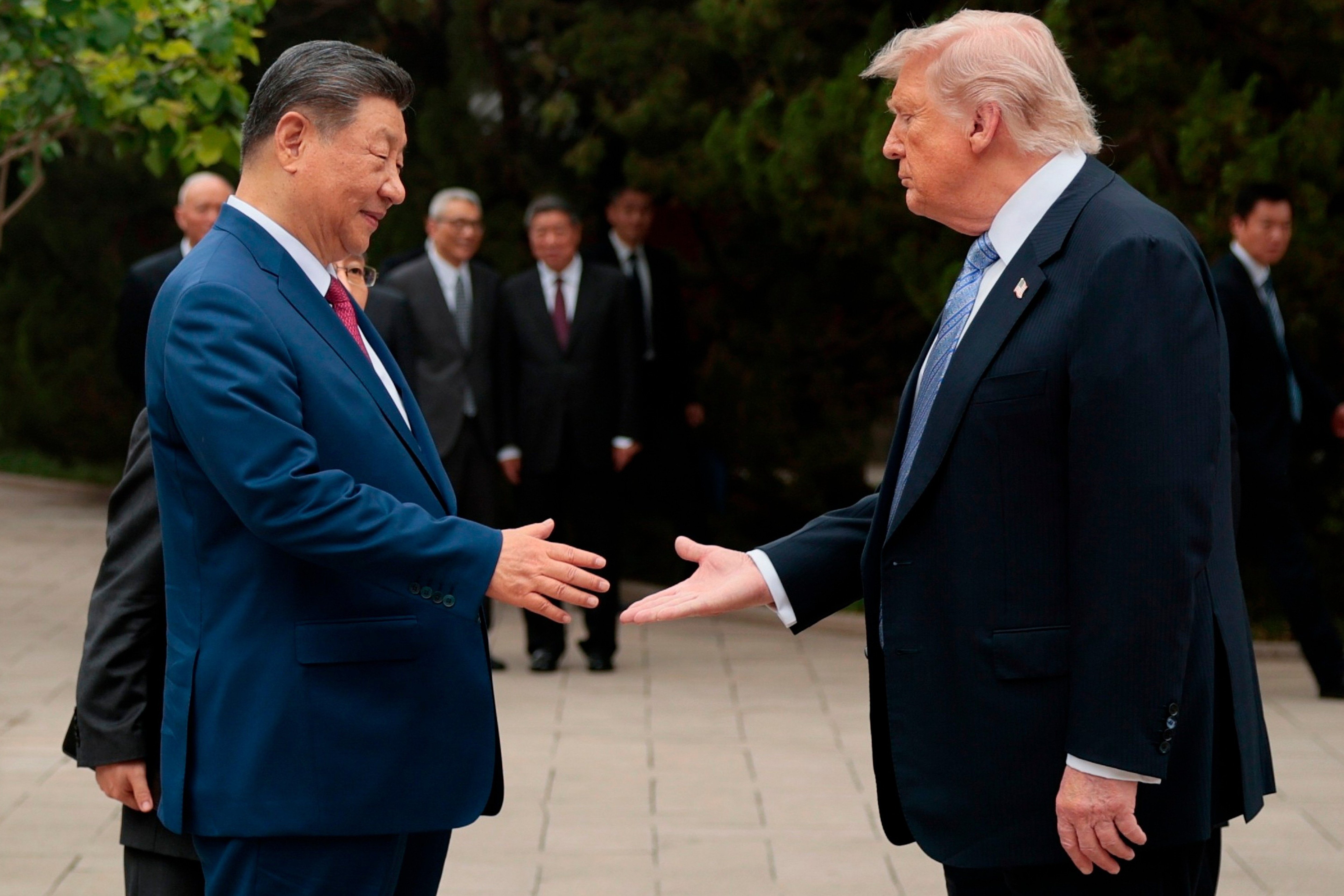
On Monday, President Donald Trump announced a temporary halt to U.S. military strikes targeting Iranian energy infrastructure. The five-day pause, he stated, followed what he characterized as "very good" and "productive" discussions with Iranian leadership. The president elaborated on his Truth Social platform, claiming conversations over the preceding two days concerned "a complete and total resolution of our hostilities in the Middle East."
"Based on the tenor and tone of these in depth, detailed and constructive conversations," Trump wrote, indicating talks would continue throughout the week, he had "instructed the Department of War to postpone any and all military strikes against Iranian power plants and energy infrastructure for a five day period." This move aligns with a broader pattern of extended ultimatums and tactical pauses that have previously affected global markets.
Diplomatic Communications and Denials
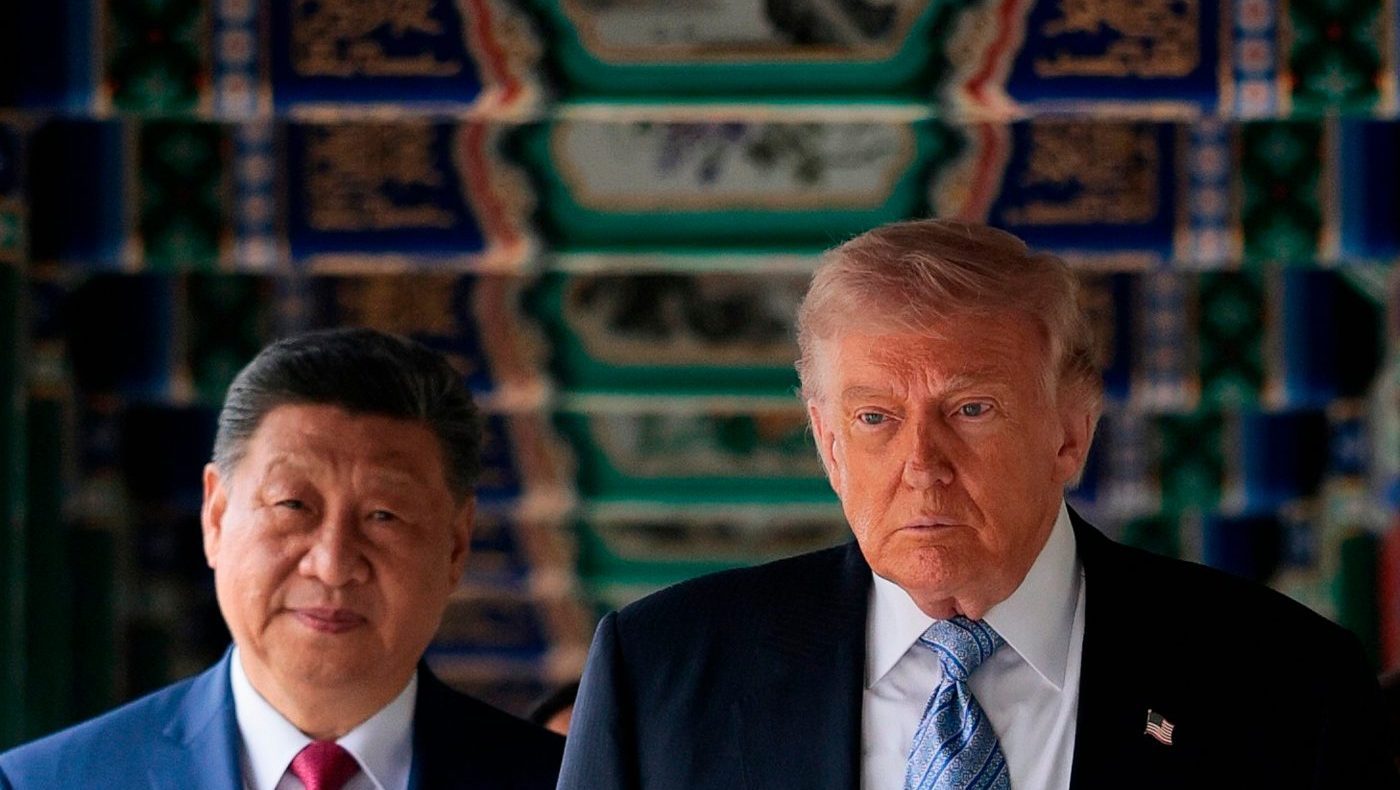
When questioned by reporters in Palm Beach, Florida, about his communications with Iran's Supreme Leader, Ayatollah Ali Khamenei, President Trump offered a cryptic response. "We're dealing with a man who I believe is the most respected and the leader," Trump said, before adding, "We have not heard from the son." The comment appeared to reference the complex power structure within Iran's theocracy. Such claims of direct negotiation are often met with swift denials from Tehran, a dynamic highlighted by the emergence of figures like Parliament Speaker Mohammad Bagher Ghalibaf amid official rejections of U.S. talks.
The administration's statements also contrast with regional assessments. Israeli Prime Minister Benjamin Netanyahu has previously publicly claimed that President Trump is seeking a new agreement with Iran, a assertion consistently denied by Iranian officials. This gap between U.S. declarations and Iranian confirmations adds a layer of uncertainty to the diplomatic process.
Poll Methodology and Context
The CBS News/YouGov poll surveyed 3,335 adults and carries a margin of error of plus or minus 2.1 percentage points. The timing of the survey, concluding on March 20, places it directly within the window of the reported diplomatic exchanges and the president's announcement of a military pause. The results reflect a snapshot of national sentiment as these high-stakes developments unfolded.
The broader political context for this conflict includes intersecting issues of energy security and defense strategy. The administration has concurrently engaged in complex energy diplomacy, such as the recent deal to swap offshore wind projects for liquefied natural gas capacity, which ties into the geopolitical calculus surrounding Iran and Middle Eastern stability. Public perception of the Iran conflict, as measured by this poll, will likely feed into the domestic political debate over national security priorities and resource allocation in the coming months.