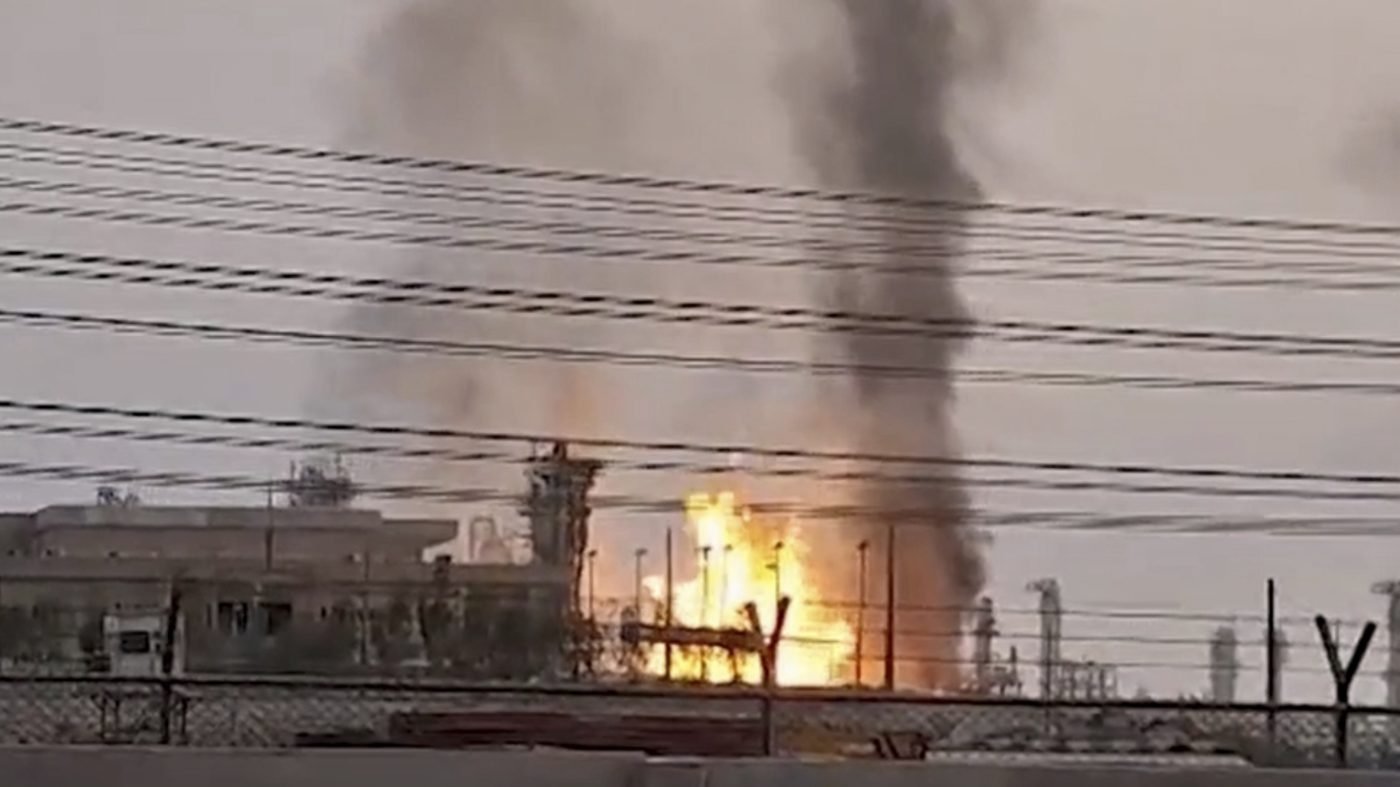
Retired Army Maj. Gen. James "Spider" Marks has assessed that the Iranian regime possesses the resilience to withstand the ongoing joint U.S. and Israeli military campaign against it for a minimum of "a couple of years." The prediction comes as the conflict enters its fourth week with no clear resolution in sight, contradicting initial White House timelines.
Strategic Crossroads for the White House
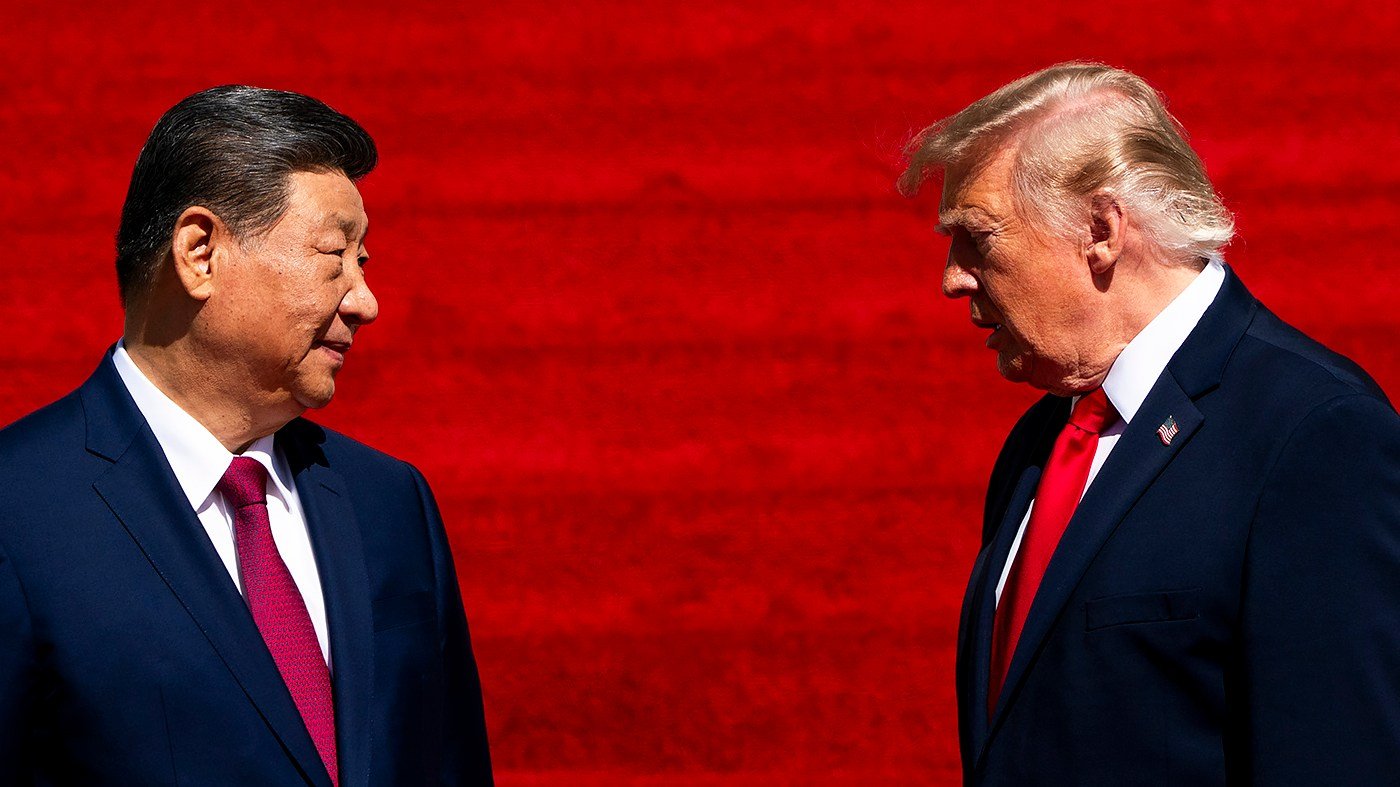
In an interview on MS Now, Marks framed the situation as a strategic crossroads for President Trump. The administration must decide between continuing a "very costly" bombing campaign with significant political ramifications or pursuing a diplomatic solution to declare the conflict finished. The alternative, Marks noted, is further escalation. This analysis emerges as the White House prepares to request a substantial $200 billion in supplemental funding from Congress for the military effort, signaling a potential shift toward a prolonged engagement.
"Tis But a Scratch": A Regime's Determination
Marks employed vivid imagery to describe Tehran's posture, comparing it to a scene from "Monty Python and the Holy Grail." "I don't see the regime giving up. I don't see the regime giving in," he stated. "It's like... 'tis but a scratch.' You know, they're getting their arms and legs cut off, but they're going to hang in there. And I think they're going to be able to hang in there for a couple of years, minimally." This assessment underscores a core challenge for Washington: confronting a regime Marks describes as singularly focused on survival, with fewer domestic political constraints than the U.S. must manage.
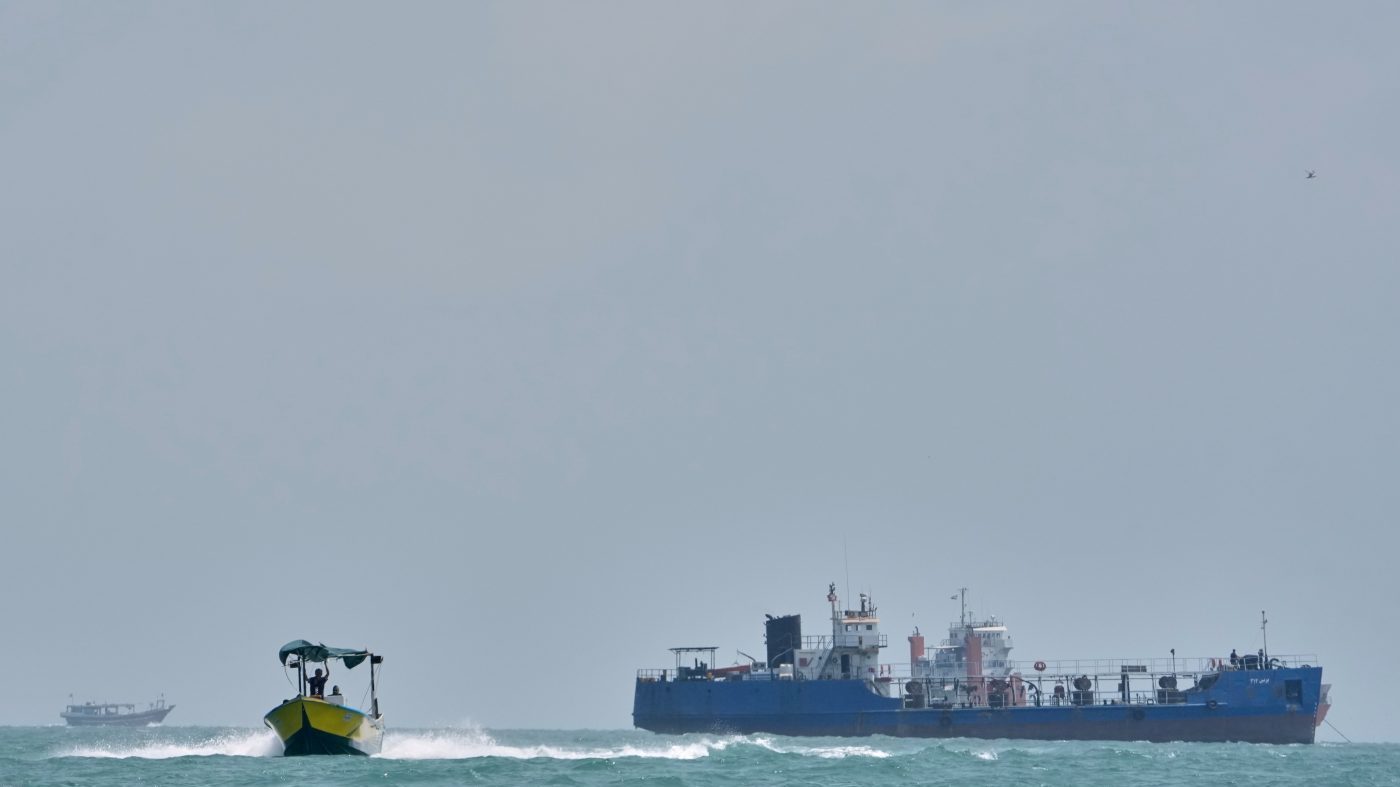
While President Trump has recently suggested openness to diplomacy amid growing concerns over the war's economic impact, parallel developments point toward potential escalation. Officials are reportedly considering a mission to use U.S. air and naval power to secure safe passage for oil tankers through the Strait of Hormuz. The vital waterway has been effectively closed by Iran since hostilities began on February 28, strangling a key global oil chokepoint. A move to forcibly reopen it would mark a significant intensification.
Regional Dynamics and a Lengthening Conflict
Further complicating the prospect of a swift conclusion, U.S. allies Saudi Arabia and the United Arab Emirates appear increasingly willing to join the military campaign following persistent Iranian attacks on their territory, according to a Wall Street Journal report. Their direct involvement could expand the regional scope of the war. This follows the UK's authorization for the U.S. to use its bases for strikes on Iranian missile sites, highlighting the coalescing of a broader coalition.
The fundamental asymmetry between the adversaries forms the crux of Marks's analysis. "This Iranian regime and the United States, they measure themselves against two entirely different standards," he argued. "Iran has no domestic anything that they care about. They just want to survive. And then you look at the United States, they've got multiple constituencies that they have to take care of, both globally and domestically. And it becomes very, very difficult." This disparity, he implies, grants Tehran a form of strategic endurance.
As the administration navigates these challenges, internal debates are evident. While some, like Senator Lindsey Graham, advocate for more aggressive measures such as seizing an Iranian oil terminal, the president has also shown a willingness to pause operations, having previously ordered a five-day halt to planned strikes on energy targets. Concurrently, logistical challenges have forced pragmatic decisions, like a temporary sanctions waiver for stranded Iranian oil.
On the Iranian side, leadership dynamics remain opaque, though figures like parliamentary speaker Mohammad Bagher Ghalibaf are emerging as key figures amid denials of negotiations with the U.S.. Meanwhile, Israel's ambassador to the United States has publicly called for Iranian-led regime change and vowed to continue the military campaign, underscoring the partners' aligned but potentially divergent long-term objectives.
The convergence of a resilient adversary, a costly military campaign, complex coalition politics, and high-stakes economic warfare suggests the conflict is settling into a grueling new phase. General Marks's prognosis of a multi-year Iranian capacity to endure presents a sobering counterpoint to initial hopes for a rapid, decisive outcome, setting the stage for a protracted test of political will and strategic patience in both Washington and Tehran.