In a significant policy shift, the Trump administration moved late Friday to temporarily suspend sanctions on Iranian crude oil that is currently stranded aboard tankers at sea. The decision, announced by the Treasury Department, represents a calibrated attempt to address soaring global energy prices exacerbated by the ongoing military confrontation with Tehran.
A Narrow Window for Stranded Crude
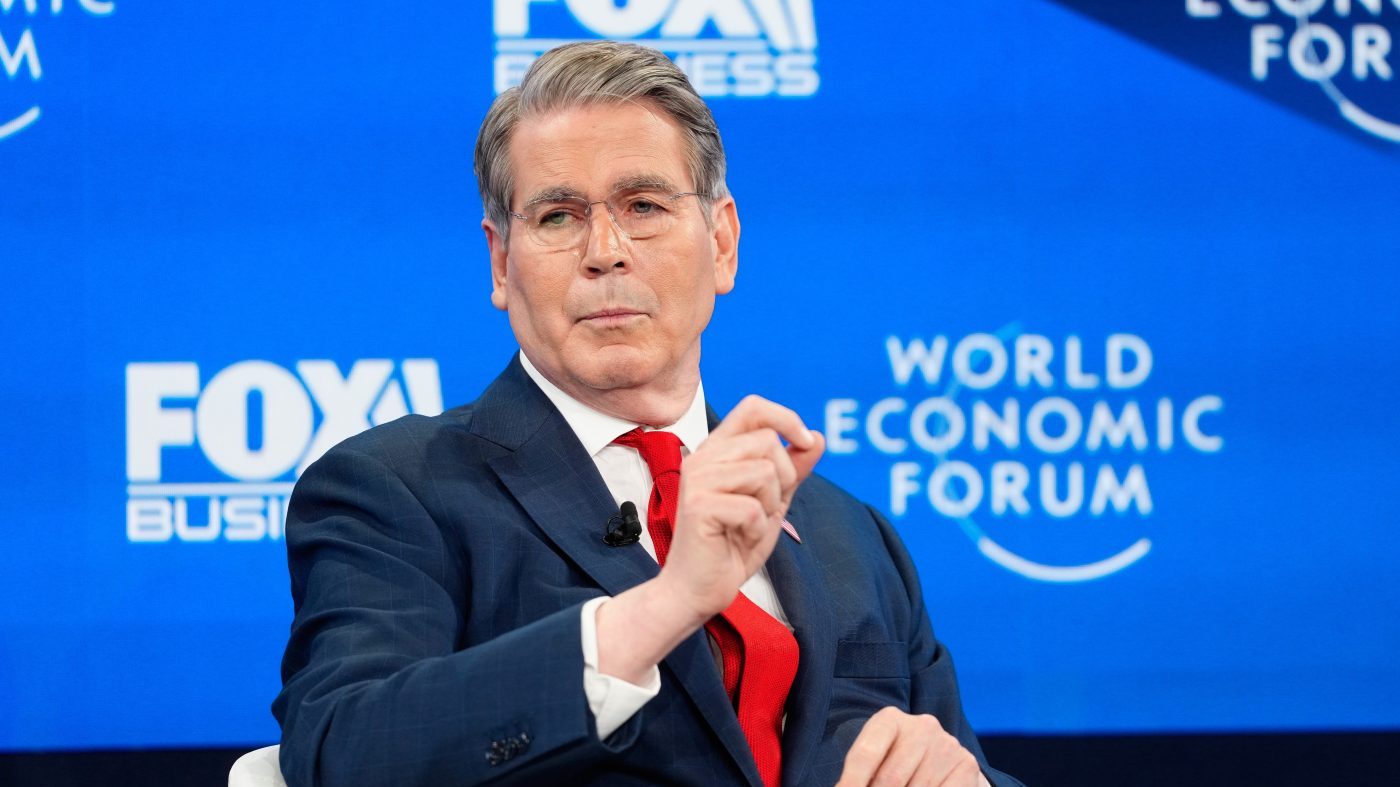
Treasury Secretary Scott Bessent announced the authorization via social media, describing it as a "narrowly tailored, short-term" measure. The order, effective through April 19, applies exclusively to Iranian oil that was already loaded and in transit before the waiver was issued. It explicitly prohibits new purchases or production from Iran.
"This temporary, short-term authorization is strictly limited to oil that is already in transit and does not allow new purchases or production," Bessent stated. He emphasized that the administration's "maximum pressure" campaign remains intact, noting that "Iran will have difficulty accessing any revenue generated and the United States will continue to maintain maximum pressure on Iran and its ability to access the international financial system."
Rationale: Easing Supply Crunch
Administration officials framed the move as a necessary step to stabilize volatile energy markets. Bessent said the waiver would free approximately 140 million barrels of oil for global consumption, directly aimed at "reliev[ing] the temporary pressures on supply caused by Iran." He had previewed the action in a Thursday interview, asserting, "In essence, we will be using the Iranian barrels against Tehran to keep the price down as we continue Operation Epic Fury."
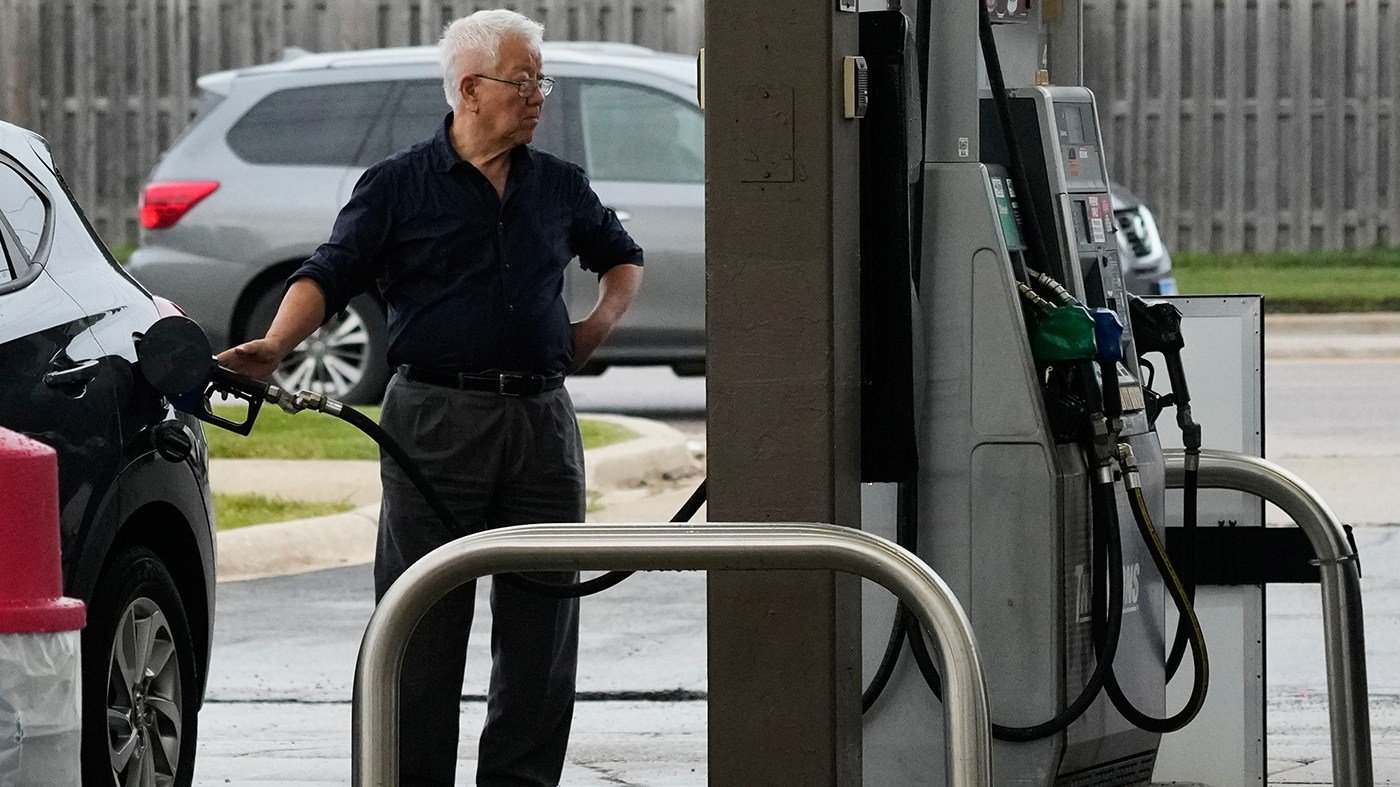
The decision comes as Iranian counterstrikes have severely disrupted traffic through the critical Strait of Hormuz, creating a substantial bottleneck for global oil shipments. According to AAA, the average price for regular gasoline in the United States has surged by nearly one dollar per gallon over the past month, highlighting the domestic economic pressure. This is part of a broader pattern of administrative efforts to manage the economic fallout from the crisis.
Immediate Bipartisan Backlash
The announcement drew swift and sharp condemnation from national security figures in both parties. Senator Richard Blumenthal (D-Conn.), a member of the Senate Armed Services Committee, lambasted the decision as "Sickeningly, shamefully stupid." In a social media post, he accused the White House of effectively bankrolling Tehran's military, writing, "A minimal benefit to oil prices, but huge boost to sworn enemies... helping Tehran with fueling their war machines with windfall cash."
Criticism extended beyond Capitol Hill. Victoria Taylor, director of the Iraq Initiative at the Atlantic Council, called the waiver "unfathomable." She noted in a statement that "across multiple Republican and Democratic administrations, our policy has been to find additional ways to prevent the sale of Iranian oil," questioning the logic of "simultaneously [being] at war with Iran and waiving sanctions on Iran." This internal dissent echoes previous Democratic accusations of dishonesty and dangerous policy regarding the administration's Iran strategy.
Broader Context of Market Interventions
The Iranian oil waiver is the latest in a series of emergency measures the Trump administration has deployed to cushion the American economy from the impacts of the conflict. Officials previously lifted similar sanctions on Russian oil trapped at sea, authorized releases from the U.S. Strategic Petroleum Reserve, and pushed for accelerated domestic production. These steps underscore the delicate balance the administration is trying to strike between applying military and economic pressure on Iran and mitigating the resultant shock to global energy markets and U.S. consumers.
The move also occurs amidst a complex diplomatic landscape, where public claims of de-escalation often contrast with military posturing. It follows a recent pause in strikes that the President framed as a diplomatic breakthrough, even as key regional players like Israeli Prime Minister Benjamin Netanyahu have suggested Washington is seeking a new deal with Tehran—a claim Iran vehemently denies.
As the April 19 expiration date for the waiver approaches, the administration's next steps remain unclear. The decision highlights the inherent tension in using comprehensive economic sanctions as a tool of statecraft during active hostilities, where the goal of crippling an adversary can directly conflict with the need to maintain stability in essential global commodities like oil.