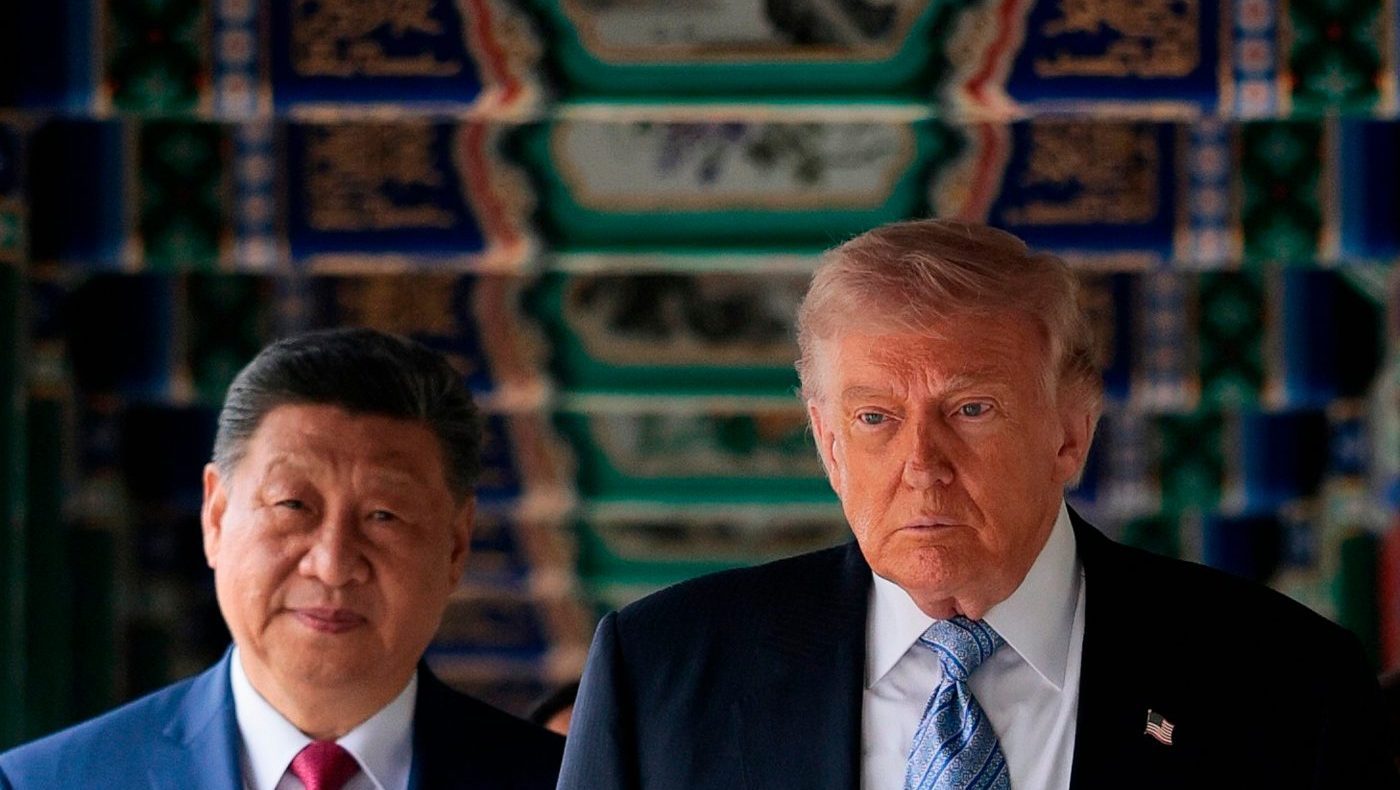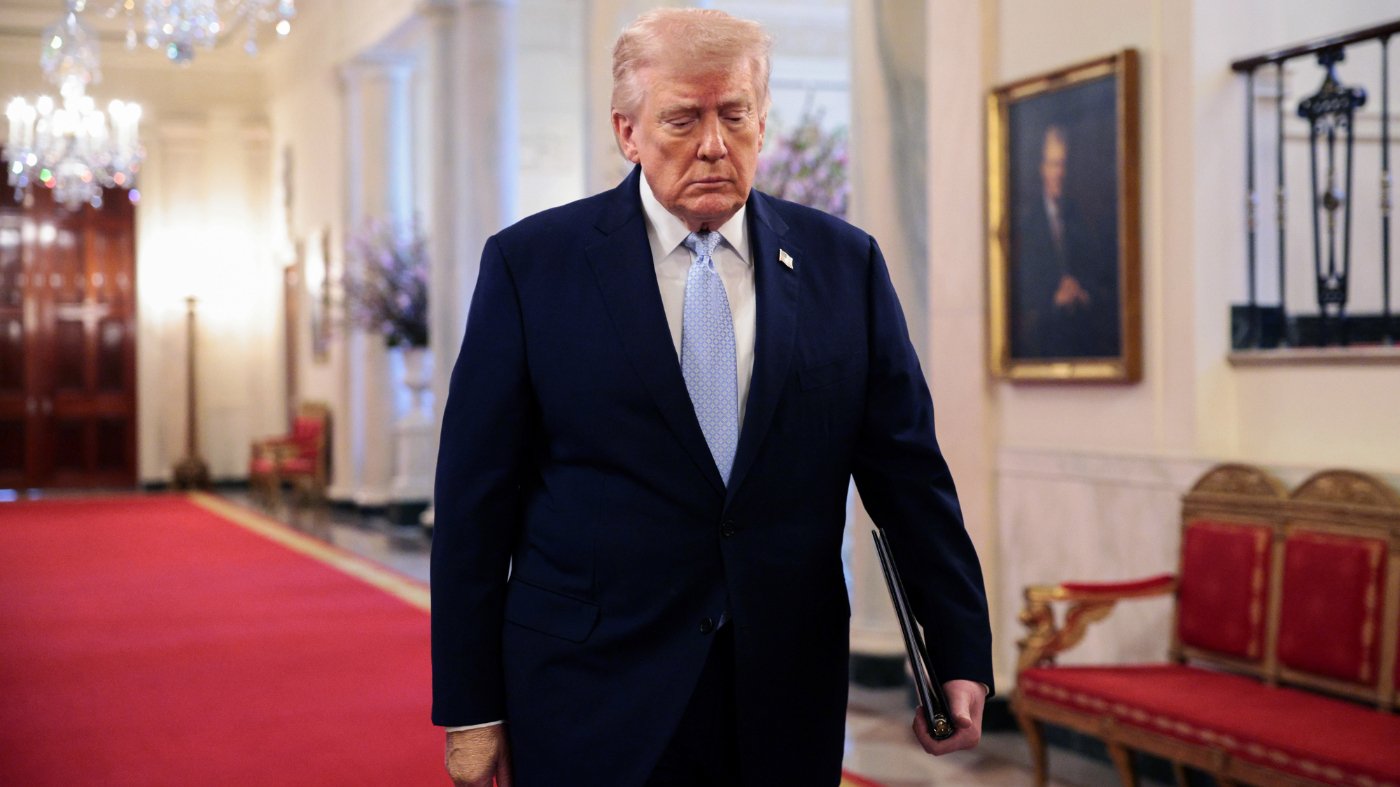
President Donald Trump announced Monday he has directed the Pentagon to postpone all military strikes against Iranian power plants and energy infrastructure for five days, citing what he called "very good" and "productive" conversations with leaders in Tehran. The decision, communicated via a Truth Social post written in all capital letters, marks a sudden shift from an ultimatum he issued just 48 hours earlier.
A Pause for Diplomacy?
In his statement, Trump claimed the U.S. and Iran have held conversations "over the last two days" aimed at achieving "a complete and total resolution of our hostilities in the Middle East." He said the pause in military action was "based on the tenor and tone of these in depth, detailed and constructive conversations," which he indicated would continue throughout the week. The president explicitly noted the postponement was "subject" to the progress of these talks.
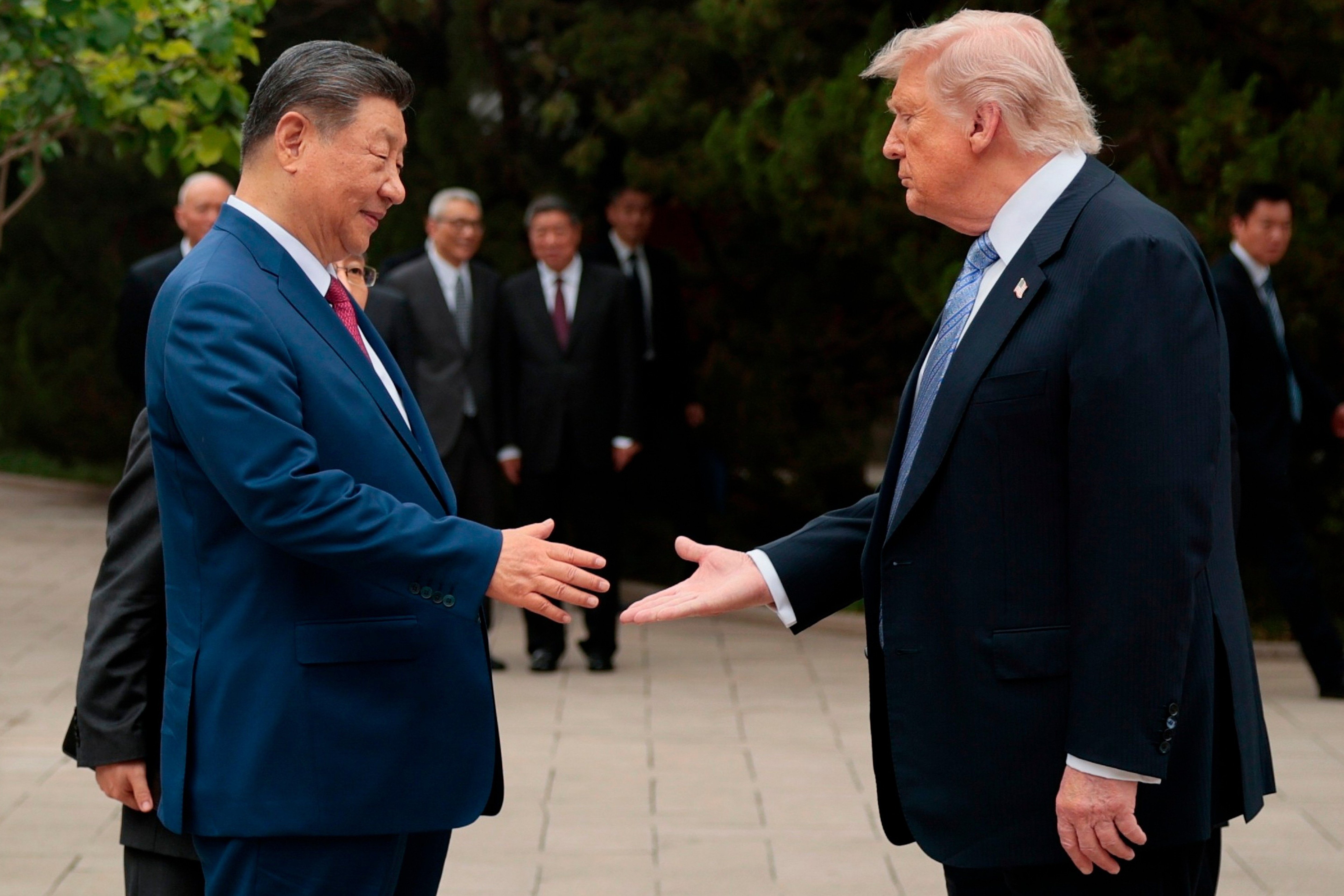
However, the claim of diplomatic engagement was immediately contradicted by Iranian state media, which denied any talks were taking place between the two nations. Iranian outlets portrayed Trump's announcement as the U.S. president "backing down" from his previous threats, suggesting a significant disconnect in the public narratives from Washington and Tehran. This development follows recent accusations from Senator Chris Van Hollen that the administration has misrepresented the state of communications with Iran.
From Ultimatum to Postponement
The five-day pause directly responds to a stark 48-hour ultimatum Trump issued on Saturday. In that post, he threatened that "the United States of America will hit and obliterate their various POWER PLANTS, STARTING WITH THE BIGGEST ONE FIRST!" if Iran did not fully reopen the Strait of Hormuz "WITHOUT THREAT." Iran had closed the critical global oil shipping lane last month following initial U.S. and Israeli strikes.
Iran responded to Trump's Saturday threat with a counter-warning, stating that if the U.S. carried out strikes on its infrastructure, Tehran would target American energy assets and infrastructure located in Gulf states. This exchange triggered immediate volatility in global energy markets. Oil prices spiked, with the Brent crude benchmark rising 1.69 percent to $114.09 a barrel and U.S. crude increasing 2 percent to $100.29.
The closure of the Strait of Hormuz has kept fuel prices volatile, and the Trump administration has struggled to form an international coalition to secure the waterway. Despite efforts, U.S. allies have so far resisted joining a formal coalition, leaving the administration's strategy in question. The president's mixed signals have added to the uncertainty; just last Friday, he suggested the U.S. was "getting very close" to meeting its objectives in Iran and was considering "winding down" military efforts in the region.
This latest announcement of a diplomatic pause aligns with broader signals from the administration about a potential de-escalation, even as military posturing continues. The situation remains fluid, with the five-day window creating a temporary off-ramp from a cycle of threats that had brought the two nations closer to a significant military confrontation.
The coming days will test whether this pause leads to genuine diplomatic engagement or merely delays a return to brinkmanship. With Iran publicly denying talks and global markets reacting to every development, the administration's next moves will be closely scrutinized by allies and adversaries alike.