Republican Senator Advocates for Military Seizure of Critical Iranian Asset
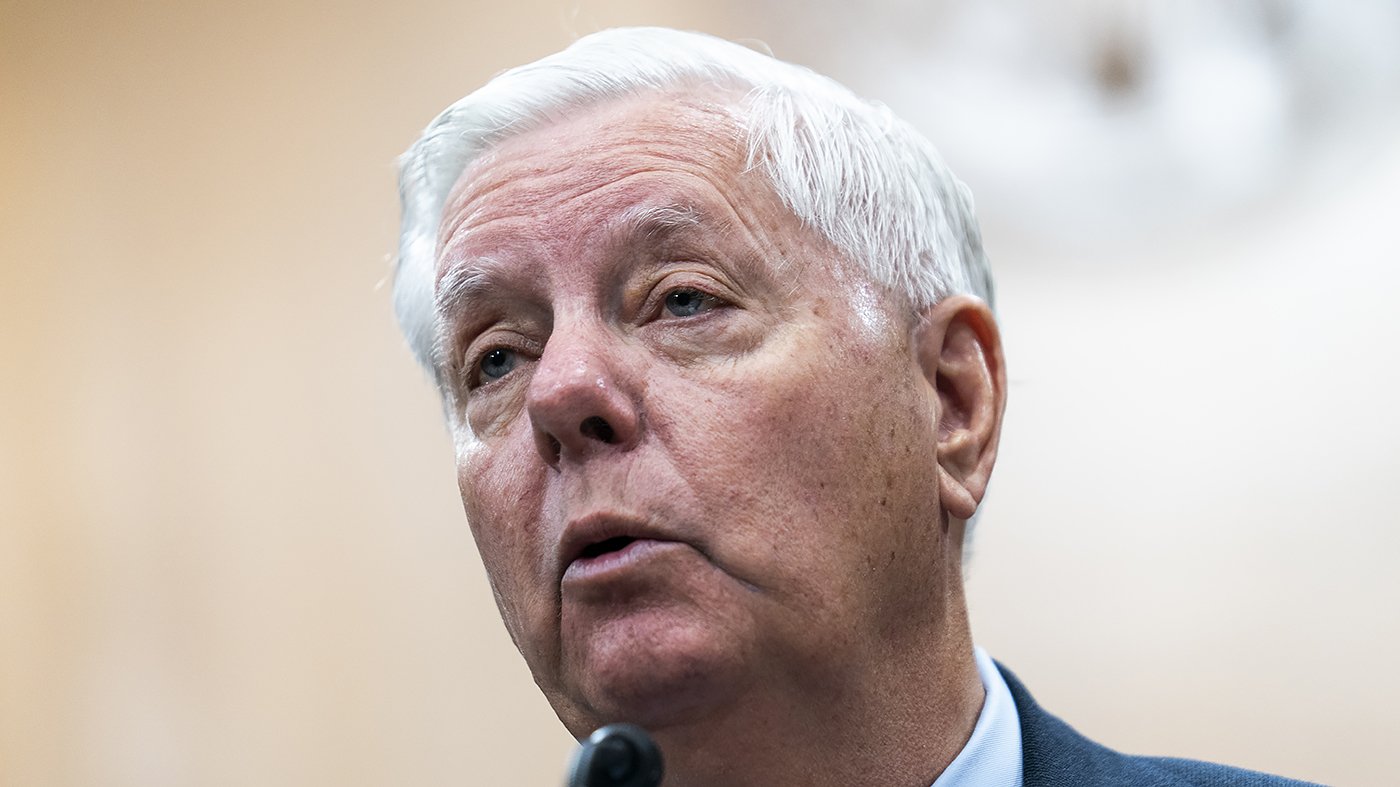
In a striking televised appeal, Senator Lindsey Graham (R-S.C.) has called for direct military action against Iran's economic lifeline, urging President Trump to order the capture of Kharg Island. The island, situated approximately 20 miles from Iran's coast, serves as the nation's central hub for exporting oil, handling the vast majority of its petroleum shipments. Graham made his case during an appearance on 'Fox News Sunday,' framing the seizure as a strategic move to cripple the Iranian regime by cutting off its primary revenue source.
A Call to Action and a Historical Comparison
"Here's what I tell President Trump: Keep it up for a few more weeks, take Kharg Island where all of the resources they have to produce oil, control that island, let this regime die on the vine," Graham told host Shannon Bream. To underscore his confidence in the feasibility of such an operation, the senator invoked one of the most storied amphibious assaults in U.S. military history. "We did Iwo Jima, we can do this," he declared, drawing a direct parallel to the 1945 Marine Corps campaign in the Pacific.
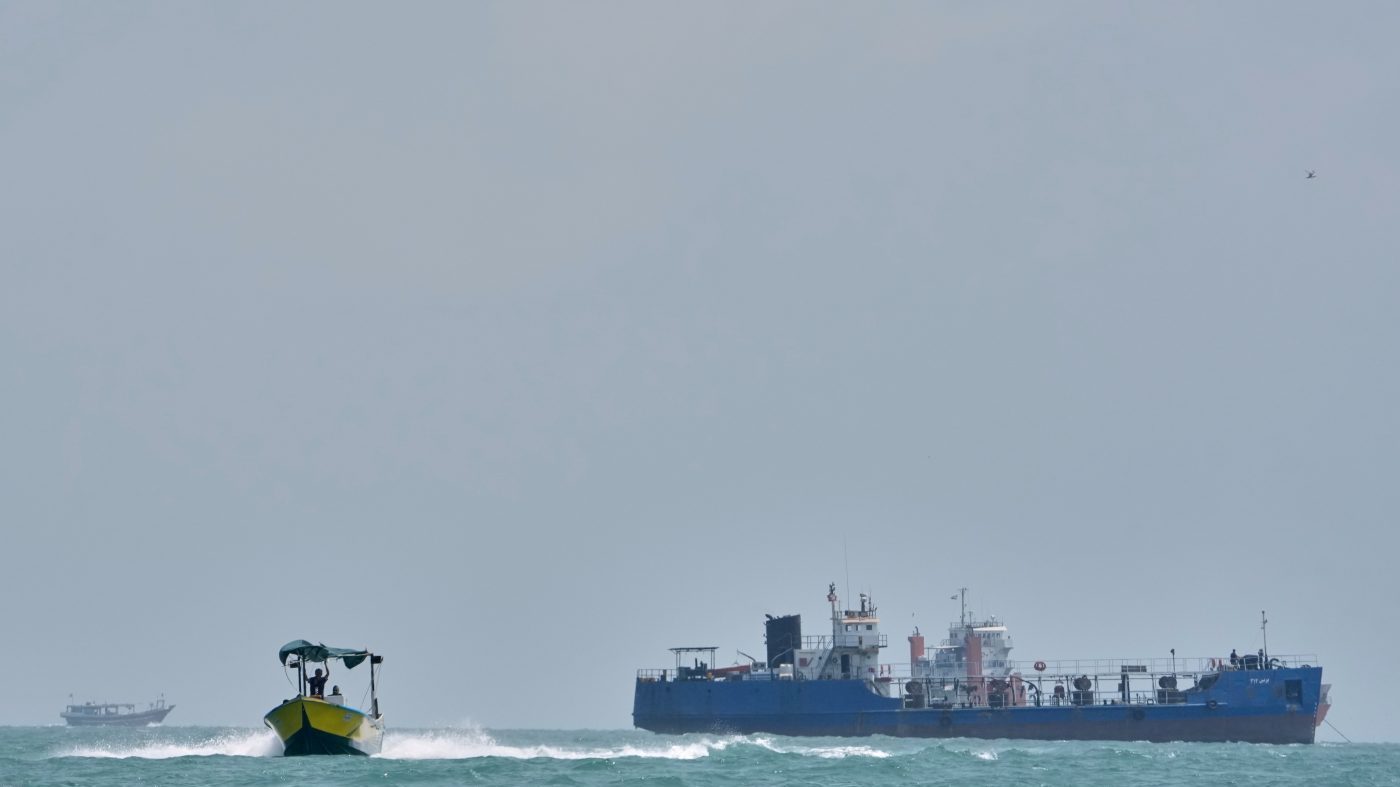
Graham's comments come amid a period of heightened tension and shifting U.S. posture, as the Trump administration has recently signaled potential avenues for de-escalation in the volatile Strait of Hormuz region. His aggressive proposal stands in stark contrast to that more cautious diplomatic tone.
Dismissing Critics and Expressing Faith in the Military
When confronted with an analysis from The Atlantic magazine warning that an invasion of the heavily defended island could devolve into a "grinding war of attrition," Graham dismissed the concern outright. "I'm sort of tired of all this arm chair quarterbacking," he stated. Expressing unwavering confidence in American military capability, he added, "I trust the Marines, not that guy. I trust DOD."
The senator pointed to current U.S. naval movements to bolster his argument. "We've got two Marine expeditionary area units sailing to this island," Graham claimed. "The Marines, my money's always on the Marines." His advocacy for a forceful seizure aligns with a faction within the administration pushing for more decisive action, a group that includes officials like Pete Hegseth, whom Trump has credited as being the first cabinet-level official to back military strikes against Iran.
Strategic Context and Political Reactions
The call to capture Kharg Island represents one of the most hawkish public recommendations from a senior U.S. lawmaker in the ongoing crisis. Controlling the island would grant the United States significant leverage over global oil flows from the Persian Gulf, though it would almost certainly trigger a severe military response from Iran and risk a broader regional war. The proposal also emerges as President Trump has shown a willingness to pause military action, having recently extended an ultimatum to Iran and ordered a temporary halt to planned strikes, a move that spurred a rally in financial markets.
Graham's stark recommendation is likely to draw sharp criticism from congressional Democrats and some foreign policy experts who warn against actions that could be construed as acts of war without congressional authorization. His stance contrasts with lawmakers like Senator Chris Van Hollen (D-Md.), who has publicly accused the administration of dishonesty regarding Iran negotiations and warned against potential war crimes. The debate over the proper scale and objective of U.S. pressure on Iran continues to divide Washington, even as the administration explores other strategic energy deals, such as a recent agreement to swap offshore wind projects for liquefied natural gas exports.
As the situation develops, the international community watches closely, with allies and adversaries alike gauging the administration's next move. Israeli Prime Minister Benjamin Netanyahu has claimed that Trump is simultaneously seeking a new agreement with Tehran, though Iranian officials have consistently denied any ongoing talks. Whether Graham's public push for a massive escalation influences White House decision-making remains a critical question for global security and energy markets.