The British government confirmed on Friday that it will permit American forces to utilize United Kingdom military bases for defensive strikes targeting Iranian missile sites. These sites are reportedly being used to attack commercial and military vessels transiting the critical Strait of Hormuz.
The decision followed an emergency ministerial meeting convened to address the escalating regional conflict, including Iran's sustained blockade of the strategic waterway and a series of attacks on maritime infrastructure. A Downing Street spokesperson stated the agreement falls under provisions for collective self-defense and specifically authorizes U.S. operations to degrade missile capabilities threatening shipping lanes.
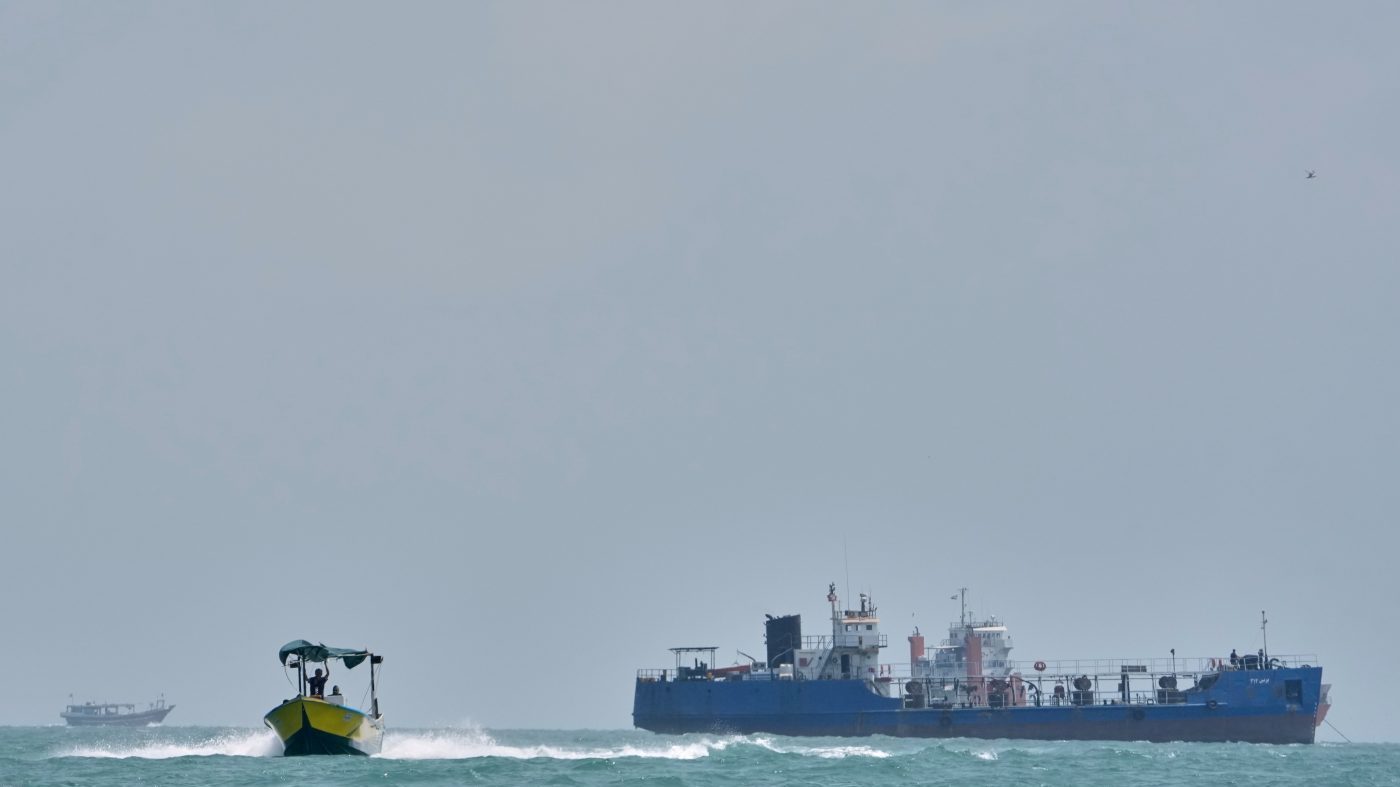
"They confirmed that the agreement for the US to use UK bases in the collective self-defence of the region includes US defensive operations to degrade the missile sites and capabilities being used to attack ships in the Strait of Hormuz," the spokesperson said. Officials emphasized they are coordinating with international partners to develop a plan protecting commercial shipping from what they termed "reckless" Iranian actions.
This move represents a reversal from Prime Minister Keir Starmer's initial position. Earlier, Starmer had blocked a U.S. request to use British bases for strikes against Iran while Washington deliberated potential military action. However, following retaliatory strikes launched by Tehran against joint U.S.-Israeli operations, the Prime Minister approved access to bases including Diego Garcia and RAF Fairford for parts of the American military campaign. Friday's announcement significantly expands that authorized use.
Conservative Party leader Kemi Badenoch immediately criticized the policy shift, labeling it the "mother of all U-turns." The decision unfolds against a backdrop of intense pressure from the Trump administration, which has repeatedly criticized European allies for their perceived reluctance to engage militarily. President Trump has rejected earlier UK offers of naval support and this week renewed calls for NATO members to join efforts to reopen the strait, a chokepoint for roughly one-fifth of global daily oil shipments.
Despite some NATO members, including the UK, indicating a "readiness to contribute" to securing the waterway, they have resisted broader involvement in the conflict. On Friday, Trump escalated his rhetoric, dismissing the alliance as a "paper tiger" and "cowards" for their collective opposition to conducting strikes. This comes amid broader signals from the Trump administration about potential de-escalation even as military posturing continues.
The UK government sought to frame its decision within consistent strategic principles. "They reaffirmed that the principles behind the UK’s approach to the conflict remain the same: the UK remains committed to defending our people, our interests and our allies, acting in accordance with international law and not getting drawn into the wider conflict," the official statement read. This careful phrasing underscores the delicate balance London is attempting to strike between supporting a key ally and avoiding a full-scale regional war.
The authorization also coincides with increased scrutiny of U.S. military and diplomatic maneuvers. Recent reporting has highlighted the emerging role of Iranian Parliament Speaker Mohammad Bagher Ghalibaf amid denials of backchannel negotiations with Washington. Furthermore, the Pentagon's engagement with the media remains under a spotlight after a federal judge struck down its press policy as unconstitutional.
The situation remains volatile, with global energy markets and geopolitical stability hanging in the balance. The UK's base-access decision is a tangible escalation of Western military involvement, directly linking British territory to U.S. combat operations against Iranian forces, while the government insists its overarching war aims remain limited.