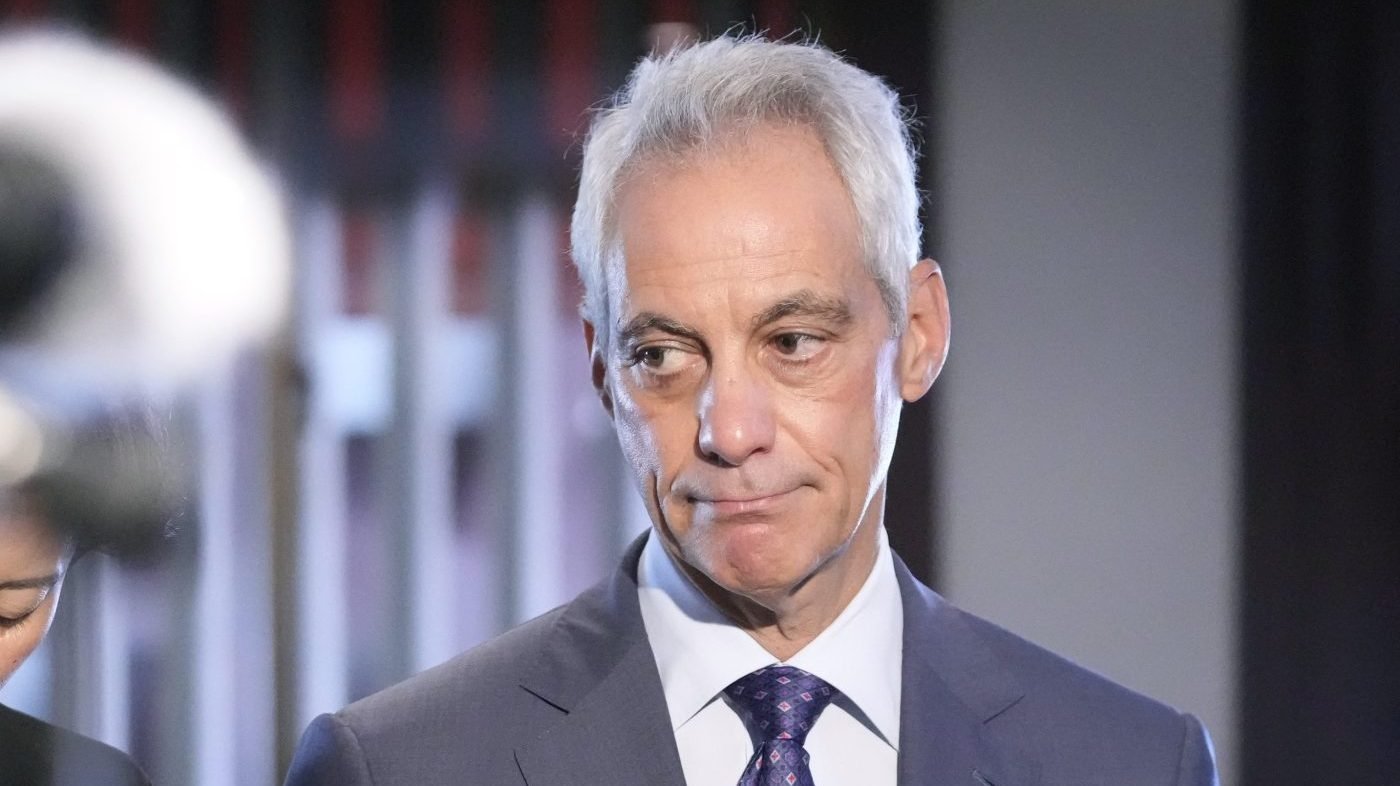
Former Chicago Mayor and Democratic political figure Rahm Emanuel asserted Wednesday that Iran has identified a powerful strategic weapon in its geopolitical arsenal: control over the Strait of Hormuz. Speaking on CNN, Emanuel characterized this maritime choke point as Tehran's discovered "nuclear option," as tensions between the United States, Israel, and Iran approach the one-month mark.
A Strategic Realignment
"The original objective of international pressure was to degrade or eliminate Iran's capacity to produce nuclear weapons," Emanuel told host Anderson Cooper. "But through this conflict, they've discovered they already possess a nuclear-level option—it's called the Strait of Hormuz." He suggested that while Western efforts may have been effective in curbing nuclear ambitions, they inadvertently highlighted Iran's pre-existing leverage over global energy supplies.
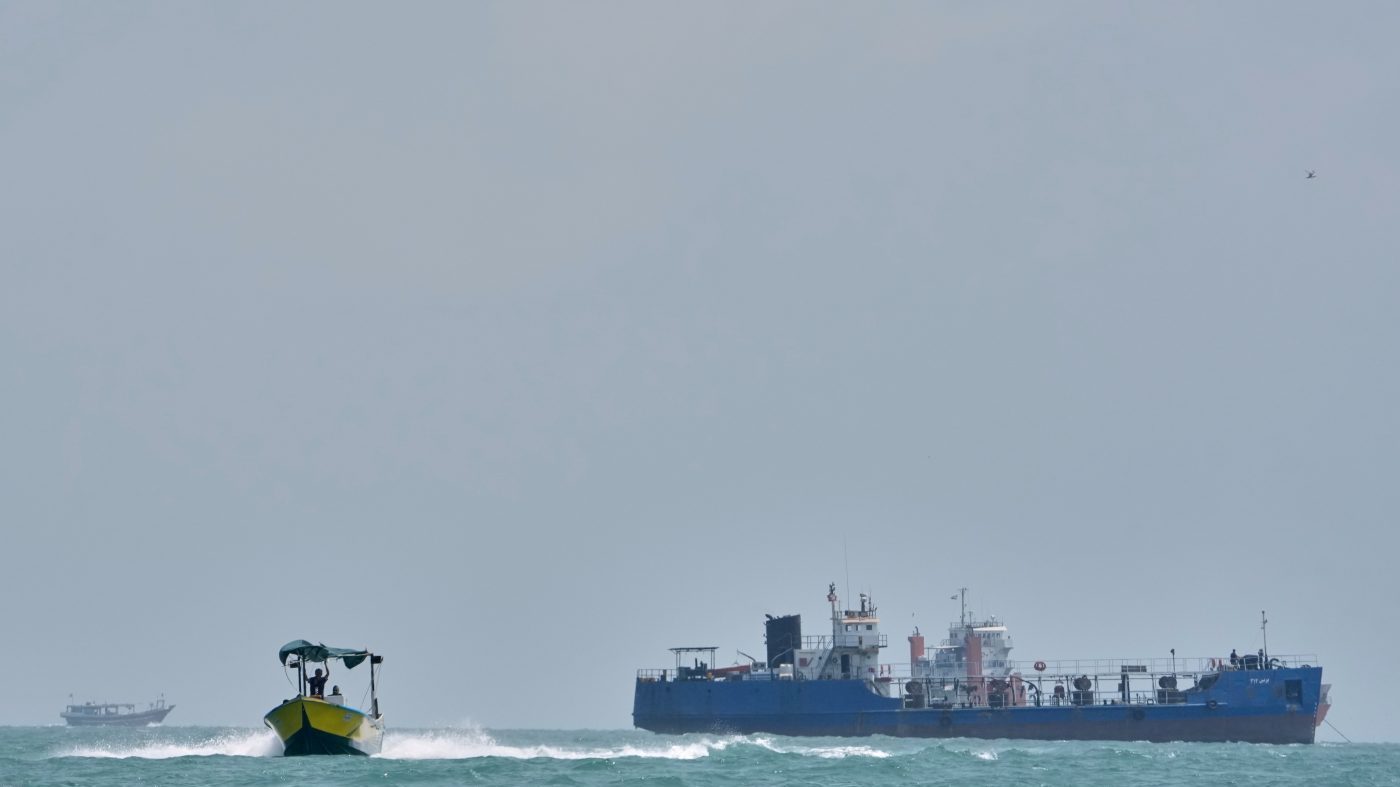
This analysis comes amid a complex diplomatic and military standoff. The narrow waterway, through which approximately one-fifth of the world's oil passes, has become the focal point of the escalating confrontation. Iran has previously set specific conditions for guaranteeing passage through the strait, framing it as a measure of self-defense.
Trump's Claims of Progress
On Thursday, President Donald Trump offered a contrasting narrative, suggesting diplomatic channels were yielding results. He characterized the passage of several oil tankers through the strait as a "present" from Iran to the United States. "We are having very substantial discussions with Iran," Trump told reporters. He recounted that Iranian officials, to demonstrate seriousness, stated they would "let you have eight boats of oil." The President noted he initially dismissed the communication but later saw news reports confirming the movement of vessels through the critical passage.
This claim of progress, however, was immediately challenged by congressional Democrats, who argue the administration's policies created the crisis. The disruption has already had tangible economic consequences, with U.S. gasoline prices surging following the conflict's onset and the strait's disruption.
Democratic Criticism of Strategy
Representative Seth Moulton (D-Mass.), appearing earlier on the same CNN program, delivered a scathing critique of the administration's handling of the situation. He accused President Trump of having to heavily solicit China's assistance in resolving the strait closure triggered by Iranian actions. "Apparently, now, their primary goal is reopening the Strait of Hormuz, which, let's be clear, was open before Trump started this war of choice," Moulton stated. "So, the reality is, at this moment, we are losing this war."
Moulton's comments underscore a deep partisan divide over the administration's Iran strategy, which some experts warn could lead to further escalation. Concerns have been raised that Iran could seize U.S. personnel if the conflict intensifies and ground troops are considered.
The situation remains fluid, with Iran reportedly demanding control of the Strait of Hormuz as one of several conditions to end the broader regional war. Emanuel's framing of the strait as a "nuclear option" elevates the stakes, suggesting that even a successful containment of Iran's atomic program may have simply shifted the arena of confrontation to a different, equally volatile, strategic domain. The administration's next moves, and its ability to secure the vital waterway without further escalation, will be a critical test of its foreign policy.