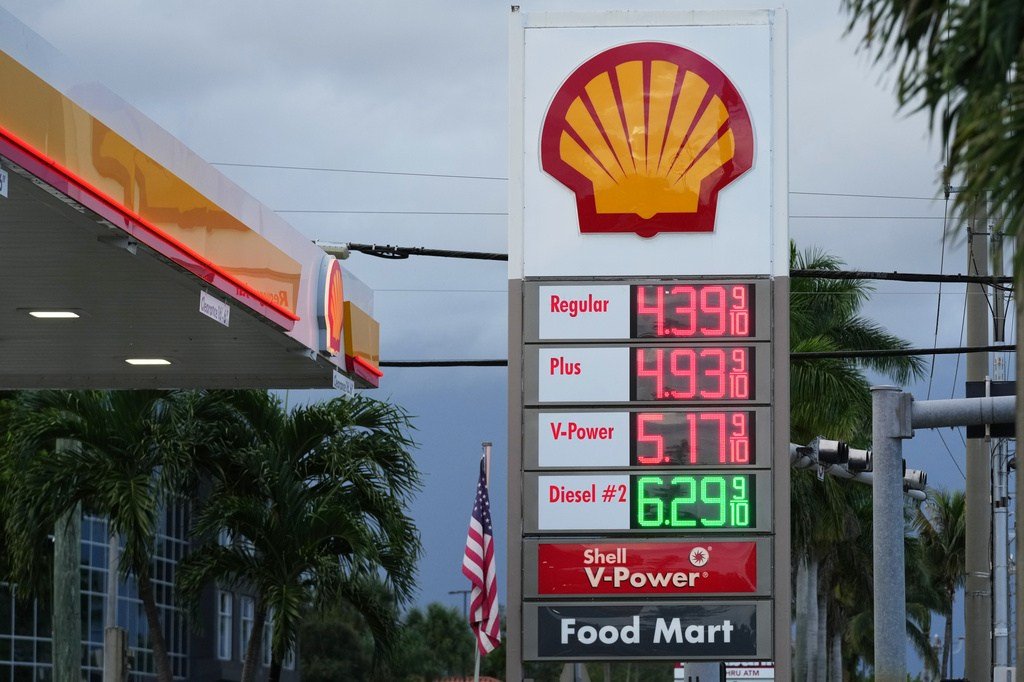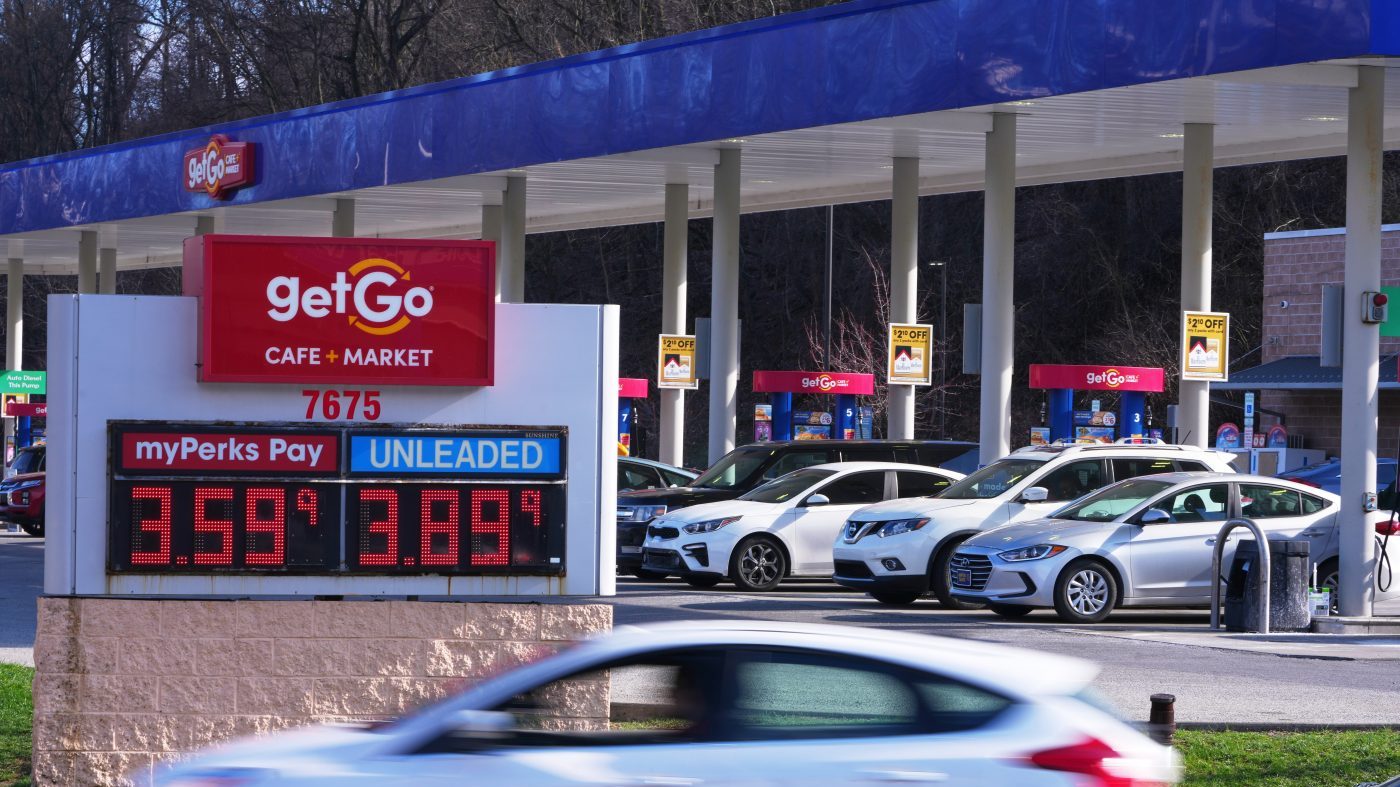
The price American drivers pay at the pump has surged dramatically in the wake of renewed hostilities with Iran, adding significant pressure to household budgets and the broader economy. According to the latest data from AAA, the national average for a gallon of regular gasoline now stands just above $3.98, marking a sharp increase from roughly $2.98 just one month prior. This represents a dollar-per-gallon increase that has materialized rapidly since the conflict began.
While seasonal factors typically push gasoline costs higher as summer approaches, analysts point to the geopolitical crisis as the primary driver behind this accelerated price hike. The conflict has triggered a major disruption in global energy markets, with immediate consequences for crude oil prices—the fundamental component of gasoline.

Strait of Hormuz Closure Fuels Market Panic
The most direct cause of the price spike is the effective halt of maritime traffic through the Strait of Hormuz, a narrow chokepoint crucial to global oil supplies. Approximately one-fifth of the world's seaborne oil transits this waterway. The security crisis has forced tankers to avoid the region, severing a key artery for crude deliveries and sending shockwaves through financial markets. The price of Brent crude, the international benchmark, has risen in tandem, directly inflating refining costs.
This geopolitical premium on oil has translated swiftly to retail gasoline stations. The current price is also substantially higher than levels seen one year ago, when the national average hovered around $3.14 per gallon. The sudden increase underscores the vulnerability of global energy infrastructure to regional conflicts and the speed at which such events impact consumers worldwide.
Political and Economic Fallout Intensifies
The soaring costs present a immediate political challenge for the administration, intertwining foreign policy decisions with domestic economic pain. The price surge has become a focal point for critics who argue the conflict carries severe unintended consequences. Notably, the President's approval rating has declined sharply as voters connect the dots between overseas military action and their wallets.
In response to the crisis, the Energy Secretary has signaled potential administrative actions aimed at mitigating the price spike, though options may be limited in the face of a physical supply disruption. Meanwhile, former administration officials have entered the fray, with a former Energy Secretary publicly defending the strategic rationale for the strikes despite the economic fallout.
The situation has broader implications for global power dynamics. Analysts note that sustained high energy prices, driven by instability, financially benefit other oil-exporting nations. Reports indicate the conflict is bolstering the economic positions of both Moscow and Tehran, potentially undermining the strategic goals of the military engagement.
Looking ahead, market stability hinges on the resolution of the maritime security crisis in the Persian Gulf. Any lasting closure or persistent threat to shipping in the Strait of Hormuz could lock in elevated prices for the foreseeable future. The administration faces mounting pressure to secure the waterway and demonstrate a path toward price relief, even as it manages the complex military and diplomatic dimensions of the conflict.