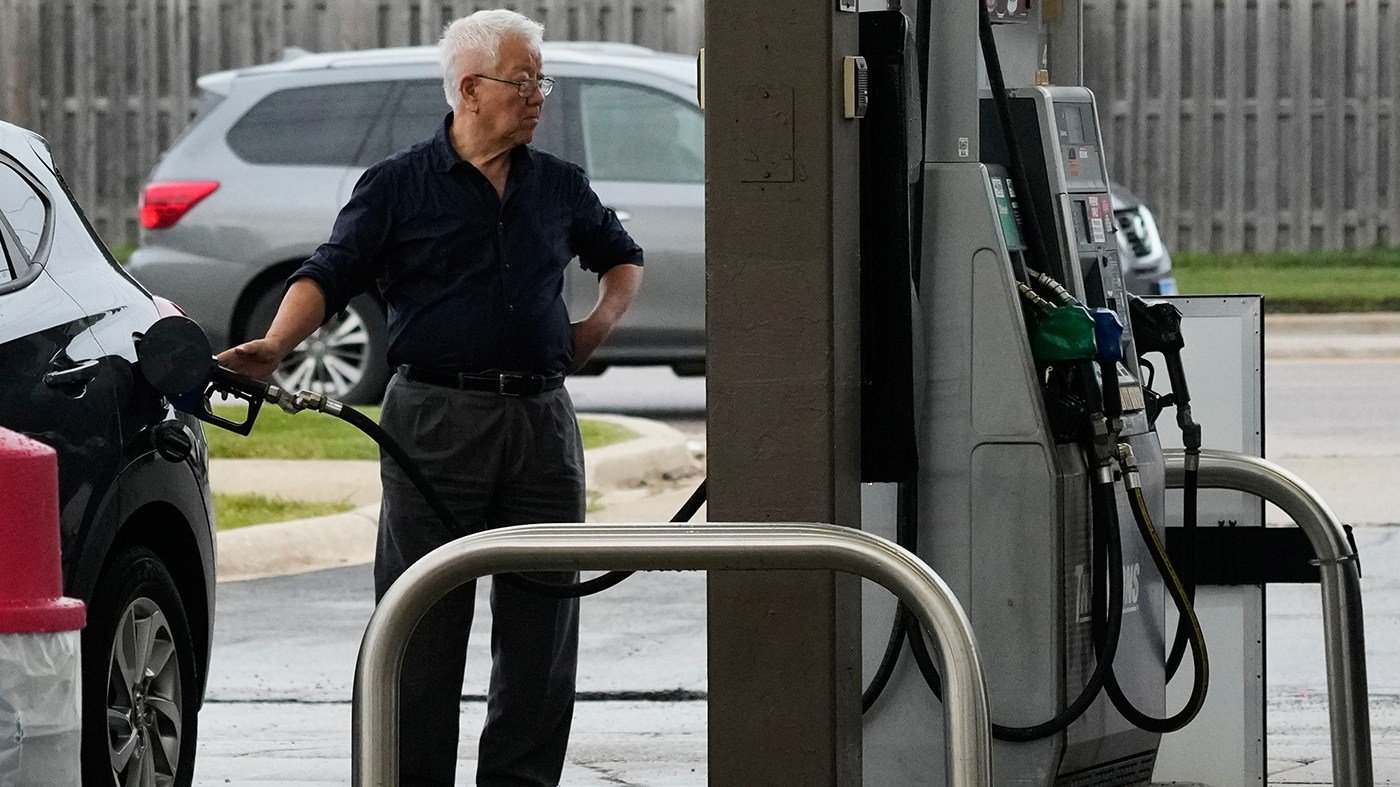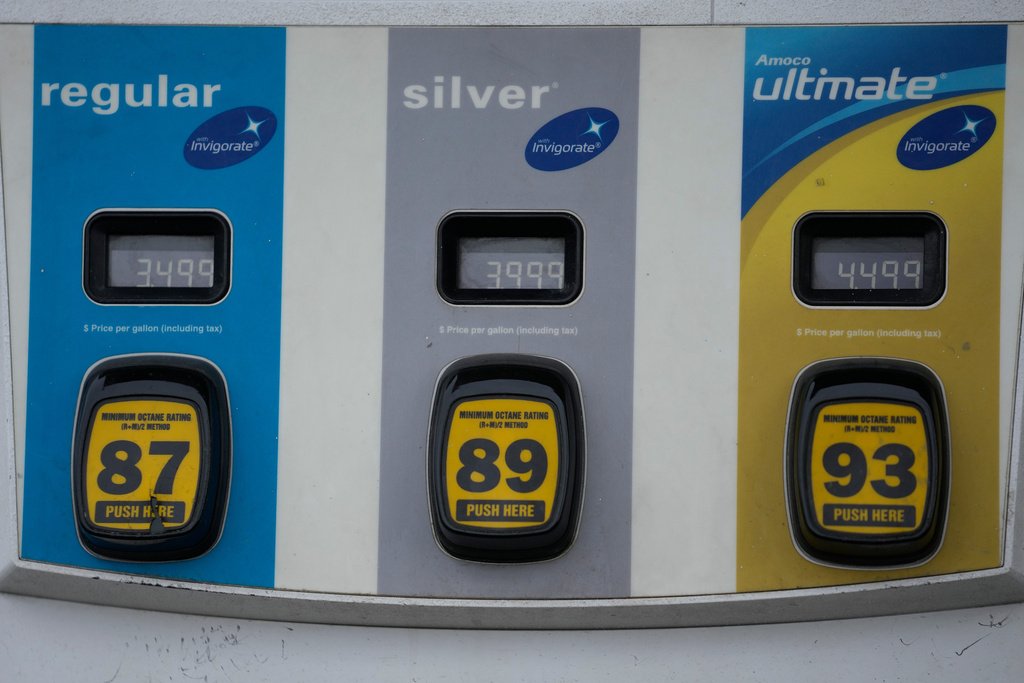
The ongoing U.S. and Israeli military campaign against Iran, initiated in late February, has triggered significant volatility in global energy markets, with consequences extending far beyond the Middle East. While the United States maintains energy independence through domestic oil and gas production, American consumers remain exposed to international price shocks, evident at gasoline pumps and in home heating bills nationwide.
Global Market Vulnerability Exposed
The conflict has highlighted the persistent global dependence on fossil fuels from geopolitically unstable regions. Iran's retaliatory measures, including restricting shipping through the critical Strait of Hormuz—a conduit for roughly one-fifth of the world's seaborne oil—have sharply curtailed exports. This disruption, compounded by attacks on energy infrastructure, has driven prices upward, demonstrating how regional conflicts can strain the global economy. The situation echoes the 1973-74 oil embargo, underscoring a decades-old vulnerability.
Russia has emerged as a primary financial beneficiary. Analysts estimate Moscow is accruing approximately $150 million daily from increased oil sales amid the price surge. This windfall is particularly contentious given the Trump administration's decision to temporarily relax certain sanctions on Russian oil exports, originally imposed after the 2022 invasion of Ukraine. The move, intended to prevent severe global shortages, has drawn criticism for effectively rewarding Moscow as it continues its war in Ukraine and, according to intelligence reports, provides support to Iranian military efforts.
Domestic Policy Reversals Under Scrutiny
Concurrently, the Trump administration has systematically rolled back clean energy policies established under President Biden. Officials have taken nearly 300 documented actions to dismantle these initiatives, including blocking renewable energy projects, eliminating electric vehicle purchase incentives, and weakening pollution controls for the oil and gas industry. This regulatory shift prioritizes expanded domestic fossil fuel production over transition strategies.
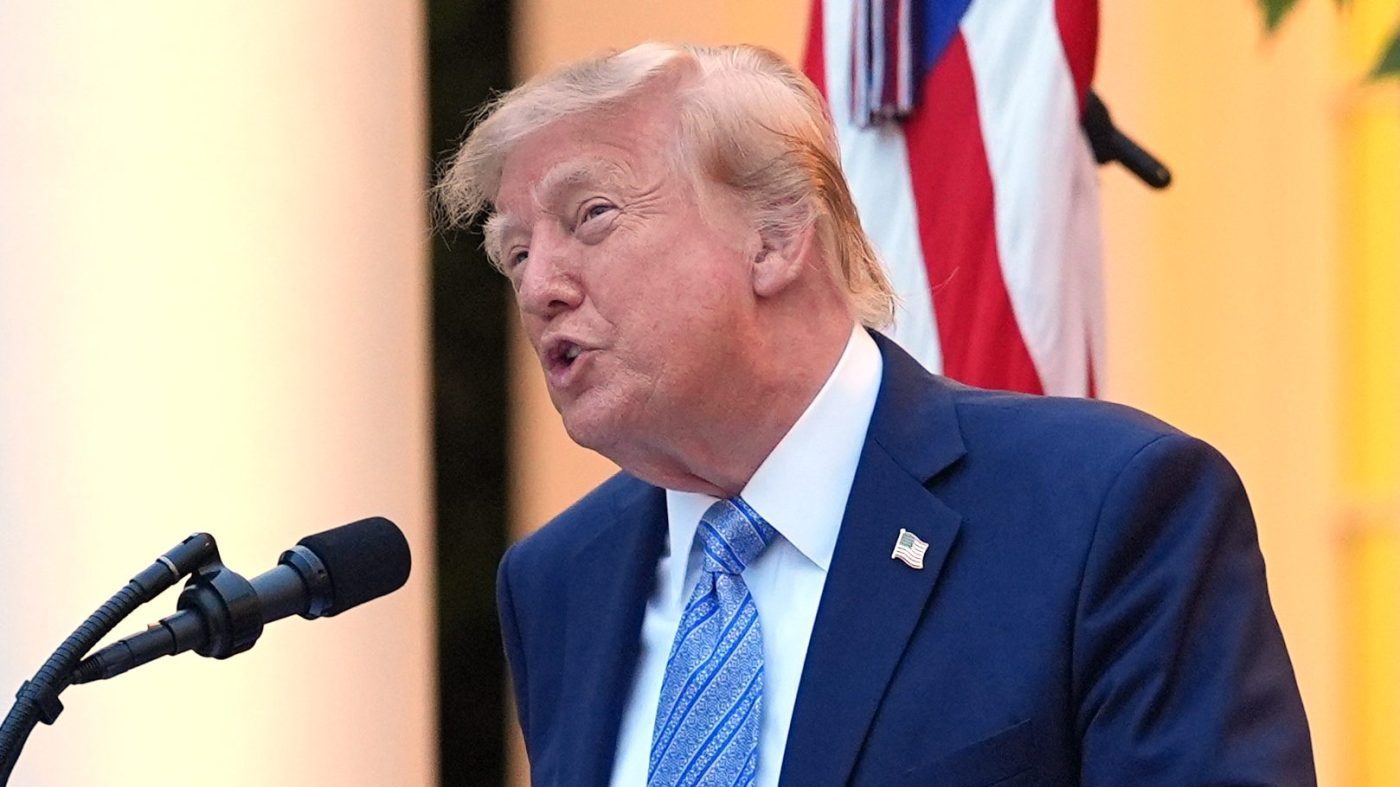
President Trump has publicly dismissed concerns over rising energy costs. In a social media post, he framed higher prices as a net benefit, stating, "The United States is the largest Oil Producer in the World, by far, so when oil prices go up, we make a lot of money." This perspective contrasts with households facing strained budgets and ignores the inflationary pressure of costlier fuel, transportation, and electricity. The administration's stance has fueled political debate, with critics accusing it of offering mixed signals on de-escalation while the economic fallout mounts.
Political and Strategic Repercussions
The convergence of conflict-driven price spikes and deliberate policy reversals has created a potent political issue. Democratic lawmakers, who championed the clean energy investments in the 2022 Inflation Reduction Act, argue the current approach strengthens adversaries like Russia and Iran while leaving the U.S. economy exposed. They contend that accelerating a shift toward electric vehicles and renewable sources like wind, solar, and nuclear power would enhance long-term energy security and public health.
Some analysts suggest a strategic path forward involves reducing domestic fossil fuel consumption to free up more supply for export, thereby decreasing allied nations' reliance on Russian and Middle Eastern energy. However, the immediate reality is defined by market turbulence and security risks. The State Department's global travel alert remains in effect, reflecting the ongoing regional instability.
As the conflict persists, the political divide over energy strategy deepens. The administration defends its support for hydrocarbon production as essential for economic strength and independence. Opponents counter that this approach, coupled with a volatile military confrontation, inadvertently bankrolls hostile regimes, sacrifices climate progress, and imposes a direct financial burden on American families—a contrast they intend to emphasize in the upcoming electoral cycle. Further complicating the diplomatic landscape, reports of potential backchannel negotiations have emerged even as military actions continue.