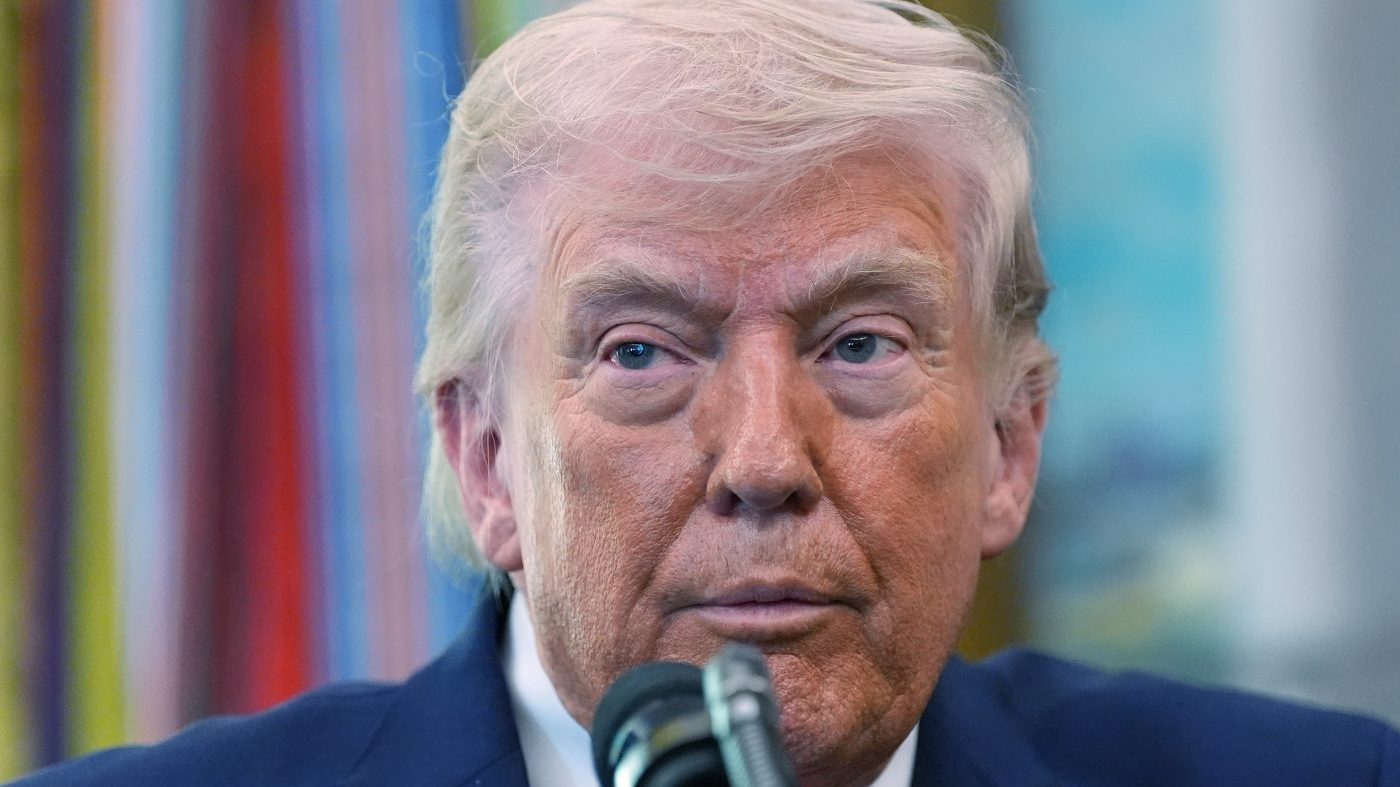
President Trump's public approval has dropped to its lowest level in recent polling, reaching just 36%, according to a new Reuters/Ipsos survey released this week. The poll, conducted from March 20-23, shows 62% of Americans disapprove of the president's job performance, marking a significant downturn from the 40% approval rating recorded only days earlier.
Military Action and Economic Anxiety Drive Decline
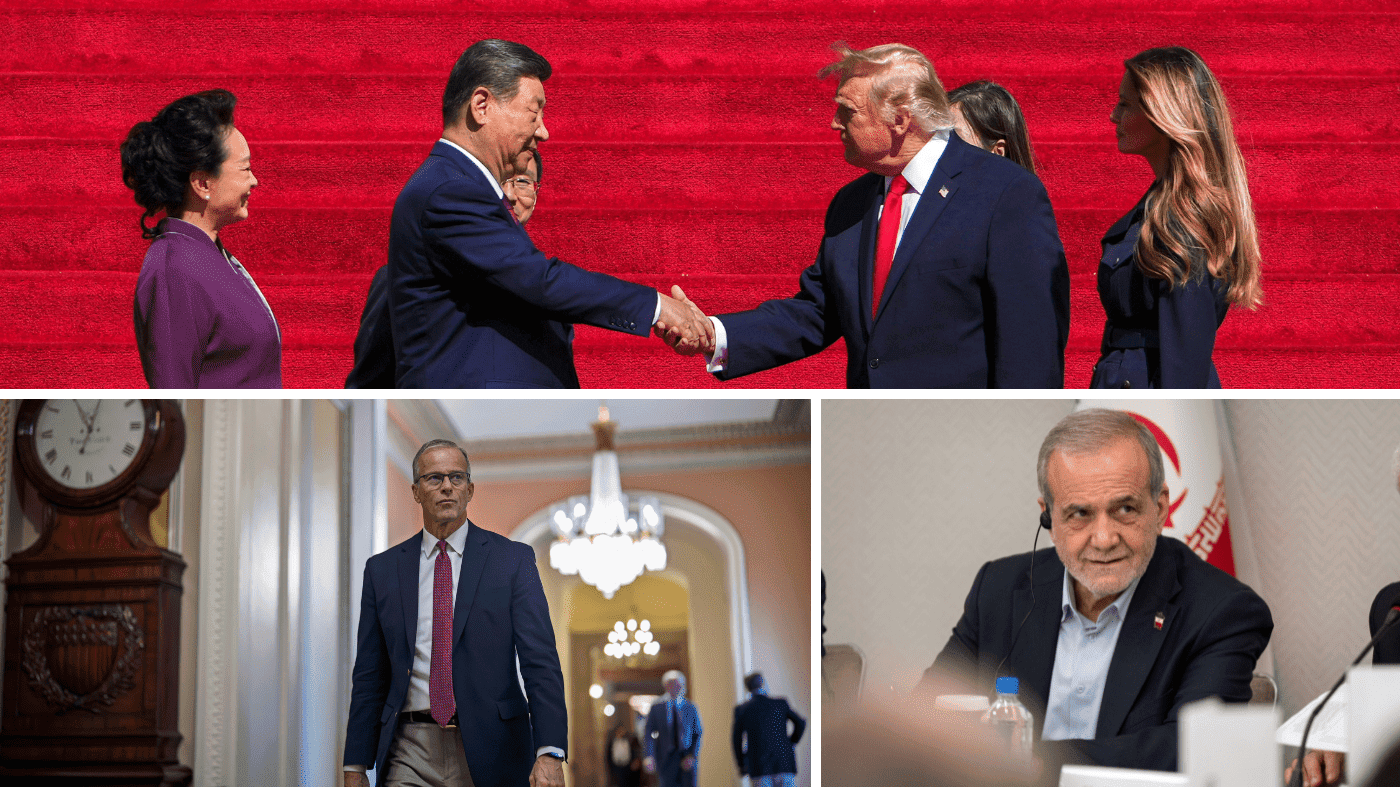
The sharp drop coincides with the administration's ongoing military operations against Iran and a corresponding spike in domestic energy prices. The president's decision to launch joint strikes with Israel at the end of February appears to have eroded his standing, particularly as he has declared victory in the conflict while the situation remains volatile.
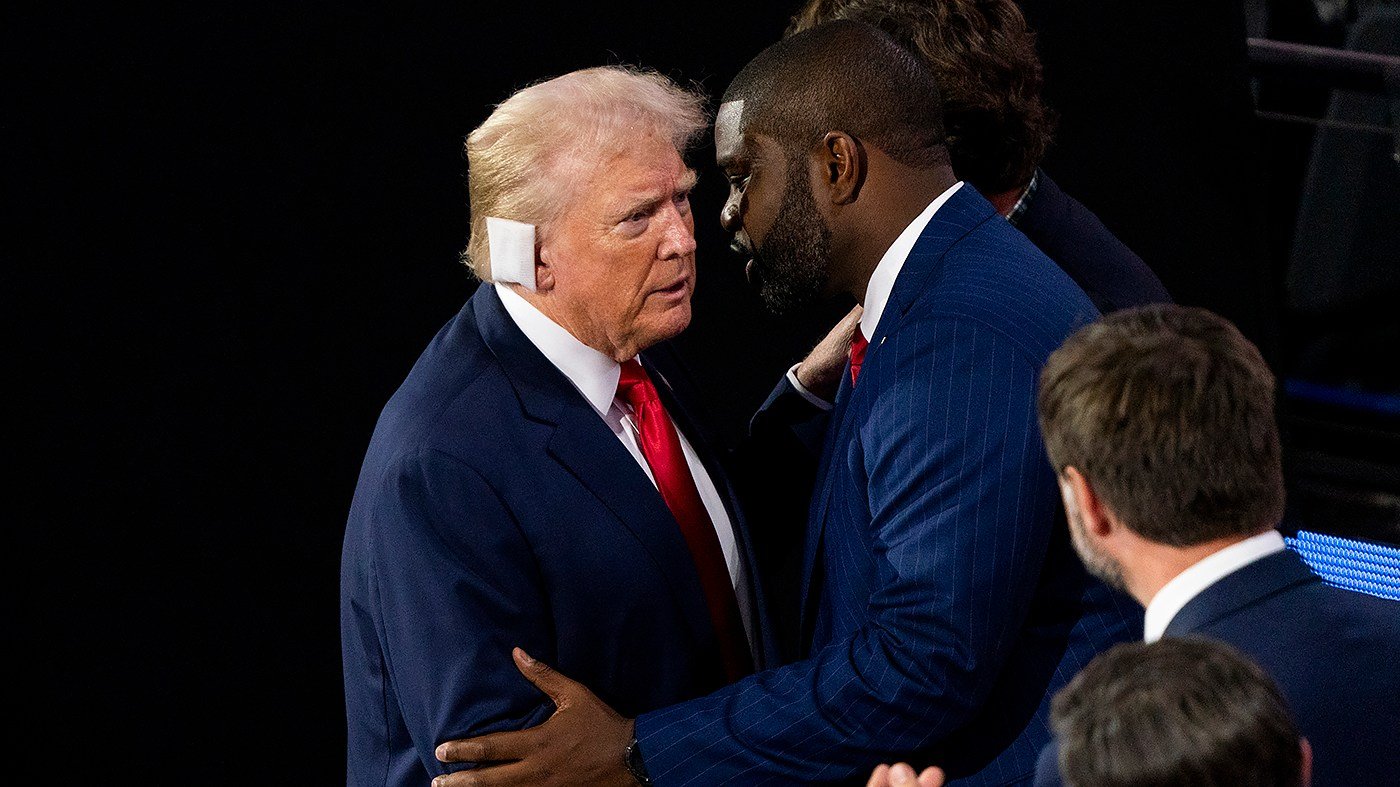
Iranian counterstrikes targeting energy infrastructure and U.S. bases in the Gulf have effectively blocked the Strait of Hormuz, a critical global oil chokepoint. This disruption has sent shockwaves through energy markets, with the average price for a gallon of regular gasoline in the United States surging past $3.97 this week—an increase of more than a dollar from just one month ago.
Administration Scrambles on Energy Policy
In response to the price surge, the Trump administration has deployed multiple strategies aimed at lowering costs for consumers. These measures include directing an increase in domestic oil production, authorizing releases from the U.S. Strategic Petroleum Reserve, and temporarily easing sanctions on some oil exports from Russia, Venezuela, and Iran. Despite these efforts, public confidence in the president's economic stewardship has cratered.
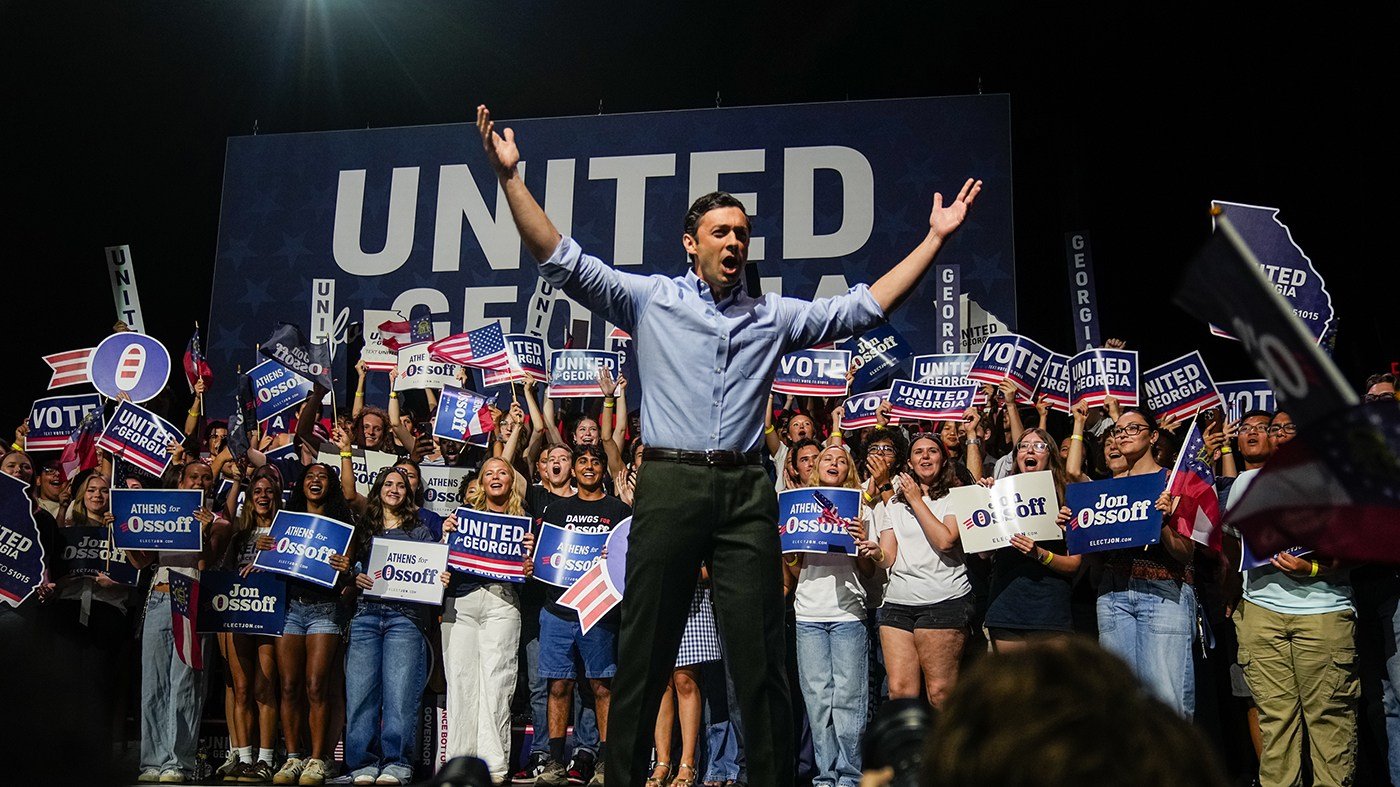
The same Reuters/Ipsos poll found that only 29% of Americans approve of Trump's handling of the economy, a six-point drop from the previous week. This economic discontent is unfolding as Democrats target key electoral districts ahead of the midterms, seeking to capitalize on voter frustration.
Broader Polling Trend Shows Vulnerability
The Reuters/Ipsos findings are not an isolated data point. An NBC News poll conducted during the initial phase of the U.S. military operations in the Middle East showed the president's approval rating falling by three percentage points. Throughout his second term, Trump's approval in Reuters/Ipsos polling has fluctuated between 33% and 43%, but the current reading suggests a consolidation of negative sentiment linked to foreign policy and its domestic consequences.
The political fallout extends beyond polling. The administration faces scrutiny over the timing and rationale of its Iran strategy, with allegations emerging about suspicious oil futures trades preceding key announcements. Furthermore, the president's claims regarding the conflict, including that Iran delivered a 'major present' related to Strait of Hormuz oil flow, have added to a contentious political atmosphere.
Mounting Political Pressure
As approval numbers slide, political opposition is intensifying. High-profile critics, including a former Border Patrol commander who issued a scathing attack on Trump's immigration leadership, are becoming more vocal. Meanwhile, Democratic leaders like Hakeem Jeffries have accused the president of 'king-like' hypocrisy on core democratic processes.
The Reuters/Ipsos survey interviewed 1,272 U.S. adults and carries a margin of error of approximately three percentage points. The results indicate that the dual pressures of an overseas military engagement and tangible economic pain at home are creating a formidable political challenge for the White House as it navigates the final years of the term.