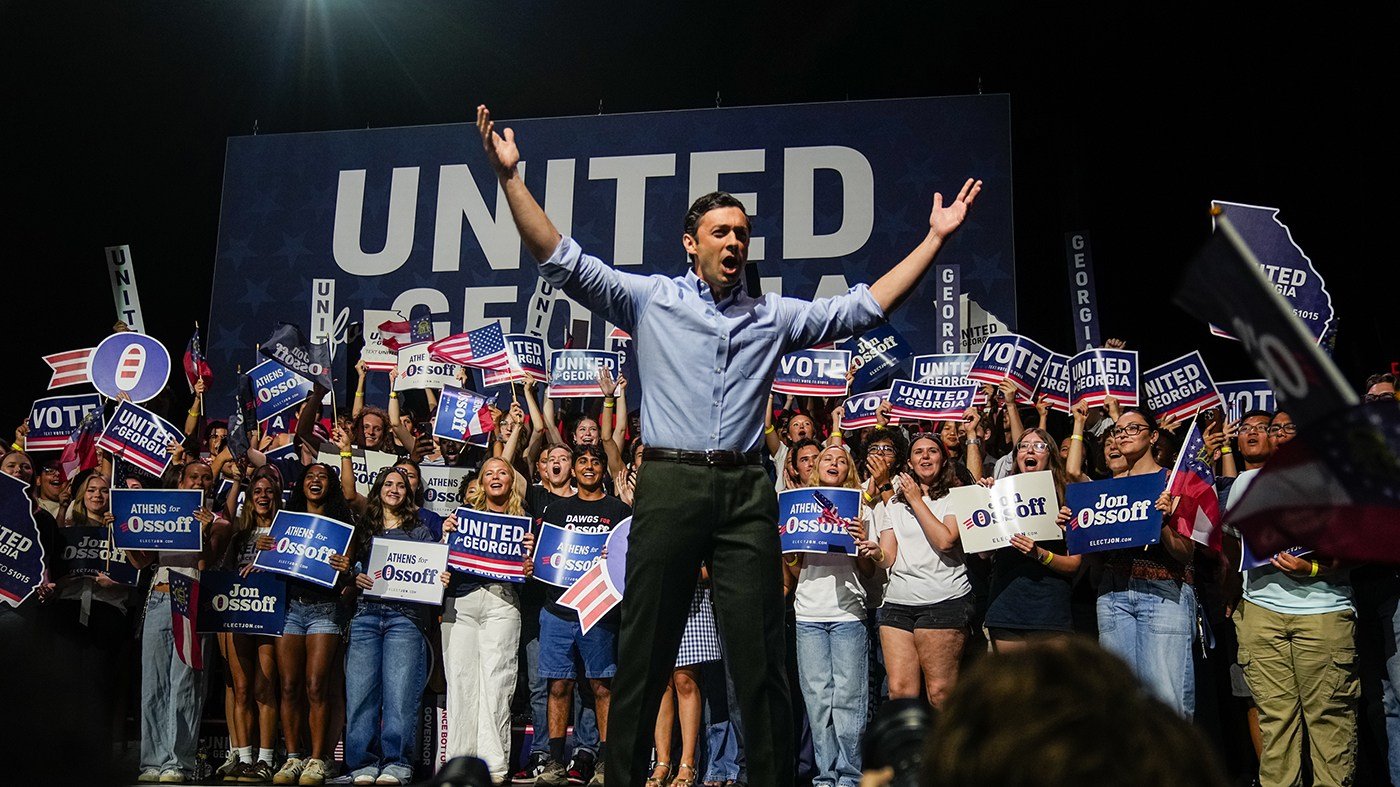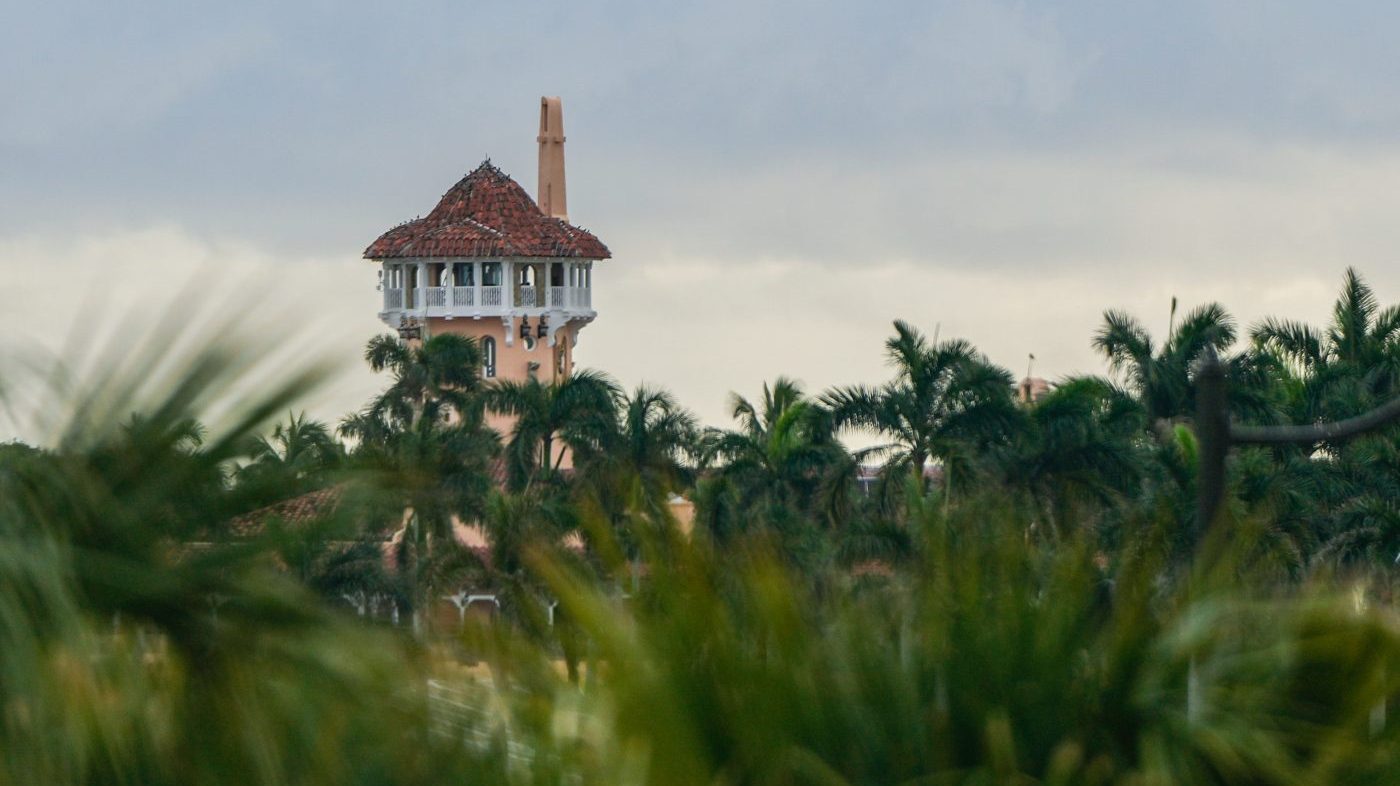
Voters in a Florida state House district encompassing former President Donald Trump's Mar-a-Lago resort are casting ballots Tuesday in a special election that Democrats hope will signal a shift in the state's political landscape. The outcome will determine whether Democratic small business owner Emily Gregory can overcome Republican Jon Maples, who carries Trump's endorsement, to claim a seat long held by the GOP.
A Strategic Battleground
The race for District 89, vacated in August by Republican Mike Caruso, represents a critical test for both parties. National Democratic groups, including the Democratic Legislative Campaign Committee, view the contest as a potential pickup opportunity as they seek to maintain a recent string of special election victories. A win here would chip away at the Republican supermajority that dominates both chambers of the Florida legislature.
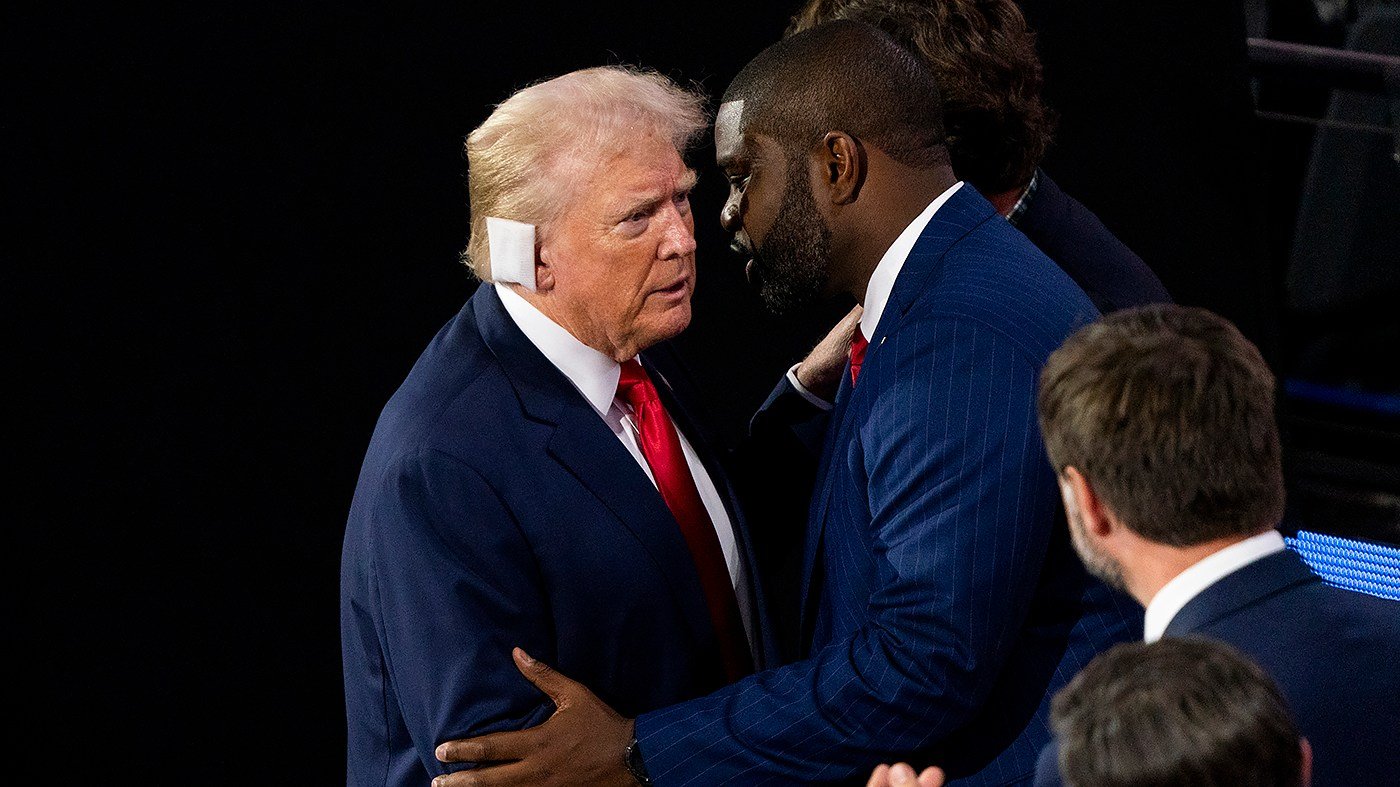
Republicans, however, are defending turf they successfully flipped in 2022. The Palm Beach-area district's political identity is deeply intertwined with the presence of Mar-a-Lago, making it a symbolic prize. The campaign has unfolded against a backdrop of intense national focus on election integrity and partisan strategy. Notably, Trump himself voted by mail in this election despite his frequent public denunciations of mail-in voting methods.
National Implications and Legal Context
Beyond local representation, the election is seen as a barometer for Democratic viability in Florida ahead of the 2024 presidential cycle. A Democratic victory would challenge the narrative of the state's irreversible red shift. The contest also touches on broader themes of election administration, coming as a new bipartisan legal coalition forms to counter efforts aimed at centralizing federal election control.
The race's dynamics are further complicated by ongoing debates over immigration enforcement, a topic that has sharply divided the parties. Some Republican figures have framed recent policy actions as precursors to election security measures, with Steve Bannon describing certain immigration enforcement deployments as a "test run" for the 2026 elections. Meanwhile, funding disputes over agencies like ICE continue to stall congressional appropriations, as Democrats recently rejected a GOP homeland security funding plan over related reform demands.
Emily Gregory, the Democratic nominee, has centered her campaign on local economic issues, healthcare access, and public education funding. Her opponent, Jon Maples, has aligned closely with Trump's agenda, emphasizing border security, tax policies, and cultural conservative priorities. The result will offer clues about which message resonates in a affluent, politically mixed coastal district.
This special election follows a national pattern of closely watched state legislative races that serve as proxy wars for larger national conflicts. The outcome could influence party strategy and resource allocation for the remainder of the election cycle. It also occurs as legal battles over redistricting continue in other states, such as in Missouri where the state Supreme Court recently upheld a GOP-led mid-decade redistricting plan in a narrow 4-3 ruling.
Polls closed at 7 p.m. local time. Election officials are now processing ballots, with results expected to trickle in through the evening. Regardless of the winner, the high-profile nature of this contest ensures it will be dissected for clues about the national mood, the enduring influence of Trump's endorsement in his own backyard, and the Democratic Party's capacity to compete in Florida's challenging political environment.