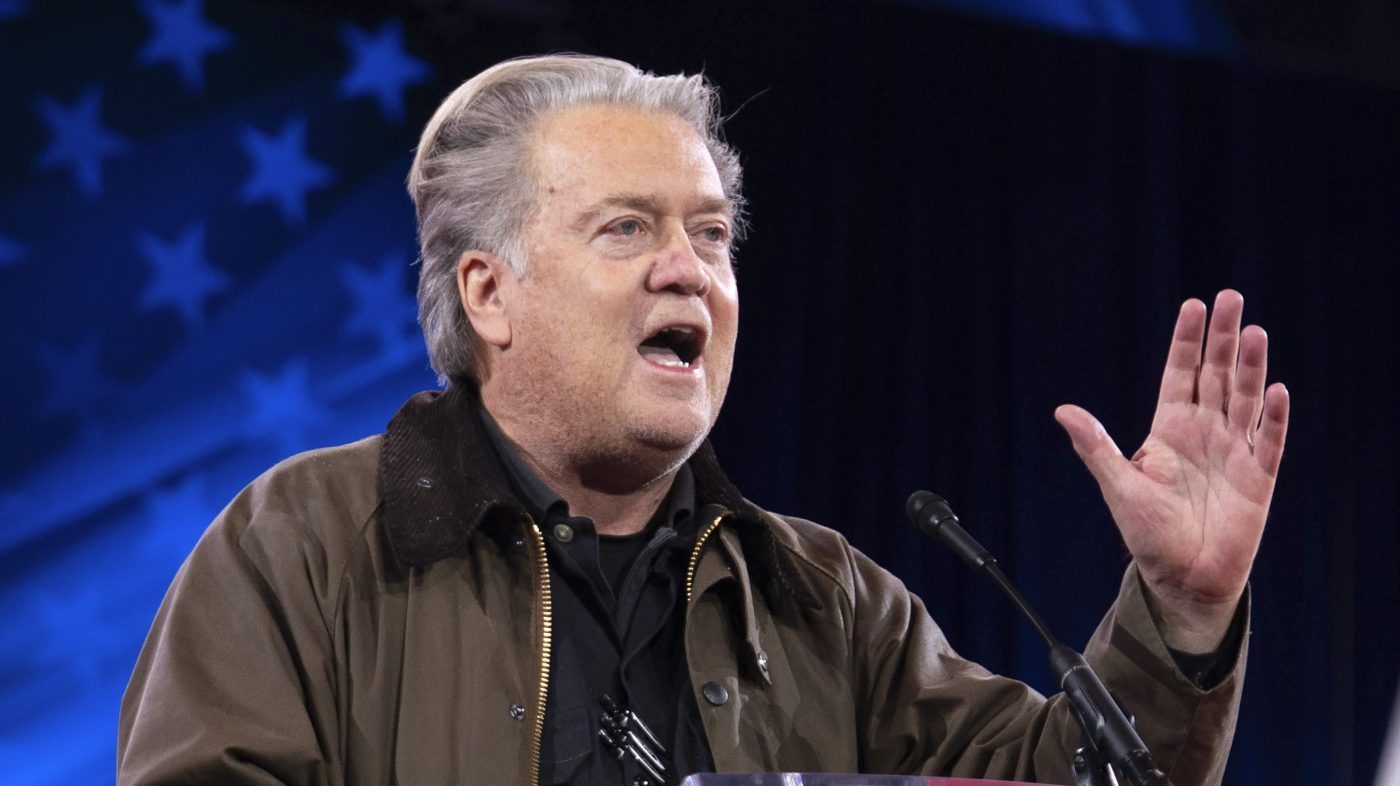
Steve Bannon, the former White House strategist and influential conservative podcaster, has characterized the current deployment of Immigration and Customs Enforcement officers to assist at airports as a preparatory exercise for a more politically charged role: securing polling places during the 2026 midterm elections. During a broadcast of his "War Room" program, Bannon framed the operational shift as strategic groundwork.
A Direct Link to Election Security
In a conversation with conservative attorney Mike Davis, Bannon explicitly connected the airport operations to future electoral strategy. "We can use what's happening with these ICE officers helping out at the airports as a test run, a test case to really perfect ICE's involvement in the 2026 midterm elections," Bannon proposed. Davis agreed, advocating for ICE agents at polling locations to prevent what he described as illegal voting by non-citizens, arguing that American citizens should welcome such a presence.
"Exactly," Bannon replied. "Pick 'em out of line starting today, and maybe the lines will get shorter." This exchange underscores a long-standing ambition among some Trump-aligned figures to position immigration enforcement agencies as central actors in election integrity efforts, a move critics argue could intimidate voters.
The Context of the Airport Deployment
The discussion follows the deployment of ICE and Homeland Security Investigations personnel to multiple major airports. The move, ordered by the White House, aims to alleviate severe travel disruptions caused by a partial government shutdown that has led to significant attrition and call-outs within the Transportation Security Administration workforce. Tom Homan, the White House border coordinator overseeing the operation, clarified that ICE officers are not conducting security screenings but are relieving TSA staff by managing entry and exit lanes.
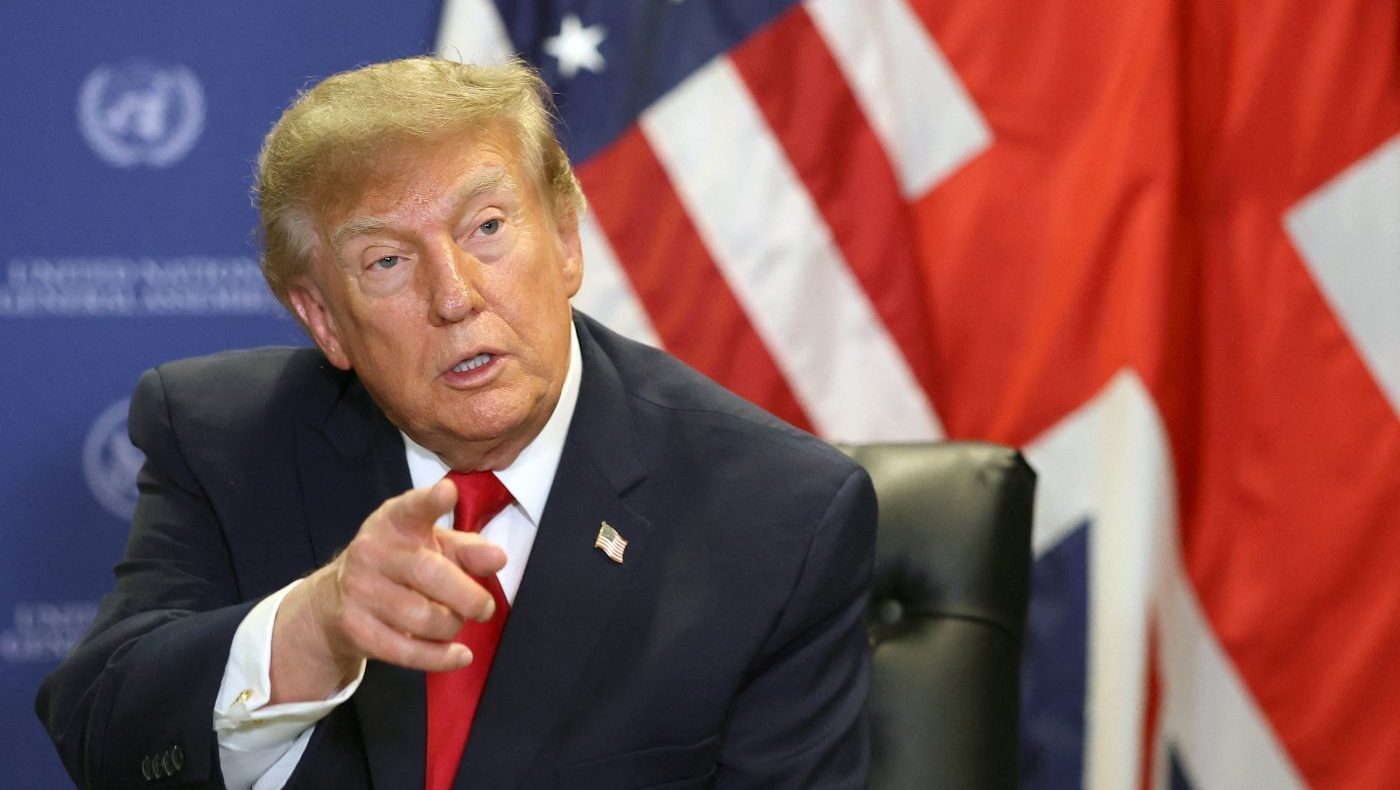
President Trump has claimed personal credit for the initiative, telling reporters the deployment was "my idea" and vowing that ICE would assist "for as long as it takes." This operational shift has already sparked intense partisan debate over the use of immigration authorities in domestic travel contexts.
Bannon's Vision for 2026
Expanding on his initial comments, Bannon later elaborated on his vision, describing the airport duty as ideal training. "They're trained to, wait for it, check IDs," he said of ICE officers. "That's why it's perfect training for the fall of 2026... This is another 5D chess move from President Trump." He predicted a direct carryover to elections: "ICE is going to be there in the fall of '26, just like they're in the airports today."
This rhetoric aligns Bannon with a faction that continues to promote the baseless claim that U.S. elections are systematically compromised by illegal voting, a narrative used to justify increased security measures at polls. His comments signal an intent to institutionalize a controversial role for ICE far beyond its standard law enforcement purview.
Broader Political Implications
The proposal to deploy ICE at polling places is legally and logistically fraught, likely facing immediate court challenges. It represents a significant escalation in the political weaponization of federal agencies and reflects a deepening focus on election procedures as a central front in partisan conflict. As the 2026 elections approach, such statements from key Trump-world figures are likely to fuel further legislative battles over voter ID laws and election administration.
This development occurs alongside other political maneuvers, such as the formation of new political action committees by former officials opposing Trump, highlighting the polarized landscape defining the run-up to the next electoral cycle. Bannon's explicit framing of a current administrative action as a dry run for future election security sets a provocative precedent for the intersection of immigration policy and voting rights.