President Donald Trump declared Sunday that Immigration and Customs Enforcement personnel will be deployed to assist at U.S. airports for an indefinite duration, a direct response to lengthening passenger wait times caused by the ongoing partial government shutdown. The announcement came as the White House seeks to manage operational pressures while maintaining a hardline stance in budget negotiations.
Shutdown Strategy and Security Role
Earlier on Sunday, former White House border advisor Tom Homan clarified that ICE agents would provide support functions at transportation hubs but would not conduct primary security screening, a task that remains with the Transportation Security Administration. The move represents an administrative reshuffling of personnel within the Department of Homeland Security, which has been without full appropriations since February 14.
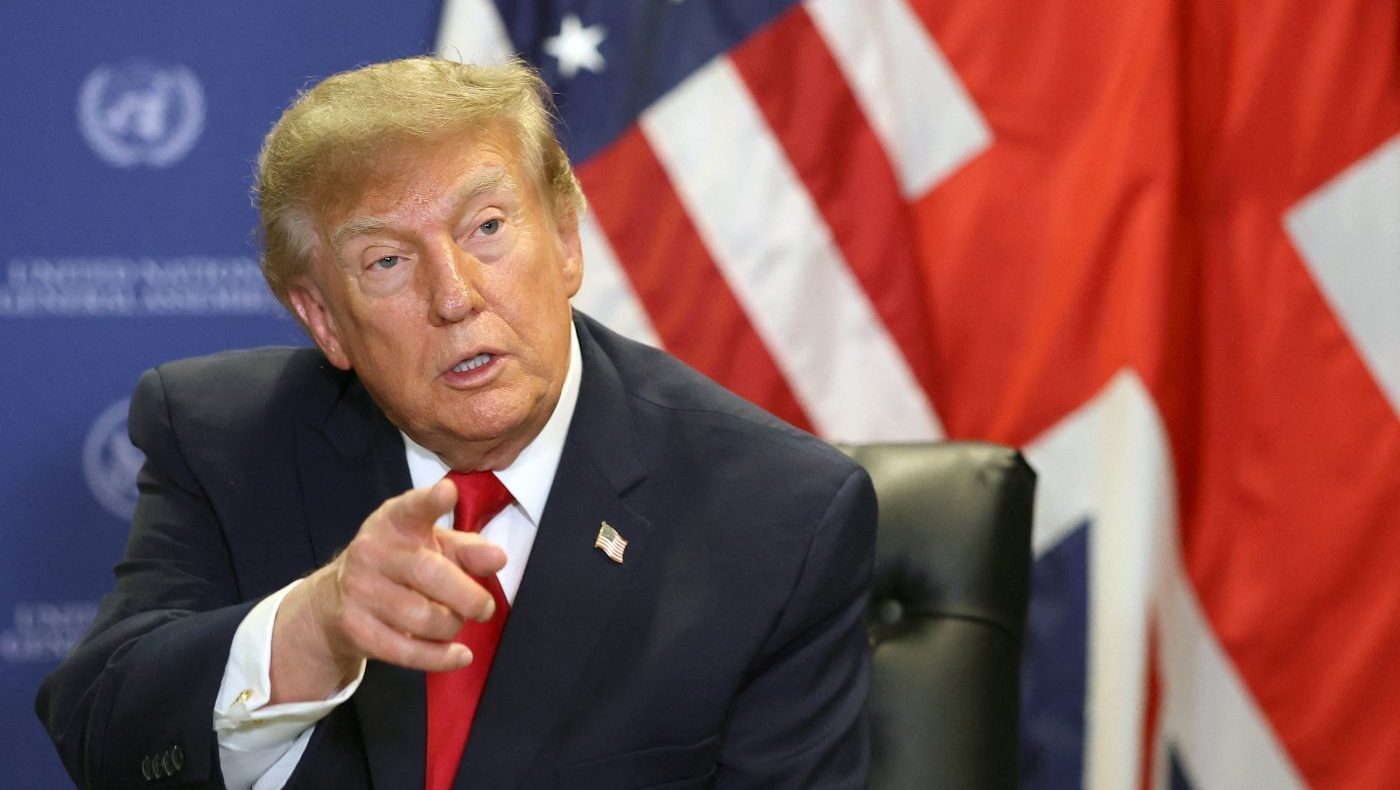
In a phone interview with NewsNation, Trump directly connected this operational decision to the stalled legislative process. "Now that I did this, the Democrats want to make a deal," the President stated, referring to the ICE deployment. "And I don't think any deal should be made on this until they approve SAVE America." This linkage injects a major election policy demand into the already fraught shutdown negotiations.
SAVE Act as Funding Prerequisite
The Safeguard American Voter Eligibility (SAVE) Act, championed by Trump and a faction of House Republicans, would mandate proof of citizenship for voter registration and severely restrict mail-in balloting. The President has pressured Senate Republicans to prioritize this bill, with some allies vowing to block all other legislation until it passes. This stance effectively holds funding for the Department of Homeland Security hostage to electoral changes, a strategy reminiscent of how the administration has leveraged other crises to advance its policy goals, such as when Trump extended an Iran ultimatum to create diplomatic pressure.
Senate Democrats have uniformly rejected DHS funding proposals that lack significant immigration enforcement reforms, including demands for judicial warrants and body cameras during ICE operations. The impasse has grown more acute following the recent dismissal of DHS Secretary Kristi Noem, whom Trump removed from the Cabinet earlier this month after bipartisan criticism of her handling of investigations into immigration authorities. Her nominated replacement, Senator Markwayne Mullin of Oklahoma, could face a confirmation vote as soon as Monday.
Broader Political Confrontation
The White House did not respond to inquiries about whether the President would explicitly veto a potential funding package that reaches his desk without the SAVE Act. This legislative brinksmanship occurs against a backdrop of intense partisan conflict over immigration and election integrity. The tactic of tying unrelated, sweeping policy demands to essential government funding reflects a broader pattern in Trump's governance, where domestic political maneuvers are often conducted with the same high-stakes rhetoric as foreign policy, such as the administration's signals of potential de-escalation during the Strait of Hormuz crisis.
Democratic leaders have amplified calls for strict oversight of ICE, linking the demand to the recent deaths of two U.S. citizens following encounters with federal authorities. They argue that the agency's expansion into airport operations during the shutdown, without the requested reforms, exacerbates accountability concerns.
The deployment of ICE agents represents a tangible, public-facing consequence of the shutdown, directly affecting traveler experience. By framing this action as a necessary response to Democratic intransigence, Trump aims to shift political blame while advancing a core legislative priority. The standoff underscores how funding disputes have become intertwined with the administration's most controversial policy initiatives, a convergence that shows no sign of abating. This complex negotiation, involving homeland security, electoral law, and immigration enforcement, demonstrates the multifaceted nature of political conflict in the current era, where domestic policy fights can be as strategically charged as international confrontations over issues like Iran and global oil markets.