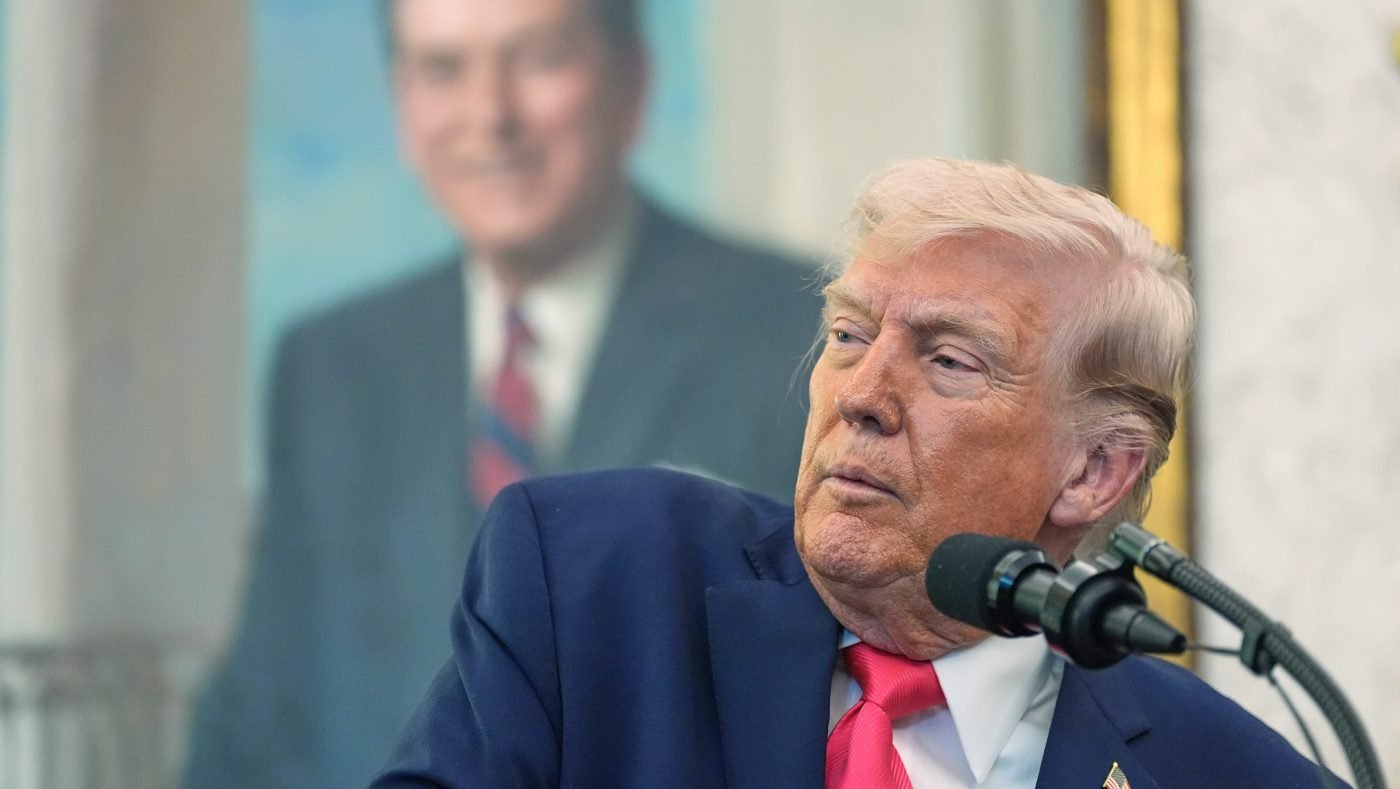
President Donald Trump declared Tuesday that the Iranian government has provided the United States with what he termed a "very big present" concerning global oil and gas supplies, a development he linked directly to the strategic Strait of Hormuz. The announcement came as diplomatic efforts toward a potential ceasefire between the two nations continue.
"They gave us a present and the present arrived today," Trump said. "It was a very big present worth a tremendous amount of money." He clarified that the unspecified concession was not related to nuclear issues but was "oil and gas-related," describing it as "very significant." When pressed on whether it involved the critical maritime chokepoint, the President confirmed, "It was related to the flow and the strait."
Strategic Waterway at the Center of Global Energy
The Strait of Hormuz is arguably the world's most important oil transit corridor, with approximately one-fifth of global daily oil consumption passing through its narrow confines. The waterway has been effectively blockaded since the onset of hostilities, causing a sharp spike in global oil prices and market volatility. Any change to the flow of hydrocarbons through the strait carries immediate implications for the world economy.
The White House did not immediately provide clarification on the nature of this Iranian "present," leaving allies and market analysts to speculate. The ambiguity follows a pattern of the administration's foreign policy approach, which has often blended economic pressure with unconventional diplomatic gestures. This development coincides with reports that the administration is shifting its strategy from regime change to direct deal-making with Iran, as noted in recent analysis.
Energy as a Central Pillar of Trump's Agenda
Trump has consistently positioned energy dominance as a cornerstone of his national security and economic policy. His administration has aggressively sought to control global energy levers, including exerting significant pressure on Venezuela's state oil company to divert crude shipments to the United States. He has previously touted such maneuvers as benefiting both American consumers and the people of the nations involved.
The President's statement also follows a weekend of escalated rhetoric, during which he threatened Iranian power infrastructure, only to suspend that threat on Monday citing productive negotiations. This oscillation between pressure and diplomacy has drawn criticism from international partners, including the German president, who has condemned the administration's approach to the Iran conflict as illegal and warned of a lasting transatlantic rift.
Broader Political and Security Context
The administration's focus on Iran unfolds against a contentious domestic backdrop. The President continues to face significant political opposition, including from House Democratic Leader Hakeem Jeffries, who has recently accused Trump of "king-like" hypocrisy. Furthermore, a bipartisan legal coalition has formed to counter the administration's push for greater federal control over election procedures, signaling deep institutional resistance to aspects of the President's agenda.
On the security front, the administration has taken other controversial steps, such as deploying Immigration and Customs Enforcement agents to airports during a Transportation Security Administration staffing crisis. Meanwhile, the appointment of former Joint Chiefs Chairman Charles Q. Brown Jr. to a Trump-linked defense drone firm highlights the continuing intersection of military, corporate, and political interests.
As details of the Iranian "present" remain undisclosed, the announcement underscores the administration's use of energy commodities as both economic tools and diplomatic bargaining chips. The development will likely be scrutinized by Congress, allies, and global markets, all seeking clarity on what concessions, if any, have been secured regarding the vital sea lane whose stability is crucial to the global economy.