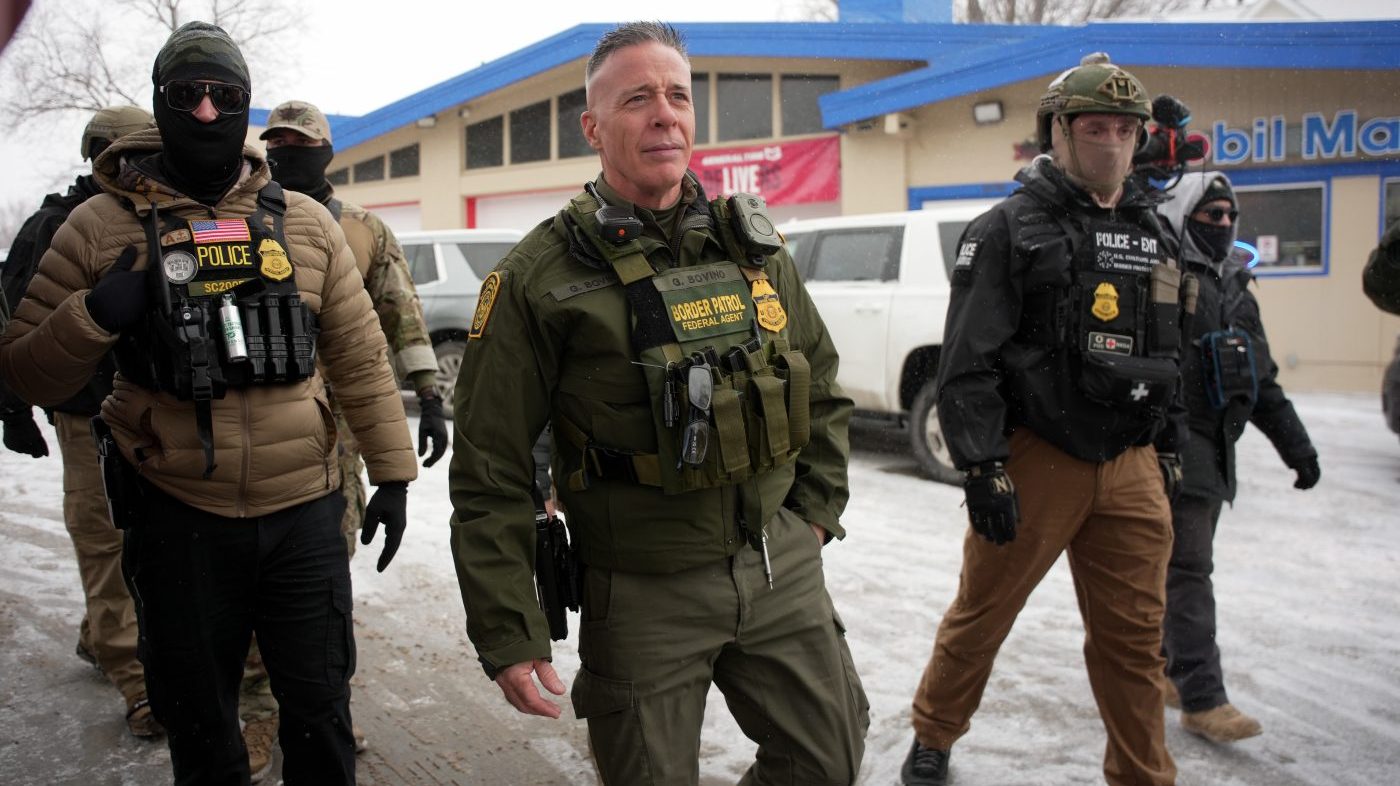
Greg Bovino, a recently retired immigration official from the Trump administration, delivered a blistering critique of his former superiors as he exited the Border Patrol this week, specifically targeting former border czar Tom Homan and other officials for what he characterized as systemic inaction.
Bovino previously served as commander-at-large for the Border Patrol, overseeing high-profile immigration enforcement operations in Los Angeles and Minneapolis. His tenure was marked by controversy, culminating in his demotion following the deaths of two Minnesota residents during operations under his command.
Pointed Criticism and Controversial Legacy
In a statement to NewsNation, Bovino pointed to the recent killing of Loyola University student Sheridan Gorman—a case in which the Department of Homeland Security confirmed the suspect entered the country illegally—as evidence of leadership failure. "The Gorman family is burying their daughter this week, and liberal CBP commissioner Rodney Scott and capitulator Tommy Homan say and do nothing, which is how we got in this mess in the first place," Bovino stated.
He praised rank-and-file agents as "the very best and the most hardcore," claiming they would accomplish any mission, but suggested leadership failures allowed tragedies to occur. His comments reflect ongoing tensions within immigration enforcement agencies that have persisted since the Trump administration's controversial homeland security appointments.
Aggressive Tactics and Legal Challenges
Bovino's leadership style frequently tested legal boundaries, resulting in multiple court reprimands. Under his command, agents deployed pepper spray against protesters and used "less lethal" weapons that reportedly left one protester blinded in one eye. His approach exemplified the aggressive immigration enforcement policies that sparked nationwide protests against Trump administration policies.
In an interview with The New York Times, Bovino expressed regret only for not apprehending more migrants. "I wish I'd caught even more illegal aliens," he told the outlet. "We went as hard as we could, but there's always a creative and innovative solution to catching even more." He further described CBP Commissioner Rodney Scott as "weak-kneed," echoing criticism he has leveled against multiple officials.
Recorded Remarks Reveal Confrontational Approach
Recordings from Bovino's pep talks to officials reveal a confrontational philosophy toward enforcement. In one address to California officials, he stated: "Just as many people that touch you as you want to. Those are the general orders all the way to the top. Everybody gets it if they touch you." He discussed shipping "tractor-trailer loads" of less-lethal weapons before adding, "It's all about us now. It ain't about them."
According to The Times, Bovino referred to undocumented immigrants as "filth" and "trash" during a speech to agents in New Orleans. These remarks contributed to the controversy surrounding his leadership and the administration's enforcement tactics, which have faced numerous legal challenges similar to those confronting other Trump administration initiatives.
Broader Context of Immigration Policy Debates
Bovino's criticism emerges amid ongoing debates about immigration enforcement strategies and accountability. Former CBP Commissioner Rodney Scott previously echoed concerns about protest interference, telling the House Homeland Security Committee in February that "paid agitators are actively trying to stop law enforcement action"—a claim made without presenting evidence.
The Department of Homeland Security and U.S. Customs and Border Protection declined to comment on Bovino's statements. His retirement and subsequent criticism highlight persistent divisions within immigration enforcement agencies regarding appropriate tactics and leadership approaches, reflecting broader political conflicts that continue to shape U.S. border policy.