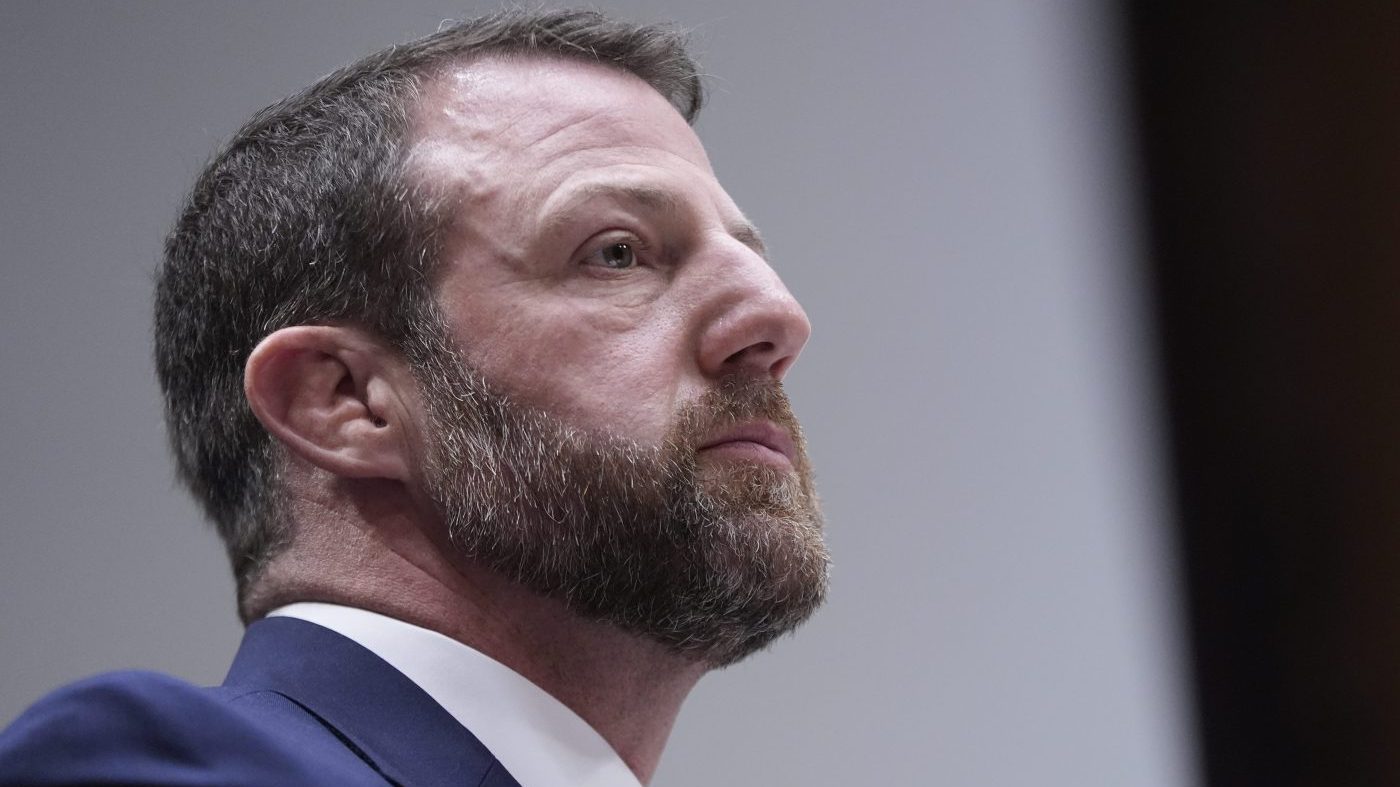
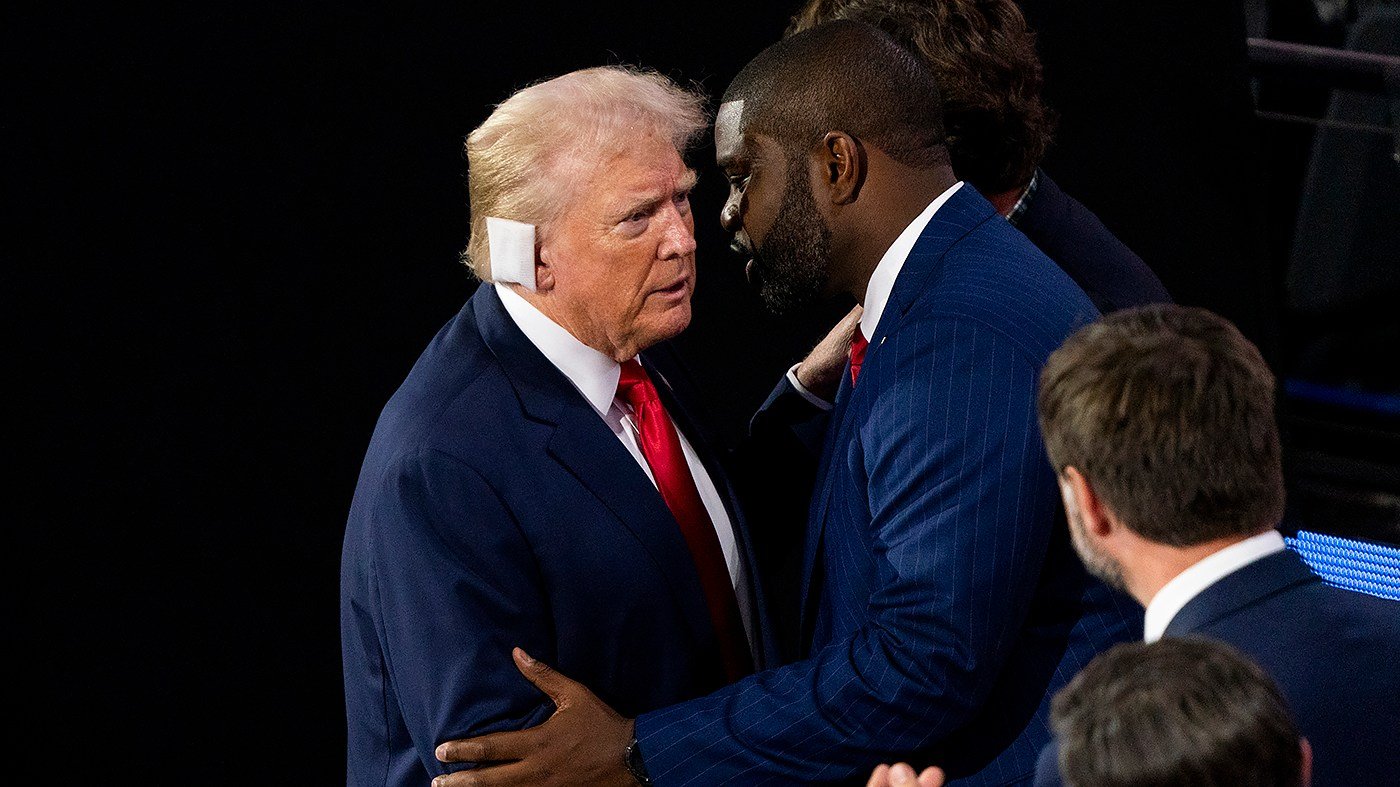
President Donald Trump will administer the oath of office to Senator Markwayne Mullin of Oklahoma this afternoon, formally installing him as the nation's new Secretary of Homeland Security. The ceremony follows Monday's Senate confirmation vote, which concluded a contentious nomination process for the critical cabinet position.
A Controversial Transition at DHS
Mullin replaces former Secretary Kristi Noem, who resigned last month following sustained criticism over the department's aggressive immigration enforcement tactics. Noem's tenure was marked by escalating political battles over border security, culminating in a partial government shutdown after Democrats demanded reforms following the fatal shootings of two U.S. citizens by federal immigration authorities in Minneapolis earlier this year. The incident intensified scrutiny of DHS operations and placed the department at the center of Washington's immigration policy wars.
The Oklahoma Republican faced significant opposition during his confirmation hearings, where Democratic senators questioned his preparedness for the role and his alignment with what they characterized as the administration's hardline immigration agenda. Despite this frosty reception from some colleagues, Mullin's nomination ultimately advanced through the Republican-controlled chamber, reflecting the administration's determination to maintain its policy direction at DHS.
Political Repercussions in Oklahoma
Mullin's move to the cabinet triggers immediate political consequences in his home state. Oklahoma Governor Kevin Stitt, a fellow Republican, moved swiftly to appoint energy executive Alan Armstrong to fill the vacant Senate seat. By law, Armstrong will serve as a caretaker and is barred from running for the position in November's election, setting up what promises to be a competitive special election cycle for the seat.
The leadership change at Homeland Security occurs against a backdrop of significant legal and political challenges. The Supreme Court is currently examining the administration's border asylum policies, a core DHS responsibility that will now fall under Mullin's purview. Meanwhile, the administration continues to navigate contentious funding battles that recently threatened another government shutdown over immigration enforcement money.
Broader Administration Context
Mullin's swearing-in represents another high-profile personnel shift in an administration that has seen considerable turnover in national security positions. His appointment signals continuity in the administration's approach to immigration enforcement, even as it faces mounting domestic and international pressure. The ceremony comes as the White House contends with ongoing public protests targeting its immigration and foreign policies, including recent large-scale demonstrations organized under the "No Kings" banner.
Internationally, the administration's security posture remains complex, with reported shifts in strategy toward Iran and other geopolitical hotspots. Mullin will inherit a department with broad responsibilities spanning border security, cybersecurity, disaster response, and counterterrorism at a moment when each of these areas faces significant tests.
The swearing-in ceremony is scheduled to begin at 1:30 p.m. Eastern Time from the White House. The event will be broadcast live as the administration marks another chapter in its homeland security leadership, with Mullin taking the helm of a department that remains at the forefront of the nation's most polarized policy debates.