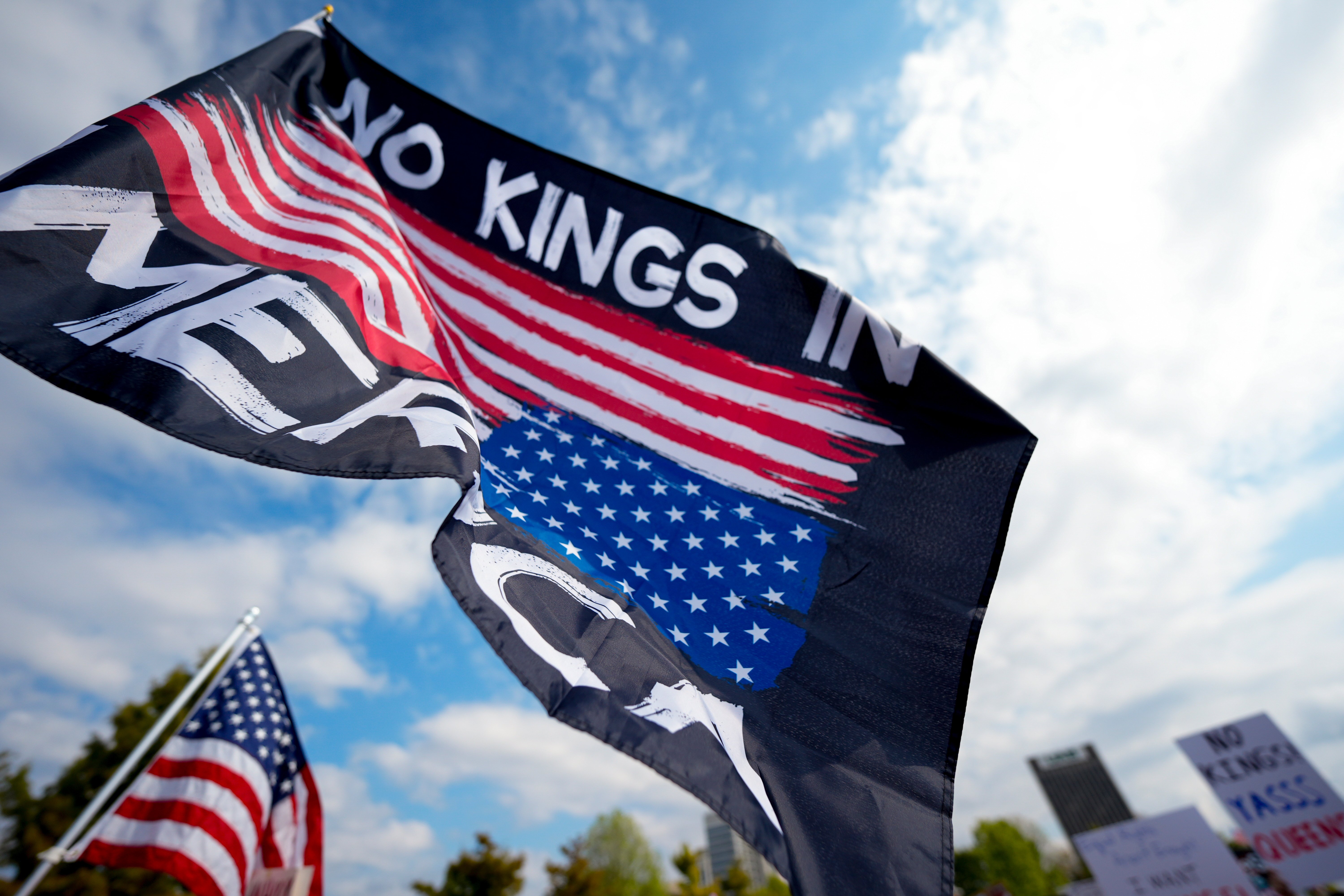
Organizers are preparing for a massive wave of political demonstrations this Saturday, March 28, as the "No Kings" protest movement reconvenes across the United States. The rallies, which drew millions of participants in previous iterations, are set to unfold against a tense political climate defined by aggressive immigration enforcement and escalating military tensions with Iran.
National Scale and Key Events
More than 3,000 events are scheduled from coast to coast, with major marches planned in New York, Los Angeles, and Chicago. The flagship gathering will occur in the Twin Cities of Minnesota, a focal point for the administration's immigration crackdown. In Washington, D.C., an estimated 4,000 protesters are expected to march from the Lincoln Memorial to the Washington Monument in what organizers describe as a defense of democracy, the rule of law, and environmental protection.
Ezra Levin, co-executive director of the activist group Indivisible, has predicted the demonstrations could become the largest in American history. "We are all united in this fight to save our democracy from this administration, and we will win. From every corner of this country, we are all saying: NO KINGS," Levin stated. The movement previously mobilized over five million people in June and seven million across nearly 3,000 events last October.
Catalysts and Participants
Plans for this third major round of protests have been in development for months, announced in January shortly after the fatal shootings of two U.S. citizens, Renee Good and Alex Pretti, by federal officers during immigration operations in Minneapolis. The incident has fueled criticism of what some call heavy-handed enforcement tactics by Immigration and Customs Enforcement (ICE).
The St. Paul rally will feature high-profile participants, including Senator Bernie Sanders (I-Vt.), Minnesota Lt. Gov. Peggy Flanagan (D), and state Attorney General Keith Ellison (D). Musician Bruce Springsteen, a vocal critic of the president, is scheduled to perform his protest song "Streets of Minneapolis," which critiques ICE's methods and topped sales charts in January. Actress Jane Fonda and other artists are also expected to attend.
Broader Political Context
While immigration is a primary focus, the protests also coincide with growing public anxiety over the potential for a broader military conflict with Iran. Recent polling shows widespread opposition to a full-scale invasion, even as President Trump's approval ratings have held steady following joint U.S.-Israeli strikes in late February. This public sentiment exists alongside reported strategic shifts within the administration regarding its approach to Tehran.
The political response to the demonstrations is anticipated to be sharply partisan. Last year, Republican leaders like House Speaker Mike Johnson (R-La.) condemned the protests as "hate America" rallies, and GOP governors warned of swift law enforcement action against any violence. The administration's reaction this weekend remains a point of scrutiny, particularly as it continues to face legal and operational challenges, including judicial rebukes over Department of Justice management.
The "No Kings" movement represents a sustained, organized opposition to the Trump presidency, channeling discontent over specific policies into a broader critique of executive power. Its ability to mobilize millions highlights a deep vein of political activism as the nation moves closer to the next election cycle.