A senior Transportation Security Administration union official has sharply criticized the Trump administration's decision to deploy Immigration and Customs Enforcement officers to major U.S. airports, calling the move a political distraction that fails to address the core crisis: hundreds of TSA officers working without pay during an ongoing Department of Homeland Security shutdown.
Angela Grana, a TSA officer and union leader from Colorado, told Fox News that the presence of ICE personnel at security checkpoints does not solve the fundamental problems causing massive security line delays nationwide. "It's just a distraction, they're not a solution," Grana said. "The real solution is for Congress to get together and decide to get us paid. That's an incentive to keep us at work, is to get us paid."
Shutdown Exodus Cripples Airport Security
The DHS funding lapse, which began on February 14, has triggered a staffing crisis within the TSA. More than 400 officers have resigned since the shutdown started, while unscheduled absences have spiked significantly. This attrition has directly caused extensive security checkpoint delays at airports across the country. At Houston's George Bush Intercontinental Airport, for example, passengers face estimated wait times of up to four hours at the only two open checkpoints.
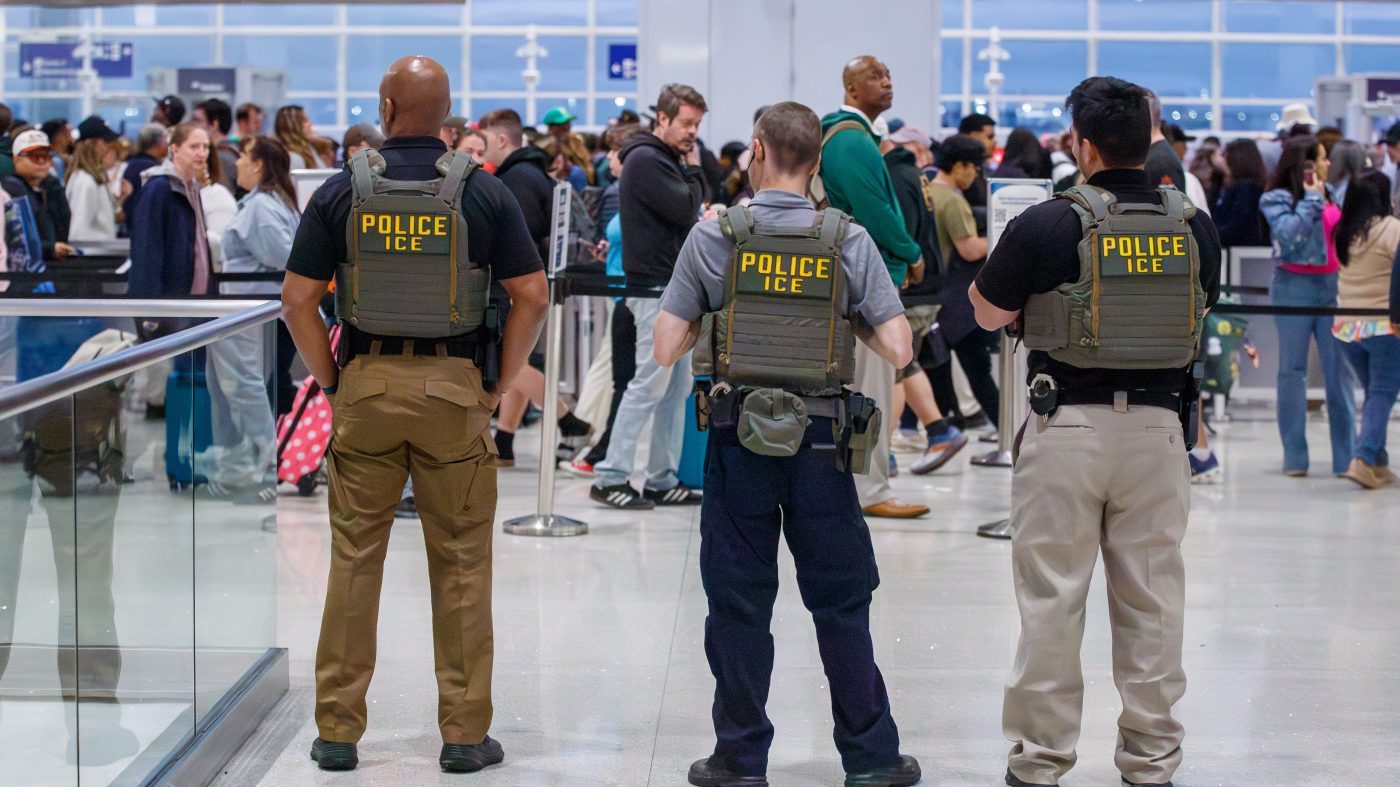
In response to the growing security gridlock, the White House has ordered the deployment of ICE officers to at least 14 major airports. White House border coordinator Tom Homan, overseeing the operation, has stated these officers will not conduct passenger screenings but will instead perform peripheral duties to free up TSA personnel. However, Homan also confirmed the officers will pursue criminal arrests, telling Fox News, "We're going to arrest criminals going through the airport. We're going to look for human trafficking, sex trafficking, money smuggling."
Political Standoff Leaves Essential Workers Unpaid
The shutdown stems from a legislative impasse where Democratic lawmakers are demanding reforms to immigration enforcement protocols before approving full DHS funding, despite ICE and Customs and Border Protection already receiving appropriations through a separate omnibus bill. Senate Republicans have so far rejected measures to fund the TSA independently from the broader DHS budget, though some indicate President Trump may support funding non-immigration agencies within the department.
Grana expressed deep frustration that TSA agents, deemed essential employees who must report to work, are bearing the brunt of the political dispute. "They are having a dispute, and that's a dispute that's amongst them," she said of lawmakers. "We're not politicians. We're not red and blue. We're red, white and blue. Whatever their problem is in Washington, that's up to them to discuss."
The TSA officer emphasized the personal and professional toll of working without compensation. "Why are they holding our paychecks from us? We're Americans. We work, we secure the airports, we make sure another 9/11 doesn't happen again. We don't understand why we're not getting paid." Her comments underscore the human impact of a shutdown that is crippling critical airport security functions and creating widespread travel disruption.
The airport deployments represent an unusual operational shift for ICE, whose primary mandate is immigration enforcement, not aviation security. Homan noted that Homeland Security Investigations and CBP already maintain a regular presence at transportation hubs. The move has drawn scrutiny as a potential security risk that could divert specialized personnel from their core missions during a period of departmental instability.
As the shutdown persists with no clear resolution, the strain on the nation's aviation security apparatus continues to intensify. The situation has grown so severe that major airlines like Delta have halted congressional travel perks in protest of the deteriorating conditions. The standoff highlights how funding battles in Washington can directly compromise frontline security operations, leaving essential personnel caught in the middle of a protracted political conflict.