Conservative commentator Bill O'Reilly stated on Monday that the Trump administration has effectively abandoned its objective of toppling the Iranian regime through military force, recognizing that such a goal would require a massive ground invasion that is politically untenable. The assessment marks a significant pivot in the administration's posture as it enters the second month of a joint U.S.-Israeli military campaign against Iran.
From Overthrow to Negotiation
"It is becoming apparent to the Trump administration that they are not going to be able to change the regime, unless you throw 10,000 ground troops into Iran, which is never going to happen," O'Reilly told NewsNation. He outlined the emerging strategy: "So, the thinking is, we'll make a deal, the deal will encompass inspectors going in to see that they aren't enriching uranium, no ballistic missiles and a bunch of other things in return for a lightening up of the economic sanctions against Iran."
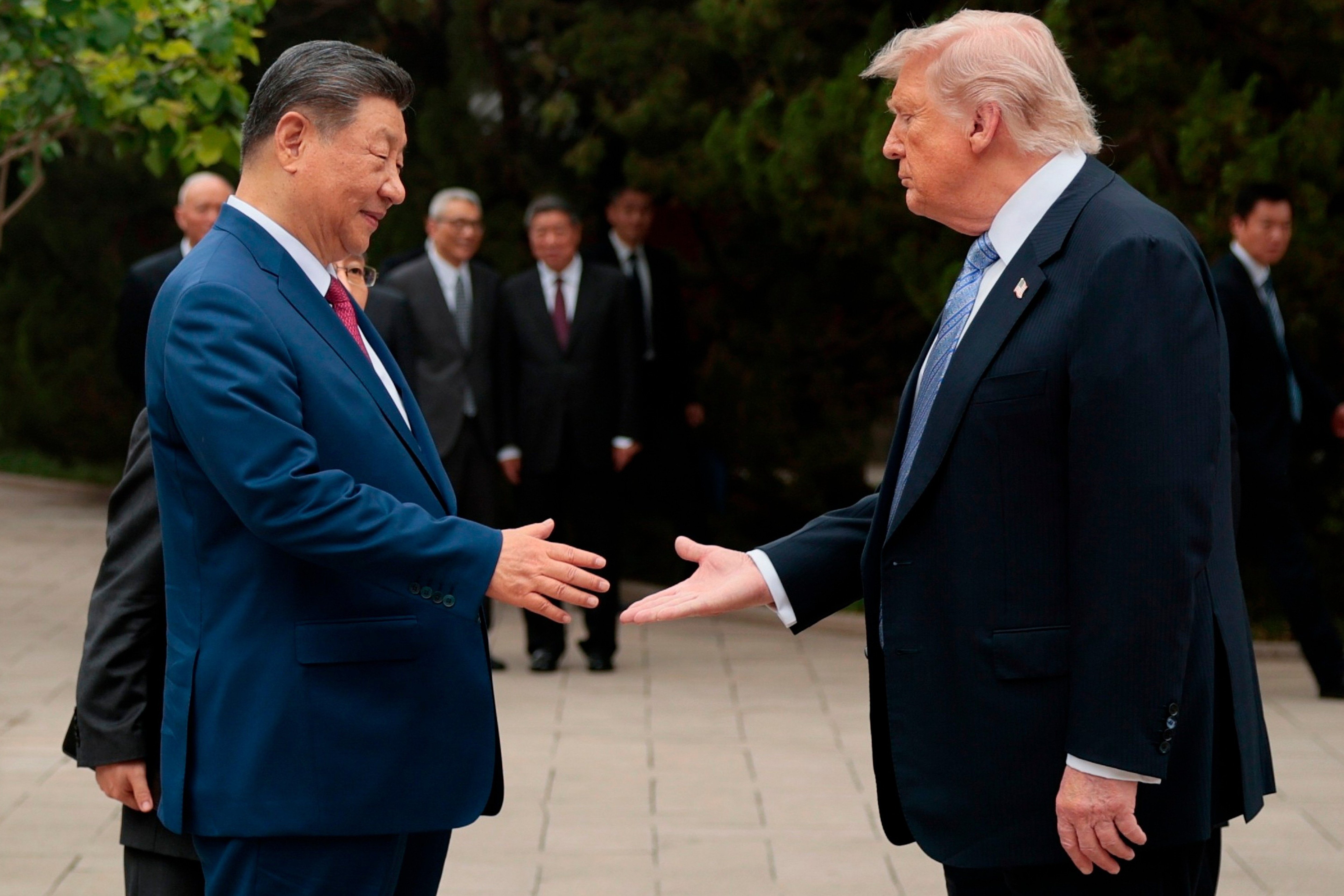
This shift comes amid conflicting signals from Washington and Tehran. President Trump announced a five-day halt to strikes on Iranian energy infrastructure following what he called "very good" and "productive" talks with Iranian leaders, claiming discussions aimed at a "complete and total resolution of our hostilities." Iran has publicly denied any direct negotiations with the United States, though it has engaged with third-party countries seeking to broker an end to the conflict.
Domestic and Diplomatic Pressure
Public opinion appears to be a factor in the recalculation. A new CBS/YouGov poll shows 60% of Americans disapprove of the ongoing military operation, with only 40% in support. This domestic pressure coincides with increasing congressional scrutiny over war funding and authorities.
Israeli Prime Minister Benjamin Netanyahu confirmed the diplomatic maneuvering, stating that Trump "believes there is an opportunity to leverage the tremendous achievements we have reached alongside the US military to realize the goals of the war through an agreement." Netanyahu had reportedly hoped the military campaign would spur regime change, but Trump has recently downplayed the likelihood of an internal overthrow, citing the violent suppression protesters would face.
The President has instead suggested the U.S. might work with elements of the current Iranian government willing to meet demands for reforms and scale back nuclear and military programs. This pragmatic approach represents a departure from his initial calls for Iranians to rise up after the war.
Behind-the-Scenes Channels
Special envoys Steve Witkoff and Jared Kushner are leading efforts to open a dialogue with Tehran, even as the U.S. deploys additional troops to the region and considers operations against key Iranian assets like Kharg Island. On the Iranian side, Parliament Speaker Mohammad-Bagher Ghalibaf is reportedly the point person for any diplomatic outreach, despite official denials from Tehran.
The administration's evolving stance reflects a broader pattern where Trump's public declarations face scrutiny over apparent contradictions between rhetoric and policy. Meanwhile, external analysis, such as a recent assessment of the Iranian regime's resilience, suggests the clerical establishment has weathered the initial military pressure without fracturing.
The path forward now appears centered on a potential negotiated settlement, possibly facilitated by intermediaries. Pakistan has offered to host talks, signaling the international community's desire to de-escalate a conflict that has raised global energy prices and regional tensions. Whether a deal can be struck that satisfies U.S. security demands, Israeli interests, and Iran's need for sanctions relief remains the central unanswered question of the crisis.