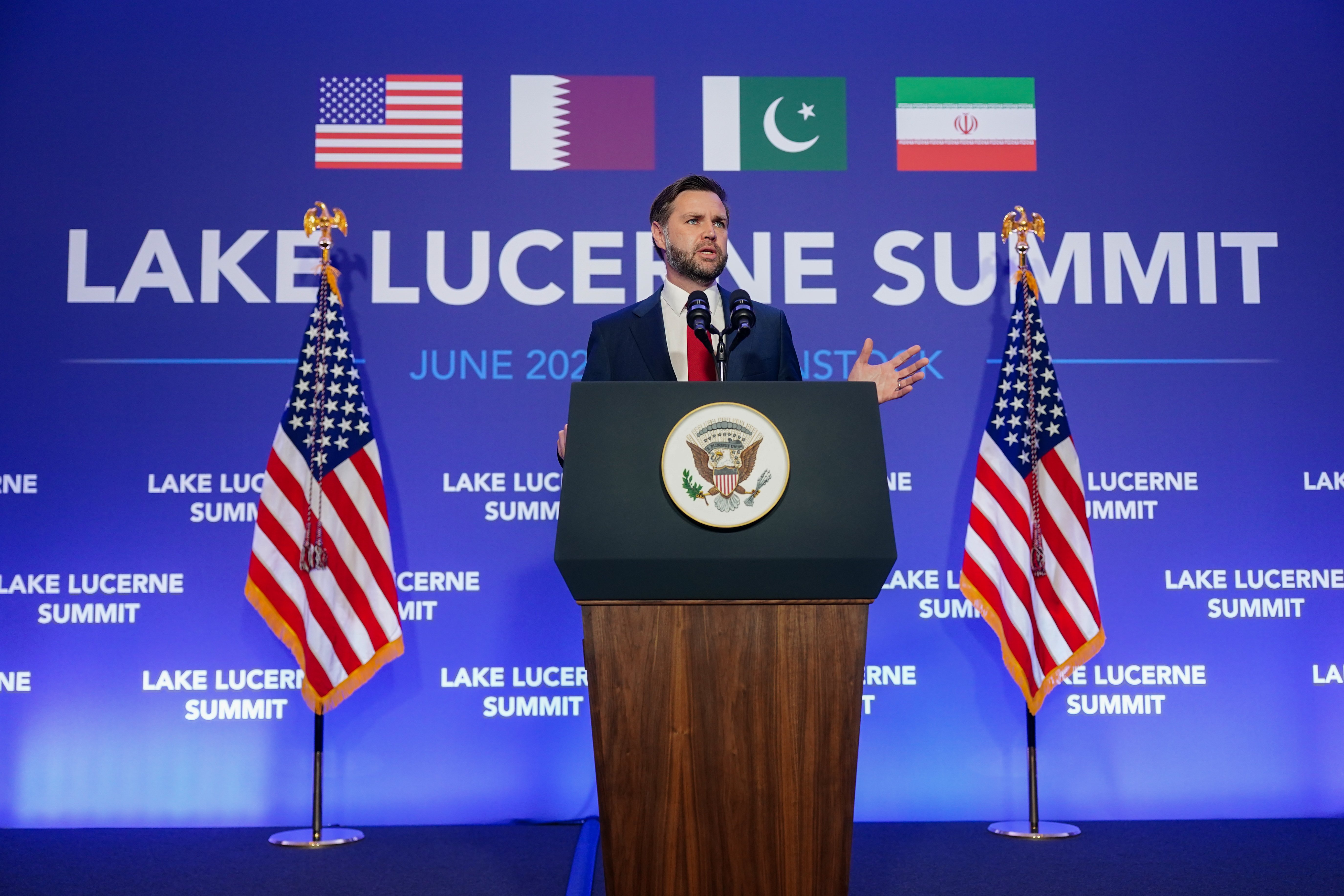
Pakistan has positioned itself as a potential mediator in the escalating conflict between the United States and Iran, with Prime Minister Shehbaz Sharif stating his nation is prepared to host "meaningful and conclusive talks." The offer comes directly in response to President Donald Trump's assertion on Monday that negotiations between Washington and Tehran are underway, a claim Iranian officials have publicly denied.
Military Pause and Diplomatic Maneuvers
President Trump announced a five-day extension to a deadline for Iran to reopen the Strait of Hormuz, stating the U.S. would hold off planned strikes on Iranian power plants to allow diplomatic channels to work. He described discussions with a "respected" Iranian leader. Tehran framed the move as a U.S. retreat, stating it followed "Iran's firm warning." This development follows Trump's order to pause military action amid his claims of productive dialogue.
In a post on social media platform X, Sharif wrote, "Subject to concurrence by the US and Iran, Pakistan stands ready and honoured to be the host." Pakistan's foreign ministry later reinforced the commitment to resolving the conflict through diplomacy but urged media to "refrain from speculation," with spokesperson Tahir Andrabi noting that negotiations "often require that certain matters be advanced with discretion."
Regional Violence Intensifies
The diplomatic overtures unfolded against a backdrop of sustained military action. On Tuesday, Iranian missiles and drones targeted Tel Aviv and other sites across the Middle East. Israeli rescue services reported at least three people injured in an attack on southern Israel, including a man in moderate condition and a woman with a two-month-old baby. The Israeli military reported a tenth wave of missile launches from Iran, while sirens also sounded in northern Israel, indicating potential fire from Lebanon.
In Bahrain, the Defense Ministry announced an Emirati soldier was killed while responding to Iranian attacks alongside Bahraini forces. Several other personnel from both nations were wounded. The attack also resulted in injuries to five members of the UAE's Ministry of Defense.
Market Reactions and International Responses
Financial markets, which had rallied on Trump's initial talk of negotiations, gave back some gains on Tuesday as the reality of continued strikes set in. The S&P 500 fell 0.4%, relinquishing more than a third of its previous day's climb, while oil prices rebounded with Brent crude rising 2.9% to $102.84 per barrel. The optimism had been sparked by Trump's statement that the U.S. and Iran held talks regarding a "complete and total resolution" of hostilities.
International leaders engaged directly on the crisis. Indian Prime Minister Narendra Modi spoke with Trump, calling their conversation a "useful exchange of views." In a social media post, Modi stressed India's support for "de-escalation and restoration of peace at the earliest" and emphasized the strategic necessity of keeping the Strait of Hormuz "open, secure and accessible." Meanwhile, Israeli Prime Minister Benjamin Netanyahu's office has commented on the apparent U.S. diplomatic push, as detailed in our report on Netanyahu's claims about Trump seeking an Iran deal.
Broader Global Impact
The conflict's ripple effects extended to Asia, where Philippine President Ferdinand Marcos Jr. declared a state of national energy emergency for one year. The declaration cites an "imminent danger of a critically low energy supply" due to the Middle East war and establishes a contingency committee to monitor the distribution of fuel and basic goods. Authorities were ordered to act against hoarding and profiteering of petroleum products.
The situation highlights the fragile intersection of diplomacy and military posturing. While Pakistan's offer and Trump's pause introduce a potential off-ramp, the persistent attacks and Tehran's denial of talks underscore the deep challenges. The episode has also drawn scrutiny in Washington, where some lawmakers, like Senator Chris Van Hollen, have accused the administration of dishonesty regarding the Iran negotiations.