Congress is preparing to vote on a $200 billion supplemental spending bill to fund President Trump's military conflict with Iran, marking the first formal legislative confrontation over a war initiated without congressional authorization. The vote represents an indirect but critical check on executive power, as lawmakers debate whether to finance a conflict that has already claimed thousands of lives, including American service members, and costs over $1 billion daily.
Constitutional Showdown Over War Powers
The funding battle centers on a fundamental constitutional question: whether the president possesses unilateral authority to initiate sustained warfare. While Article I of the Constitution grants Congress the sole power to declare war, presidents have increasingly claimed broader authority as commander-in-chief. Congress has not formally declared war since 1941, yet the United States has engaged in numerous prolonged conflicts. This vote forces lawmakers to either assert their constitutional role or further cede war-making authority to the executive branch.
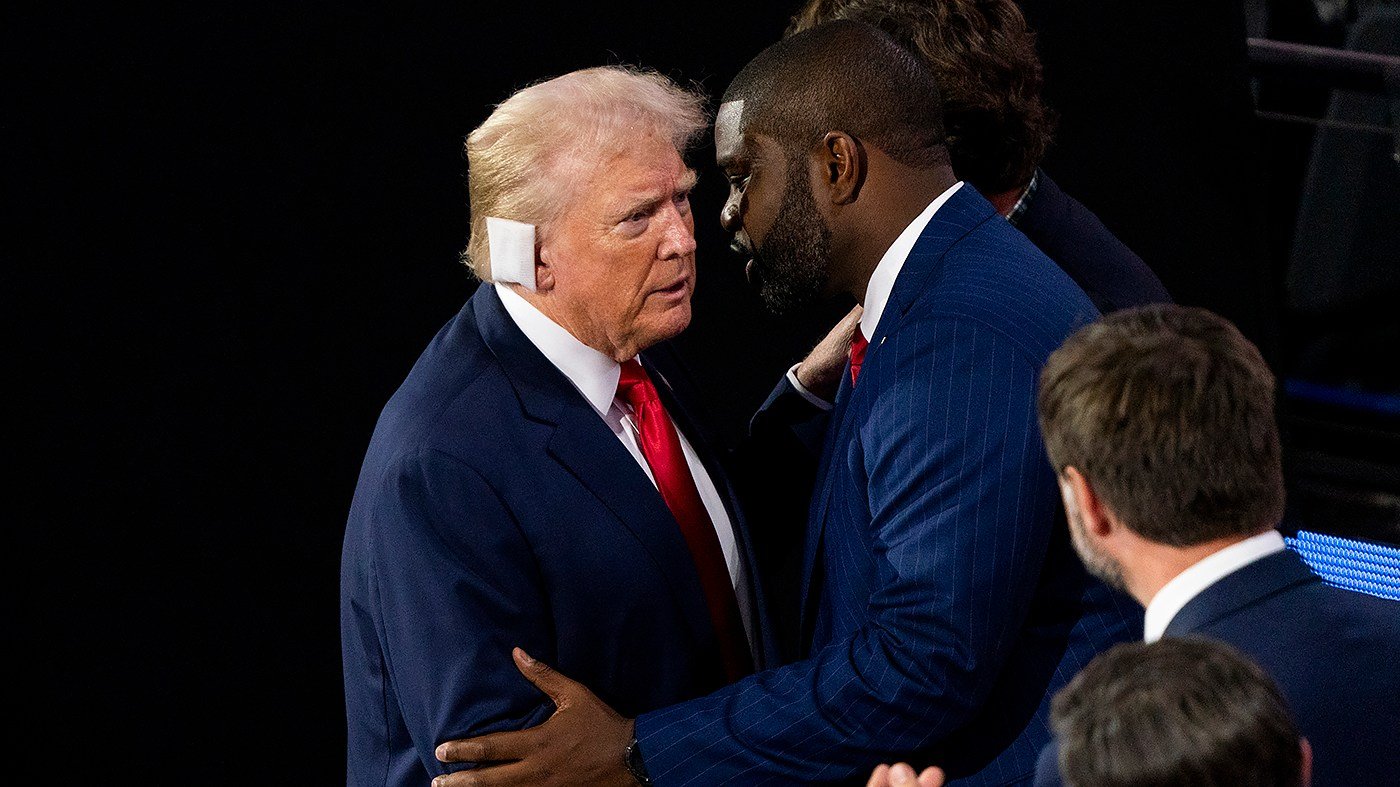
Trump's approach has broken from historical precedent in several key respects. Unlike previous administrations that typically consulted allies and built international coalitions before major military actions, Trump launched the Iran campaign without formal consultations. When questioned about this approach, Trump told reporters, "You don't want to signal too much. We didn't tell anybody about it because we wanted surprise." He then made an awkward reference to Japan's attack on Pearl Harbor during a meeting with Japanese Prime Minister Sanae Takaichi.
Political and Strategic Challenges
The administration faces significant political hurdles in securing passage. Trump will need Democratic support in the Senate, where some Republicans have already expressed concerns about the massive spending request amid a projected $2 trillion federal deficit and national debt exceeding $39 trillion. The conflict has drawn criticism for its unilateral initiation and broader regional implications, implicating nearly a dozen non-combatant countries and threatening global energy supplies through the Strait of Hormuz.
Iran's regime has posed persistent security challenges through proxy groups like Hamas, Hezbollah, and the Houthis, but the political debate focuses less on the threat itself than on the constitutional process. As concerns grow about democratic norms, this funding fight tests the system of checks and balances. The administration's request comes amid broader tensions, including escalating regional strikes by Iran despite Trump's claims of diplomatic progress.
Legislative Strategy and Potential Outcomes
If Democrats withhold support, Republican leaders may attempt to use the budget reconciliation process to bypass the 60-vote threshold typically required in the Senate. Some conservative lawmakers are reportedly pushing for this approach to secure even greater funding. However, this strategy would face its own challenges, particularly given internal Republican divisions and the procedural complexities of reconciliation.
The funding fight mirrors other legislative stalemates, including recent battles over Department of Homeland Security appropriations. As with the DHS shutdown standoff, the Iran funding debate reveals deeper institutional tensions. Trump's tendency to "go it alone" and lash out at critics complicates his ability to build the necessary coalitions, both internationally and domestically.
This confrontation occurs against a backdrop of increasing executive assertiveness and congressional acquiescence. Both parties have historically been quicker to assert constitutional limits on presidential power when the opposing party controls the White House. The outcome may set important precedents for future conflicts and the balance of power between branches of government. Meanwhile, dissent is growing within Trump's political base over the war's direction and costs.
The supplemental funding bill represents more than a routine appropriations measure—it serves as a referendum on presidential war powers, congressional authority, and the constitutional framework governing military action. As the vote approaches, lawmakers must weigh strategic considerations against fundamental questions of governance and accountability in a democracy.