Iran launched a significant new round of military strikes targeting Israel and several Gulf Cooperation Council states late Monday, an escalation that came mere hours after President Donald Trump declared his administration was engaged in negotiations to wind down hostilities. The attacks, which extended into Tuesday morning, directly challenged the White House narrative of imminent diplomatic progress.
Regional Targets Hit
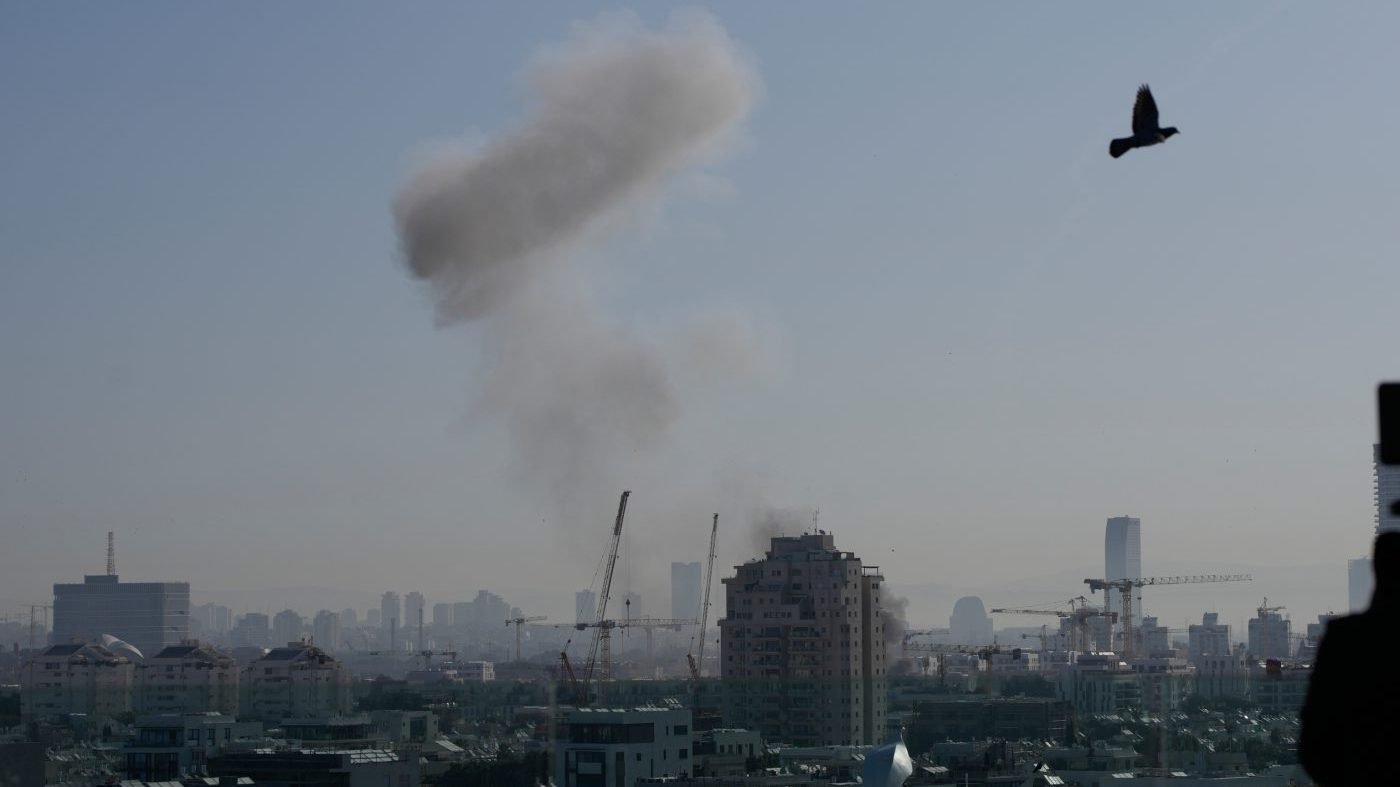
According to Associated Press reports, a missile carrying a 220-pound warhead struck a central Tel Aviv street, wounding four individuals. Across the Gulf, Kuwait experienced partial power outages after air defense shrapnel damaged power lines, while missile alert sirens sounded in Bahrain. Saudi Arabia's Defense Ministry stated it intercepted multiple Iranian drones aimed at the oil-producing Eastern Province.
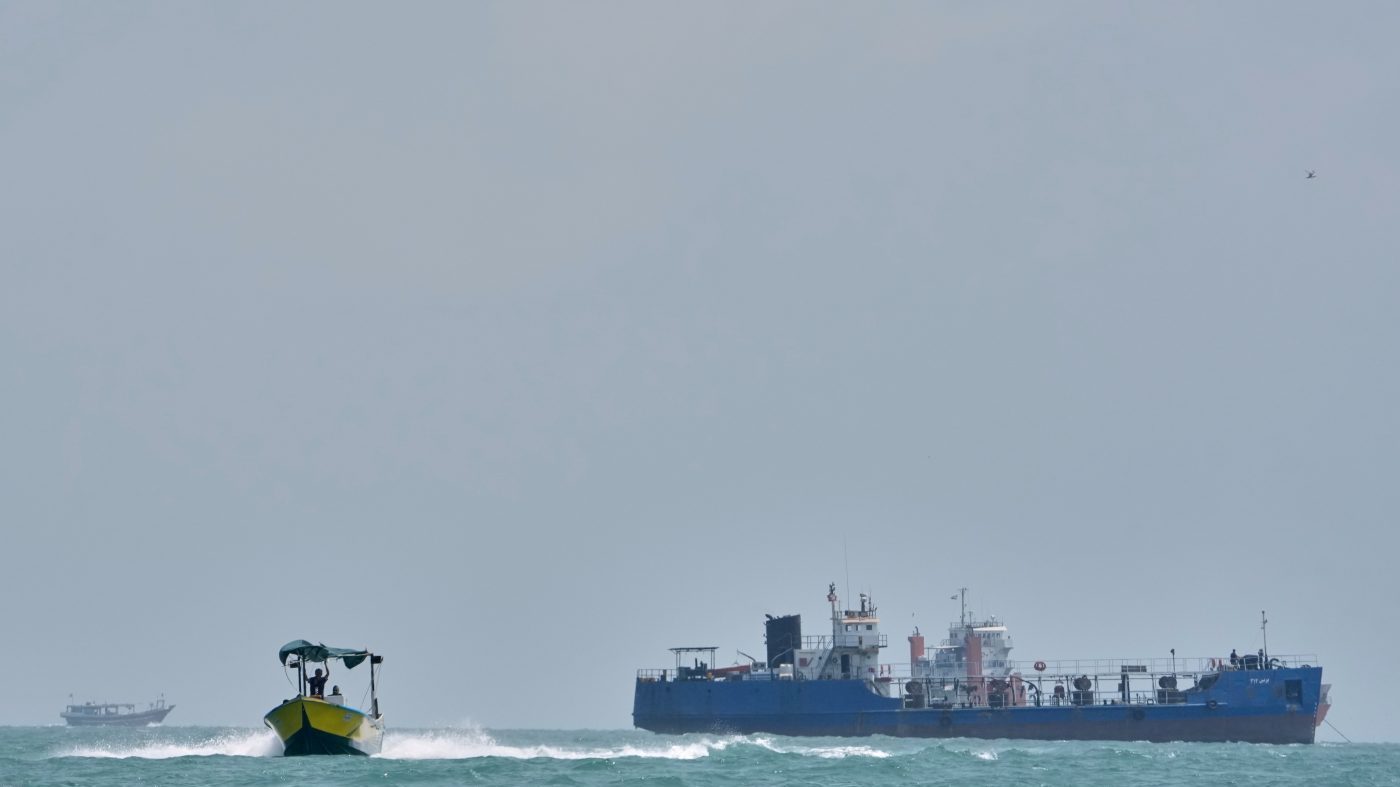
In response, the Israeli military confirmed it conducted overnight strikes on more than 50 targets within Iran, focusing on ballistic missile storage and launch facilities. This exchange underscores the conflict's expanding regional footprint, which now directly threatens global energy corridors and international shipping lanes.
Contradictory Signals from Washington and Tehran
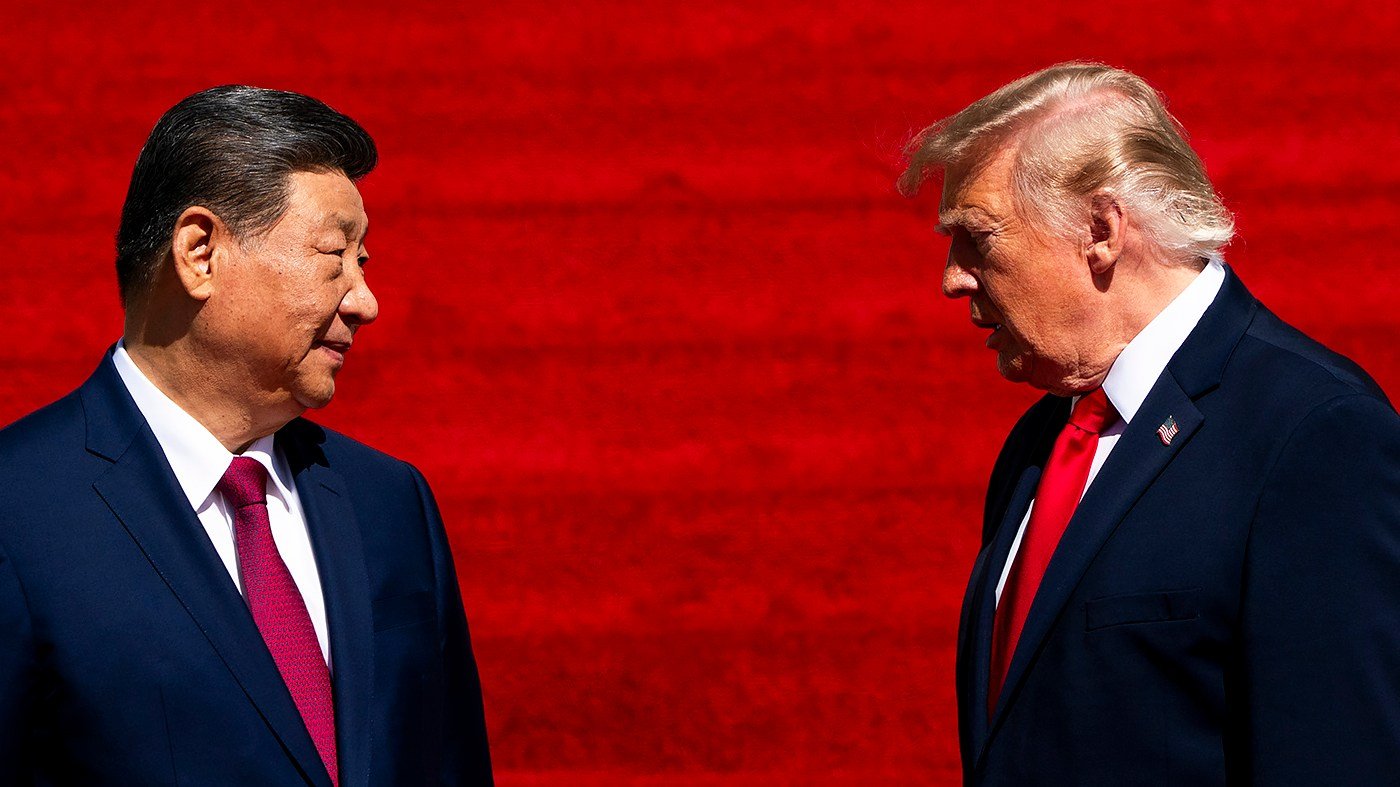
The military surge overshadowed President Trump's announcement on Monday. He described talks with Iranian leaders as "very good" and "productive," signaling a potential de-escalation. In a post on Truth Social, Trump stated he had ordered the Department of War to postpone all military strikes against Iranian power plants and energy infrastructure for five days. This pause was conditional, he said, on the success of ongoing discussions, and reversed earlier threats to target such infrastructure if Iran did not reopen the Strait of Hormuz.
Global financial markets reacted positively to the perceived diplomatic opening, with oil prices falling sharply after spiking near $119 per barrel last week due to Strait of Hormuz tensions. However, Iranian officials immediately denied any negotiations were taking place. A senior security official told Iran's Fars News Agency that Trump "backed down" from attacking critical infrastructure due to credible Iranian military threats and mounting financial market pressure in the U.S. and West.
On Tuesday, the spokesperson for Iran's top military command, Maj. Gen. Ali Abdollahi Aliabadi, vowed that armed forces would fight "until complete victory," as reported by the AP. This defiant stance aligns with skepticism from some U.S. political figures. For instance, Representative Adam Schiff has publicly questioned the validity of Trump's negotiation claims, suggesting they may be politically motivated.
Mounting Human Cost
The human toll of the conflict continues to rise dramatically. Iranian state television, citing health ministry figures, reported at least 1,500 killed and over 18,500 injured in Iran since the initial joint U.S.-Israeli strikes on February 28. The casualties extend far beyond Iran's borders. At least 15 people have been killed in Israel, over 1,000 in Lebanon, and 13 U.S. service members have died. A UNICEF report notes that more than 320 children are among the dead in Iran and Lebanon. Al Jazeera reports hundreds more are dead or injured throughout the Gulf region.
The escalating violence occurs against a backdrop of domestic political friction in the United States. A faction of former Trump allies has begun publicly opposing the administration's approach to the Iran conflict, highlighting divisions within the president's political base over foreign military engagement.
The situation presents a stark contradiction: while the White House points to backchannel diplomacy, the battlefield demonstrates a rapid and deadly escalation. The coming days will test whether the announced five-day pause in strikes on Iranian energy targets holds, and if any genuine diplomatic channel can emerge from the barrage of missiles and public denials.