GOP Sees Opening After Trump Retreats From Election Bill Demand
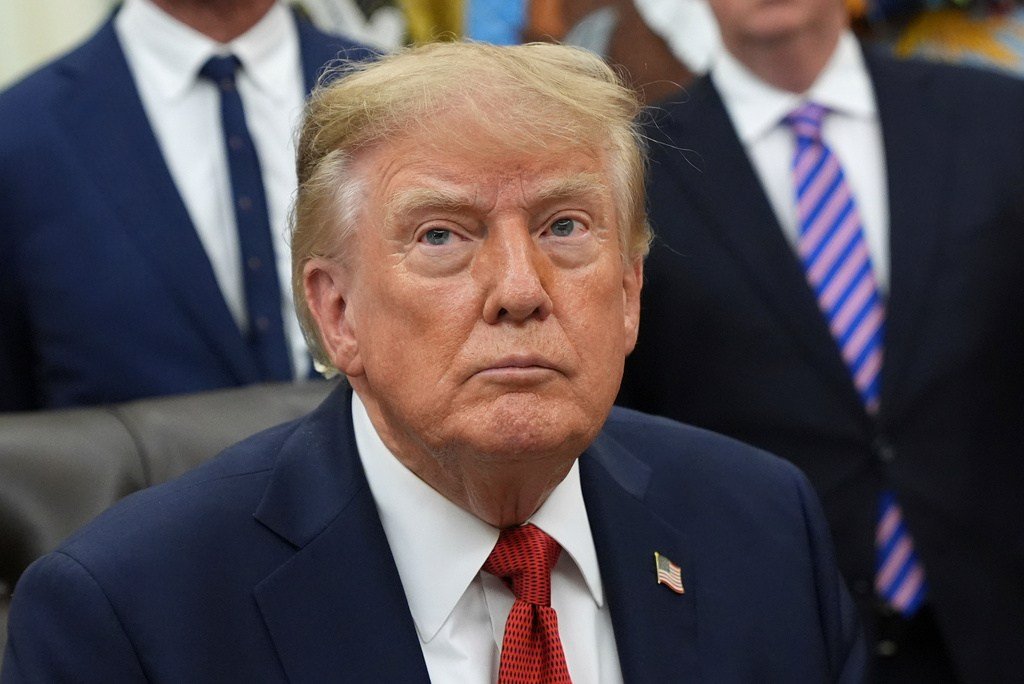
Senate Republicans emerged from a Monday evening meeting with President Trump expressing renewed confidence that a deal can be reached to fund the Department of Homeland Security, which has been partially shuttered for over a month. The breakthrough appears to stem from Trump backing away from his previous insistence that any funding agreement be contingent on Democrats passing the SAVE America Act, a sweeping election and voting requirements bill that faces unified Democratic opposition.
According to sources familiar with the discussion, Trump is now willing to accept a two-part legislative strategy. Funding for DHS's core operations would be separated from money specifically earmarked for Immigration and Customs Enforcement's enforcement and removal operations. Republicans would then attempt to pass the ICE funding through the budget reconciliation process, which requires only a simple majority and would not need Democratic votes. This tactical shift removes a significant barrier that had stalled negotiations for weeks, as detailed in our earlier report on how the election bill demand escalated the standoff.
A "Down Payment" on Election Agenda
Republican senators told the president they would attempt to include certain elements of the SAVE America Act within the reconciliation package. One source described this effort to The Hill's Alexander Bolton as a "down payment" on the party's broader election security agenda. Senator Katie Britt (R-Ala.), who chairs the Homeland Security Appropriations Subcommittee, confirmed to reporters that the negotiating group believes a solution is within reach. "We do," she said when asked if they had a path to end the impasse.
The meeting included newly confirmed DHS Secretary Markwayne Mullin, whose confirmation proceeded despite scrutiny over his temperament, as well as White House border coordinator Tom Homan and Deputy Chief of Staff Stephen Miller. Trump had rejected a similar proposal just days earlier, making his apparent reversal a critical development as the operational consequences of the shutdown intensify.
Airport Security System Nears Breaking Point
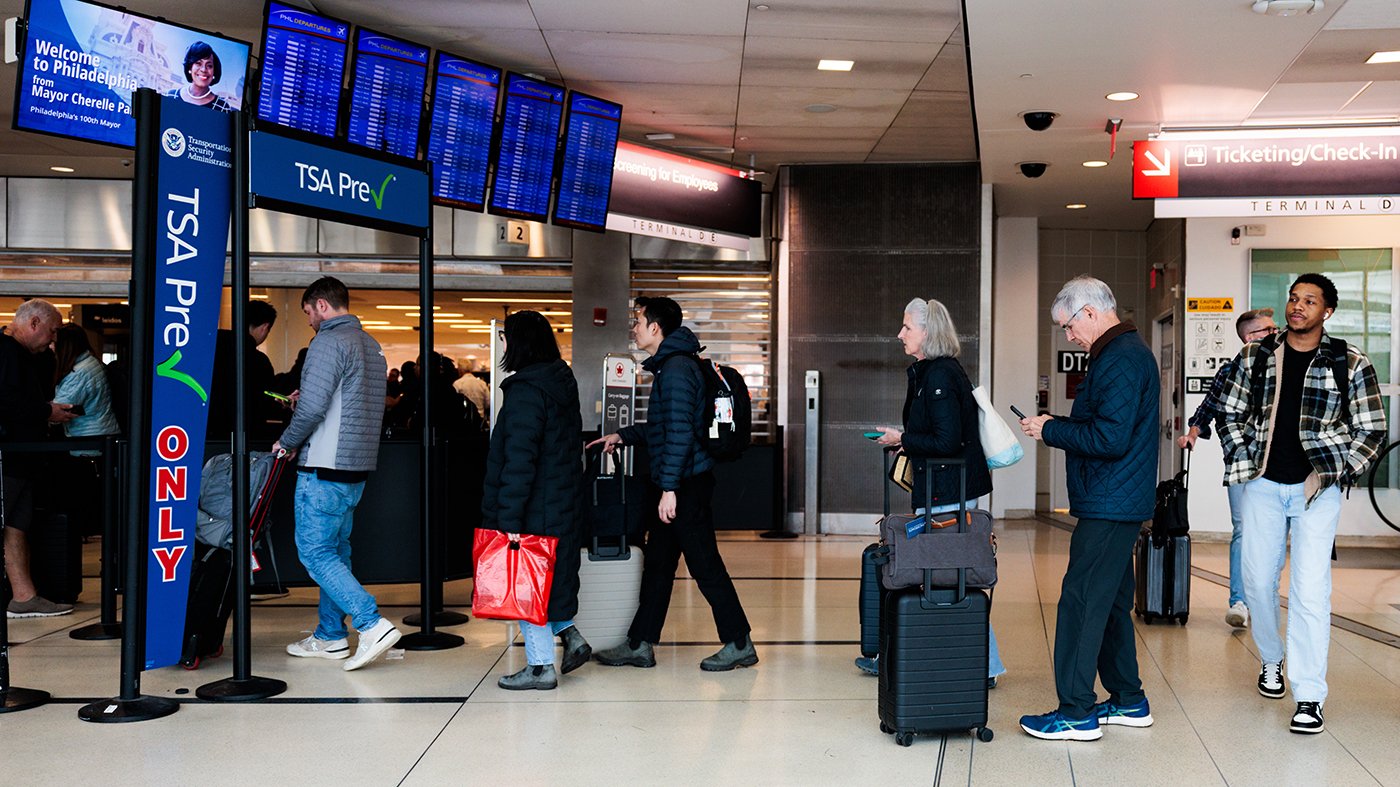
The political maneuvering in Washington unfolds against a backdrop of escalating chaos at the nation's airports. With TSA officers and most DHS personnel working without pay for more than a month, call-out rates have surged, leading to severe staffing shortages. This past weekend, the overall TSA absentee rate approached 12 percent, with over 3,450 agents failing to report for duty. The situation was far worse at major hubs, where call-out rates exceeded 40 percent at airports in New Orleans and Atlanta, and topped one-third at facilities in Houston, Baltimore, and New York City.
In response, the administration began deploying ICE officers to assist at understaffed security checkpoints across more than a dozen airports. Homan, overseeing the deployment, declined to name specific locations on a radio program, citing concerns about attracting anti-ICE protests. The deepening TSA staffing crisis has forced this unprecedented ICE airport deployment, blurring traditional law enforcement roles.
The operational strain is now visibly affecting passenger travel. John F. Kennedy International Airport suspended its security wait time reporting system Monday, citing conditions too volatile for accurate tracking. Numerous other airports are warning travelers of hours-long delays. The crisis compounds the aftermath of a tragic collision at LaGuardia Airport late Sunday between an Air Canada jet and a firetruck, which killed two pilots, injured 41 passengers, and shut down the airport for much of Monday.
These cascading disruptions are applying intense pressure on lawmakers to find a resolution. The sight of ICE agents deployed to major airports amid travel disruptions has become a potent symbol of the shutdown's consequences. Whether the newfound Republican optimism translates into a viable funding bill that can pass both chambers and gain the president's signature remains the central political question, as the security and travel infrastructure of the nation continues to degrade.