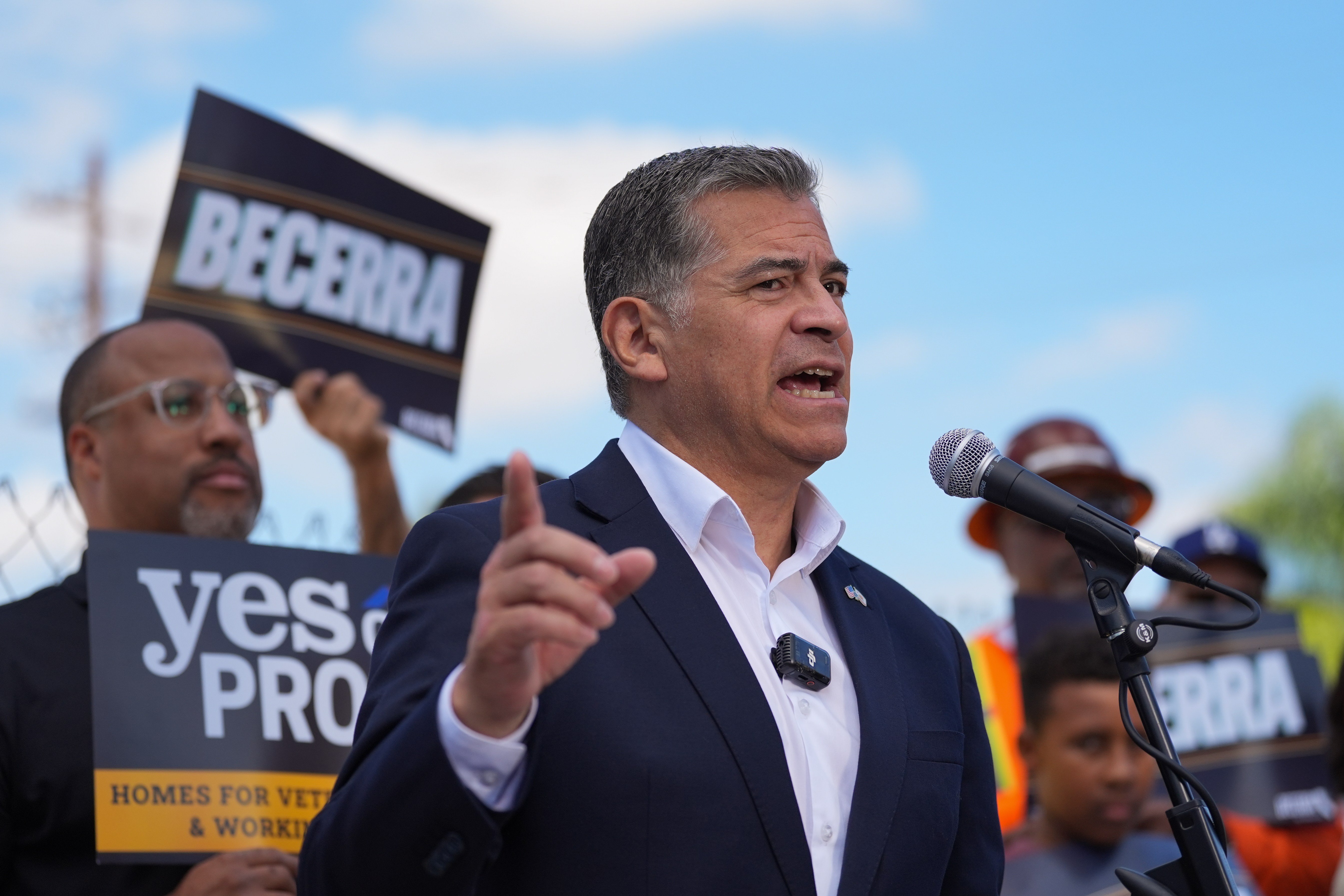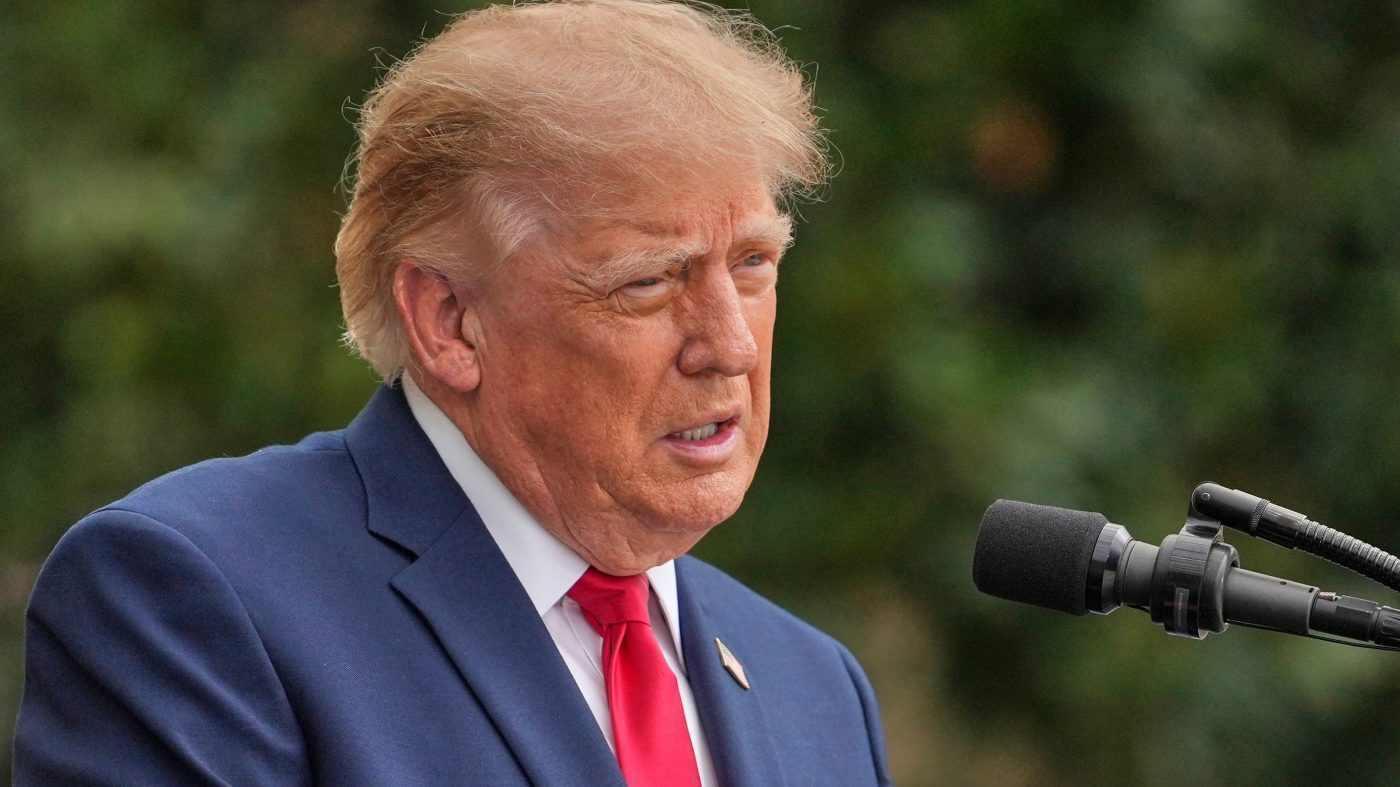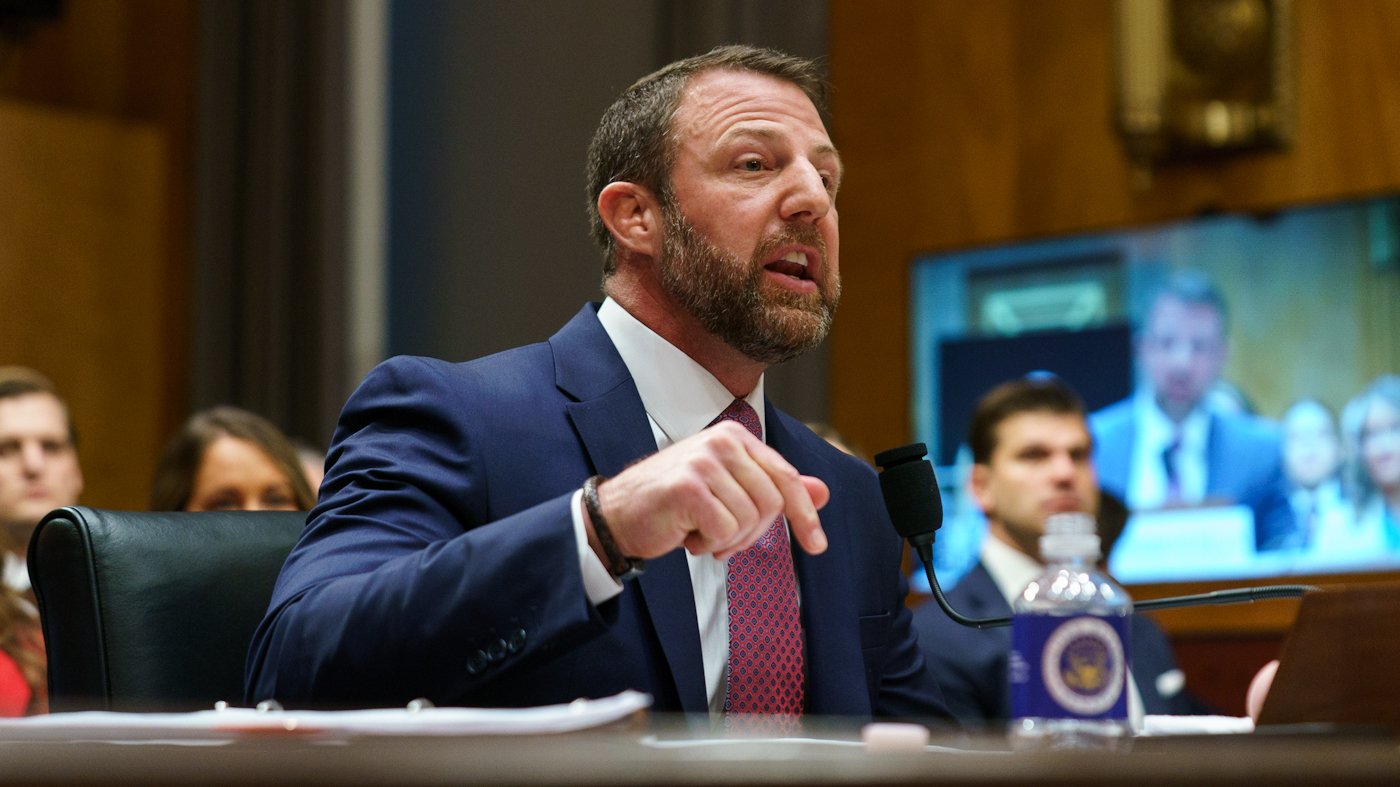
The Senate confirmed Republican Senator Markwayne Mullin of Oklahoma as Secretary of Homeland Security on Monday, placing him at the helm of a sprawling department currently operating under a partial government shutdown. The 54-45 vote saw two Democratic senators cross party lines to support the nomination, providing President Trump with a new cabinet official after the dismissal of his first DHS secretary.
Rapid Confirmation Follows Contentious Hearing
Mullin's confirmation moved swiftly through the Senate, with the Homeland Security and Governmental Affairs Committee advancing his nomination just one day after a heated hearing. That session featured sharp criticism from the committee's own Republican chairman, Senator Rand Paul of Kentucky, who repeatedly challenged Mullin's fitness for the role. The full Senate vote occurred less than a week later, bypassing typical procedural delays.
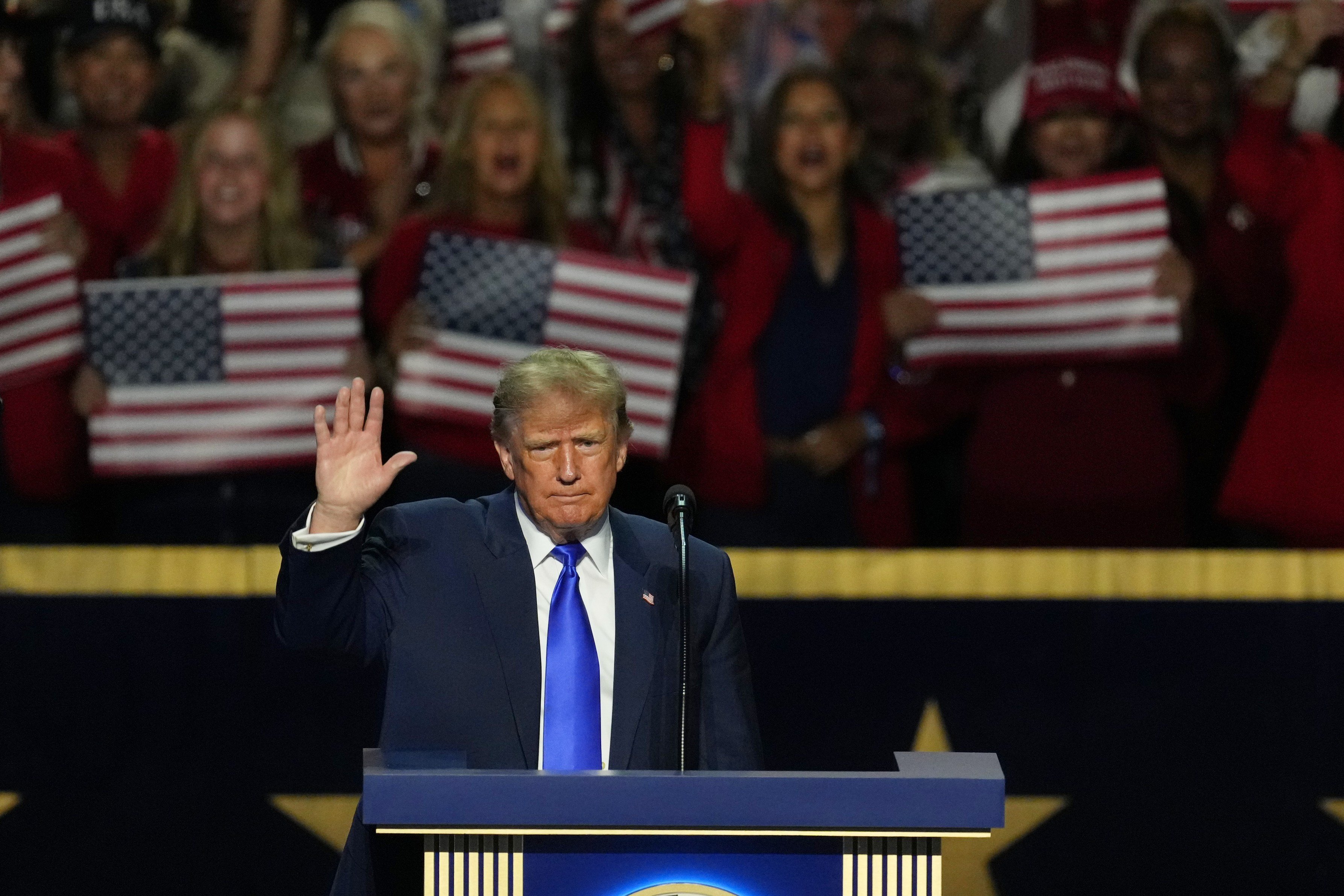
Mullin assumes leadership during a critical period for the department, which has been embroiled in a shutdown now entering its sixth week. The standoff between the Senate and White House centers on demands for immigration enforcement reforms. As part of the administration's response to the impasse, President Trump deployed U.S. Immigration and Customs Enforcement officers to airports Monday, claiming they would assist Transportation Security Administration employees with growing security wait times—a move that reflects the deepening TSA staffing crisis caused by the funding lapse.
Bipartisan Support and Opposition
While Mullin secured votes from Democrats John Fetterman of Pennsylvania and Martin Heinrich of New Mexico, most Democratic senators opposed his confirmation. Critics, including Senator Paul, argued Mullin lacked the necessary temperament and experience to lead the 240,000-person department. They pointed to his past support for a neighbor who violently attacked Senator Paul and his 2023 threat to physically fight Teamsters leader Sean O'Brien during a Senate hearing.
"I'm very troubled by Senator Mullin's willingness to condone political violence and the message that that sends across DHS," said Senator Gary Peters of Michigan, the top Democrat on the Homeland Security Committee. "We're not talking about an isolated lapse in judgment after Senator Mullin attempted to physically fight a witness at a Senate hearing."
Senator Paul echoed these concerns during the confirmation process. "I think there are anger issues. I think there's a lack of contrition, both about the violence that was perpetrated on me, really the violent episode he was involved in," Paul stated. "We shouldn't settle personal questions with violence. I think that would be a terrible example for ICE and for our Border Patrol agents."
Policy Shifts and Continuity Questions
Some opponents argued Mullin represented little substantive change from previous Trump administration approaches to immigration. "Senator Mullin has no relevant experience, and I'm concerned he'll be a rubber stamp to President Trump and Stephen Miller," wrote Senator Catherine Cortez Masto on social media, referencing the administration's senior immigration advisor.
Supporters highlighted different considerations. Senator Heinrich, who voted for confirmation, noted his constructive working relationship with Mullin and their collaboration on legislation. "I want someone who recognizes the necessity of judicial warrants, as he has," Heinrich said in a statement. "I have also seen first-hand that Markwayne is not someone who can simply be bullied into changing his views, and I look forward to having a secretary who doesn't take their orders from Stephen Miller."
Mullin has indicated several policy departures from his predecessor, Kristi Noem. He plans to abandon Noem's requirement for secretary-level approval of any expense exceeding $100,000—a policy that delayed Federal Emergency Management Agency payments. During his hearing, Mullin endorsed using judicial warrants rather than DHS-issued administrative warrants for certain ICE arrests and deportations, and stated he had not been given a deportation quota.
Senator Chuck Grassley of Iowa urged Mullin to improve transparency and cooperation with Congress and the DHS inspector general, who had complained of systematic obstruction under Noem. "My advice to him is be transparent and responsive to the American people. Answer our letters. Protect whistleblowers," Grassley said. Mullin takes command as DHS navigates not only the shutdown but broader national security challenges, including the evolving situation with Iran that continues to demand departmental attention.