The ongoing partial shutdown of the Department of Homeland Security is triggering severe operational disruptions at airports across the United States, creating mounting political pressure on lawmakers to restore funding before departing Washington for a two-week recess. The crisis centers on the Transportation Security Administration, where unpaid officers are increasingly calling out sick or resigning, leading to security line delays that are now spreading nationwide.
Staffing Collapse and Political Pressure
TSA workforce metrics reveal a system under acute strain. More than 400 officers have resigned since the shutdown began in mid-February, according to acting DHS Assistant Secretary for Public Affairs Lauren Bis. On a single day this past Sunday, nearly 12 percent of the TSA workforce—over 3,450 employees—called out from work, the highest absentee rate recorded during the funding lapse. The situation is most critical at major hubs: Louis Armstrong New Orleans International Airport reported a 42.3 percent call-out rate, with Hartsfield-Jackson Atlanta at 41.5 percent and Houston's George Bush Intercontinental at 39.1 percent.
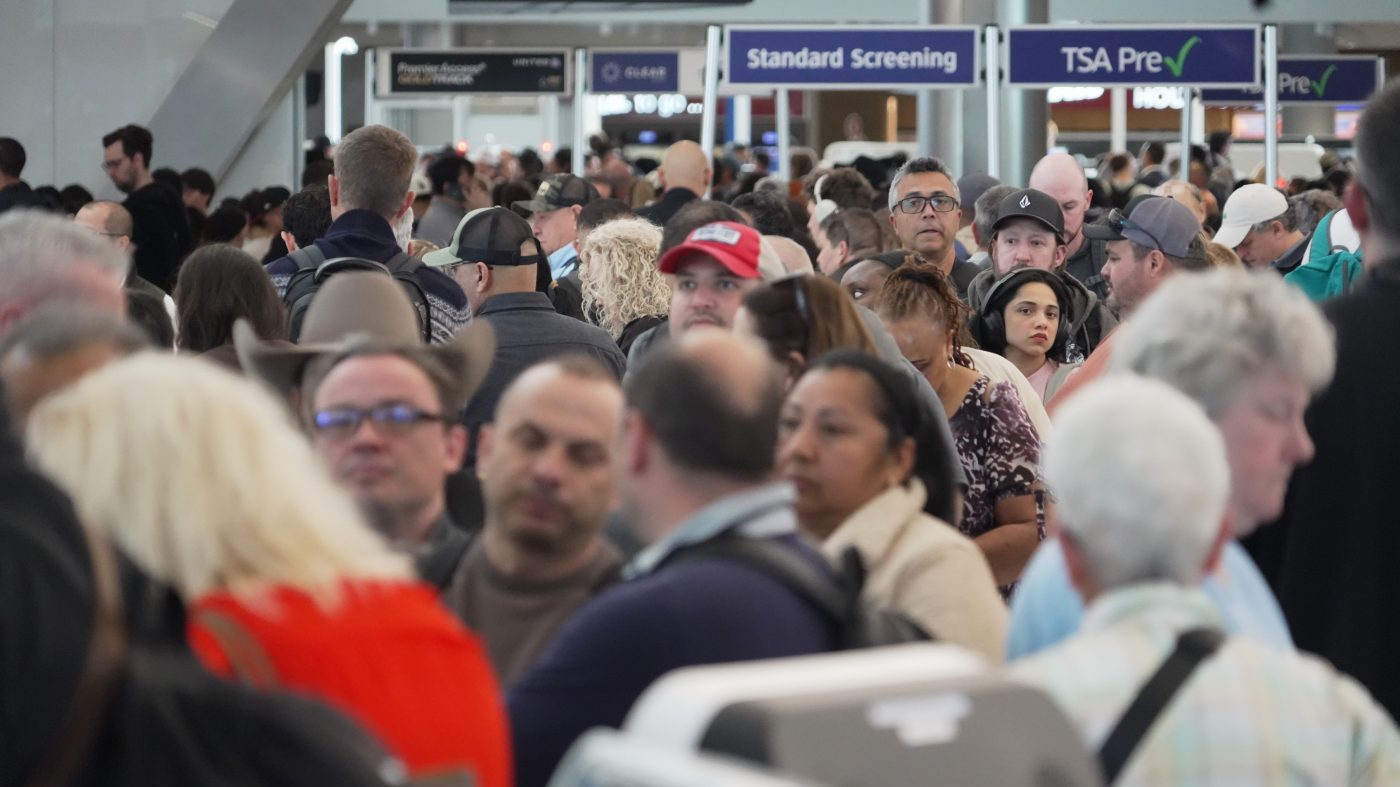
The visible consequence is a travel system nearing gridlock. Airports from New York to Atlanta are advising passengers to arrive up to four hours before departure, with some, like JFK International, ceasing to publish wait times online due to their extreme length. Viral images of security lines extending through terminals and into parking areas have become potent political symbols, directly connecting the funding impasse to public inconvenience.
ICE Deployment and Democratic Backlash
In response, the White House announced it would deploy Immigration and Customs Enforcement officers to assist at airports. The move is widely seen as an attempt to pressure congressional Democrats, who have refused to fund DHS without immigration enforcement changes, to drop their demands. However, the plan has ignited fierce opposition from Democratic leadership.
Senate Minority Leader Chuck Schumer condemned the deployment on the Senate floor, stating, "ICE agents who are untrained and have caused problems everywhere they’ve gone lurking at our airports. That’s asking for trouble." House Minority Leader Hakeem Jeffries echoed these concerns in a television interview, warning that deploying "untrained ICE agents" could lead to the potential "brutalization" of travelers.
The operational role of these officers remains unclear. Former border czar Tom Homan, who is helping craft the plan, stated ICE personnel would not perform security screening, for which they lack training, but could relieve TSA officers from ancillary duties. ICE agents were already observed at airports including JFK, O'Hare, and Atlanta on Monday, with plans for deployment at over a dozen major hubs.
A Stalemate with Growing Stakes
The DHS has now been unfunded for over a month, stuck in a partisan deadlock over immigration policy. The deteriorating airport situation, however, has injected the stalled negotiations with new urgency. Lawmakers face direct constituent anger as travel chaos mounts during the spring break period. The immediate issue is the missed March 13 paycheck for TSA officers, which has forced many to seek secondary income, exacerbating staffing shortages.
This domestic crisis unfolds as the administration manages other complex security challenges, including ongoing tensions with Iran in the Strait of Hormuz and a U.S. military facing strain from prolonged conflict. The DHS shutdown has already prompted significant internal disruption, as detailed in our report on the TSA staffing crisis and officer resignations.
With the congressional recess looming, the political calculus is shifting. The tangible impact of the shutdown has moved from a bureaucratic dispute to a daily reality for millions of travelers, forcing lawmakers to weigh policy demands against escalating operational failure and public backlash. The coming days will test whether the spectacle of airport chaos can break a legislative impasse that has so far proven intractable.