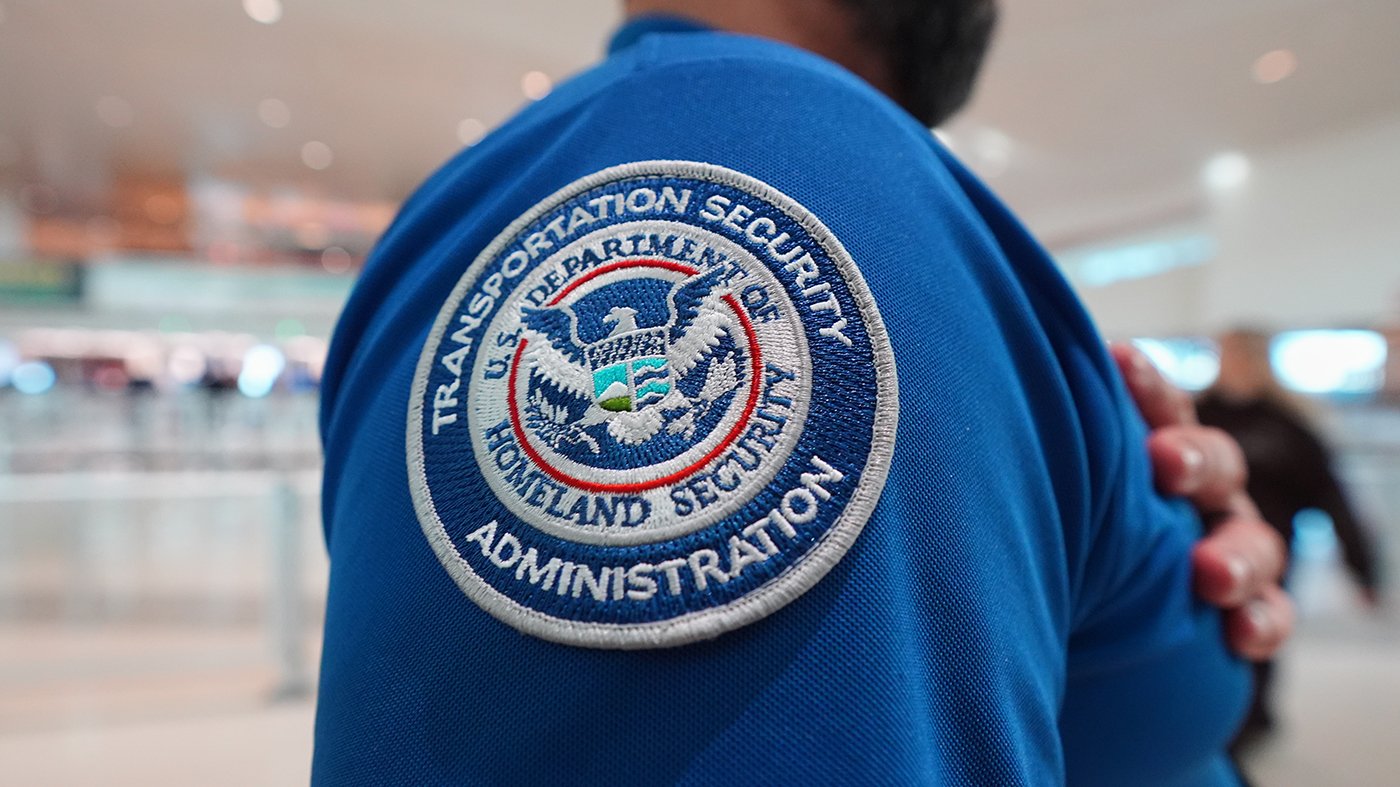
The ongoing partial shutdown of the Department of Homeland Security has precipitated a staffing crisis within the Transportation Security Administration, with more than 400 officers resigning since funding lapsed in mid-February. Acting DHS Assistant Secretary Lauren Bis confirmed the departures, stating that resignations and unscheduled absences have surged as personnel work without pay.
"This pointless, reckless shutdown of our homeland security workforce has caused more than 400 TSA officers to quit and thousands to call out from work because they are not able to afford gas, childcare, food, or rent," Bis said in a statement. The financial strain on officers, who continue to report for duty without a guaranteed paycheck, is cited as the primary driver behind the exodus.
The loss of personnel has strained operations at airports across the country. Multiple airports have been compelled to close security checkpoints due to a lack of staff, resulting in longer wait times for travelers as remaining officers shoulder increased workloads. The situation threatens to worsen during the spring break travel period.
The shutdown stems from a legislative impasse following the deaths of two American citizens involving immigration enforcement. Democratic lawmakers have refused to fund Immigration and Customs Enforcement and Customs and Border Protection without first enacting reforms, while Republicans have insisted on funding DHS in its entirety. This deadlock has left the department operating without its regular appropriations. The political standoff mirrors broader tensions over immigration policy, a theme also evident in recent campaign debates where security and economic pressures intersect.
In response to the deteriorating airport conditions, the Trump administration announced it is deploying ICE officers to assist TSA personnel. "Because of the Democrat shutdown, President Trump is using every tool available to help American travelers who are facing hours long lines at airports across the country," Bis stated, framing the move as a necessary contingency. This ICE deployment represents an unusual operational shift, drawing personnel from one contested agency to bolster another.
Bis defended the administration's action, adding, "While the Democrats continue to put the safety, dependability, and ease of our air travel at risk, President Trump is taking action to deploy hundreds of ICE officers, that are currently funded by Congress, to airports being adversely impacted." The statement positions the deployment as a stopgap measure to maintain security and minimize travel disruptions.
The crisis underscores the broader consequences of funding lapses for essential federal services. The TSA workforce attrition highlights how budgetary politics directly impact frontline government operations and public infrastructure. Similar high-stakes negotiations are playing out in other arenas, such as the extended diplomatic and military calculations surrounding Iran, where policy decisions carry immediate operational weight.
As the shutdown persists with no clear resolution, the strain on federal employees and the systems they manage is expected to intensify. The situation presents a tangible test of contingency planning and raises questions about the long-term resilience of critical security agencies amid protracted political disputes. The fallout serves as a case study in how legislative gridlock can cascade into operational emergencies, affecting both government workers and the public they serve.