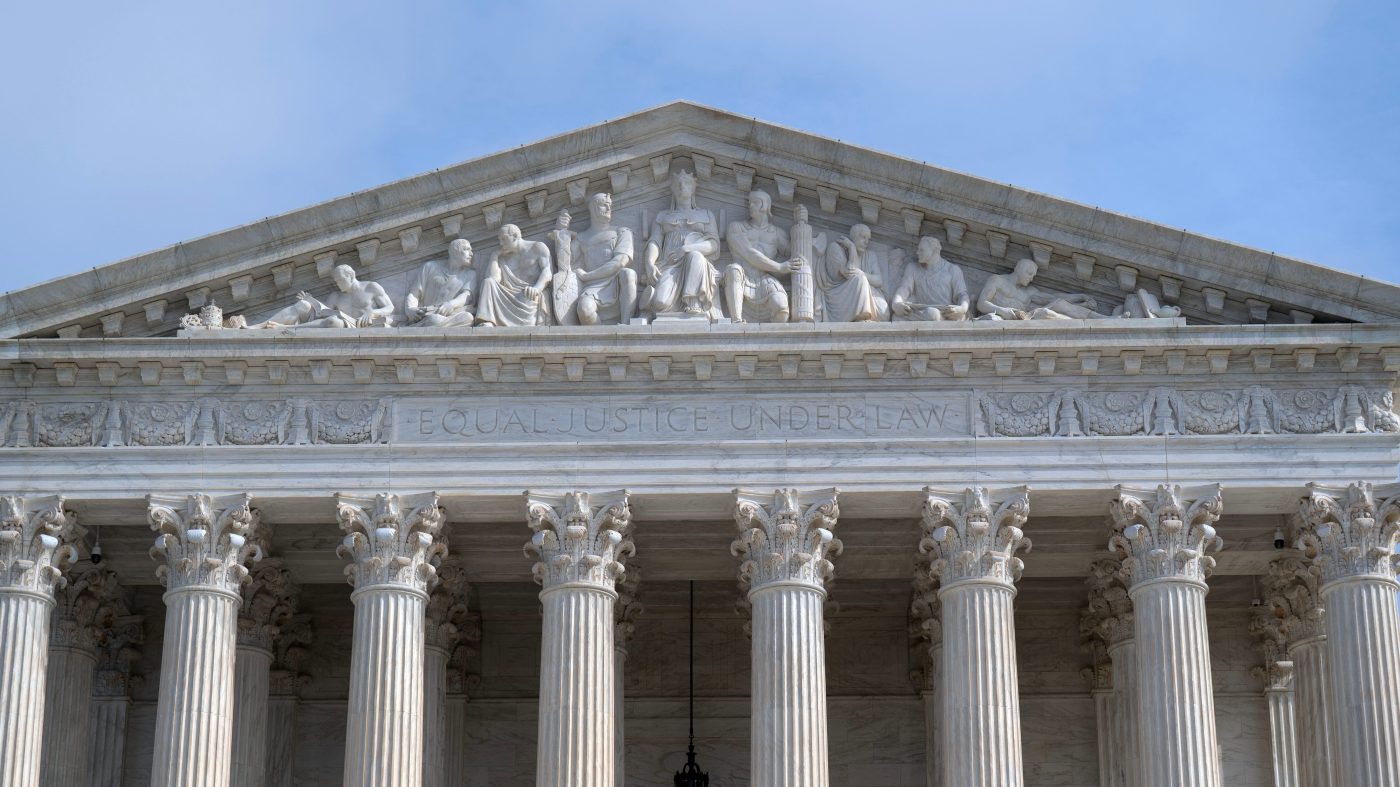
The U.S. Supreme Court will hear oral arguments Tuesday in a pivotal case examining whether federal authorities can legally deny asylum claims to migrants before they physically cross the nation's southern border. The case centers on the contested policy of 'metering,' which allows border officials to turn away noncitizens seeking entry. This legal challenge arrives as President Donald Trump reshuffles his national security team, preparing to swear in Senator Markwayne Mullin (R-Oklahoma) as the new Secretary of Homeland Security.
Legal Battle Over Border Access and Asylum Rights
At the heart of Tuesday's hearing is a fundamental question of statutory interpretation. Federal law explicitly guarantees the right to apply for asylum to migrants who have arrived in the United States. The 'metering' policy, however, operates by preventing that arrival from occurring in the first place, creating a legal gray zone. The Biden administration formally rescinded the practice, but former President Trump, who significantly expanded its use during his first term, has vowed to reinstate it if re-elected. The Court's decision will clarify the limits of executive authority at the border and define the procedural rights of asylum seekers under current law.
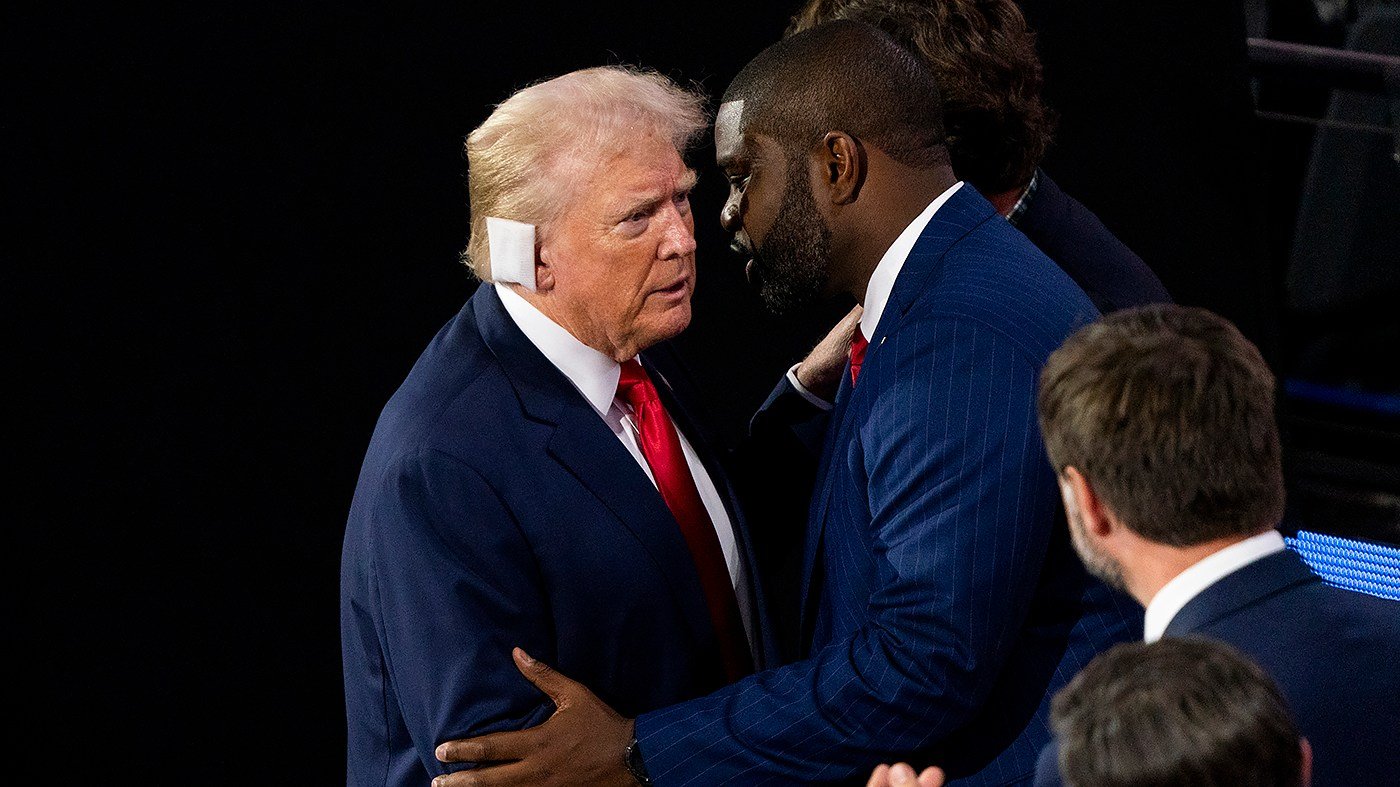
The policy itself is not a Trump-era invention; its origins trace back to the Obama administration, where it was used as a limited tool during periods of high migration. The Trump administration subsequently systematized and expanded its application, making it a cornerstone of its border enforcement strategy. The legal challenge argues that this practice effectively nullifies asylum protections by denying individuals the opportunity to physically present themselves to authorities, a step advocates say is required by statute.
DHS in Transition: Mullin Steps In as Shutdown Looms
The high-stakes court proceedings coincide with major leadership turmoil at the Department of Homeland Security. President Trump is set to replace ousted Secretary Kristi Noem with Senator Markwayne Mullin, a move that signals a continued hardline approach to immigration enforcement. Mullin's confirmation hearing is expected to be contentious, focusing on his oversight of an agency grappling with a partial government shutdown that has frozen its funding.
Lawmakers and the White House remain locked in a standoff over DHS appropriations, leaving the department's long-term operational capacity in question. Mullin would immediately face the dual challenges of managing the agency through a funding crisis and implementing the very border policies being debated at the Supreme Court. This leadership change underscores the administration's prioritization of immigration policy, even amid broader governmental dysfunction.
Broader Judicial Context and Implications
This case joins a docket of significant legal disputes before the current Court. Recently, the justices have ruled on matters ranging from qualified immunity for law enforcement to the legality of post-election ballot counting procedures. The outcome of the asylum case will have immediate and profound consequences for border enforcement strategy and the interpretation of humanitarian protections in U.S. law.
A ruling upholding the 'metering' policy would grant the executive branch broad discretion to control the flow of migrants at ports of entry, potentially reducing the number of individuals who can initiate asylum claims. A decision against it would force a return to a system where any migrant who reaches U.S. soil, whether at a designated port or between ports, has the right to request protection, likely increasing processing burdens on border agencies.
The timing is politically explosive, placing immigration—a perennial flashpoint—directly before the nation's highest court as the presidential election cycle intensifies. The ruling will either validate a key Trump policy goal or deliver a legal setback with significant operational implications for the southern border. Oral arguments are scheduled to begin at 11 a.m. Eastern Time.