Justices Grapple with Election Timelines and Federal Authority
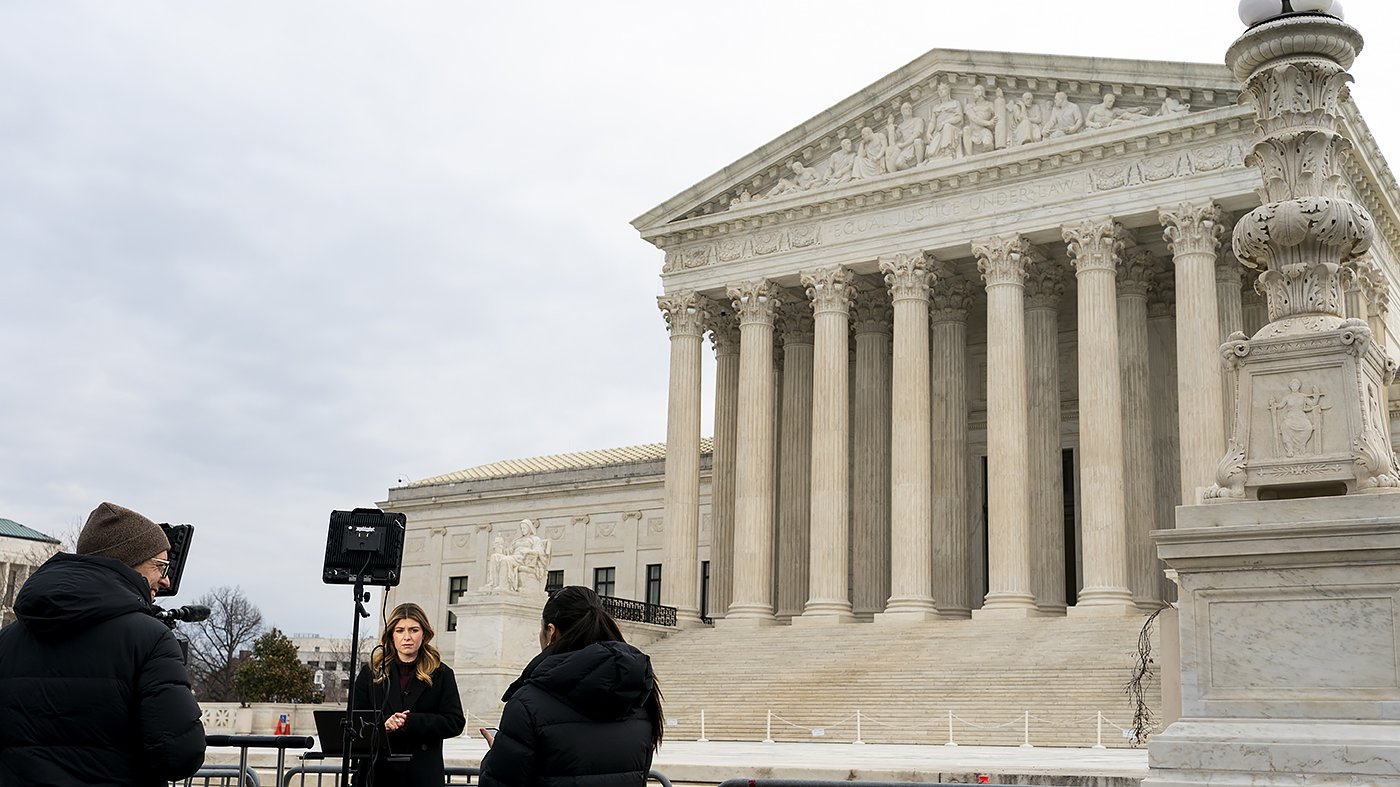
The U.S. Supreme Court on Monday scrutinized whether federal law permits states to count mail ballots that arrive after Election Day, with several conservative justices expressing significant reservations about the practice. The case, which challenges Mississippi's statute allowing a five-day grace period for ballots postmarked by Election Day, carries immediate consequences for November's midterm elections and could affect voting procedures in more than a dozen states with similar provisions.
Conservative Skepticism and Slippery Slope Arguments
Justice Samuel Alito framed the central tension, stating, "We don't have Election Day anymore. We have election month, or we have election months." The Republican National Committee, leading the legal challenge, contends the federal statute establishing a single national Election Day—the first Tuesday in November—preempts state laws accepting ballots afterward. Representing the RNC, attorney Paul Clement warned of a "slippery slope," suggesting that without clear limits, states could theoretically accept ballots until a new congressional session begins.
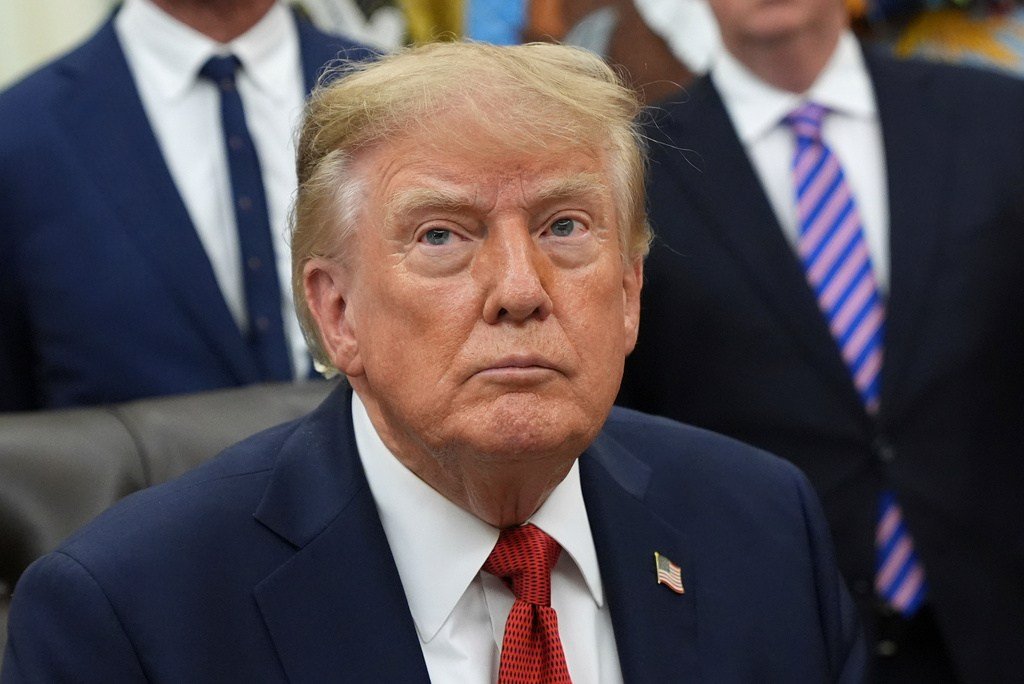
Justice Brett Kavanaugh amplified concerns about public confidence, noting, "If the apparent winner the morning after the election ends up losing due to late-arriving ballots, charges of a rigged election could explode." This argument echoes rhetoric from former President Donald Trump, who has repeatedly targeted extended ballot-counting periods since the 2020 election.
Divisions Within the Court and Broader Implications
Despite the prevailing skepticism, some fractures emerged within the conservative bloc. Chief Justice John Roberts questioned whether prohibiting late-arriving mail ballots might inadvertently threaten the legality of early in-person voting. Justice Amy Coney Barrett pressed both sides on historical context, while the court's liberal justices expressed frustration that the issue wasn't being resolved legislatively. Justice Ketanji Brown Jackson pointed to congressional inaction, noting only one relevant bill—the Make Elections Great Again Act—has been introduced to address receipt deadlines.
The case extends beyond civilian ballots. Twenty-nine states currently accept military and overseas ballots after Election Day, and a ruling against Mississippi could invalidate those provisions. A brief from the Vet Voice Foundation highlighted that military ballots proved decisive in the 2000 presidential election, with Democratic election lawyer Marc Elias noting wryly that under the RNC's theory, "Gore won." Justice Sonia Sotomayor suggested the nation "should have had another president" if the challengers' arguments were adopted.
Political Context and State-Level Impact
The debate occurs amid intense partisan polarization over voting rules. A survey by the conservative Honest Elections Project found 60% of respondents believe late-arriving mail ballots shouldn't be counted, with stark partisan divides: 80% of Republicans, 59% of independents, and 42% of Democrats holding that view. Fourteen states and the District of Columbia currently allow grace periods for regular ballots, including Texas—home to one of this cycle's most competitive Senate races where Democrats hope to flip seats in key battlegrounds.
Local election officials warned in a court brief that compressing timelines would disrupt election administration, noting mail voting involves processes that "require care and take time." They argued state legislatures tailor deadlines to local needs. Meanwhile, the legal battle unfolds against a backdrop of broader electoral strategy, as seen in high-stakes political advertising and ongoing bipartisan policy efforts on unrelated fronts.
Solicitor General D. John Sauer, defending Mississippi's law, faced pointed questions about potential abuses, including whether statutes could allow voters to submit ballots to third-party "harvesters" or return them weeks late if their decision was made on Election Day. The court's decision, expected by late June, will determine whether states retain flexibility in administering elections or must adhere to a strict Election Day receipt deadline—a ruling that could fundamentally alter the landscape of American voting.