Bipartisan Bill Targets Prediction Markets in Gambling Dispute
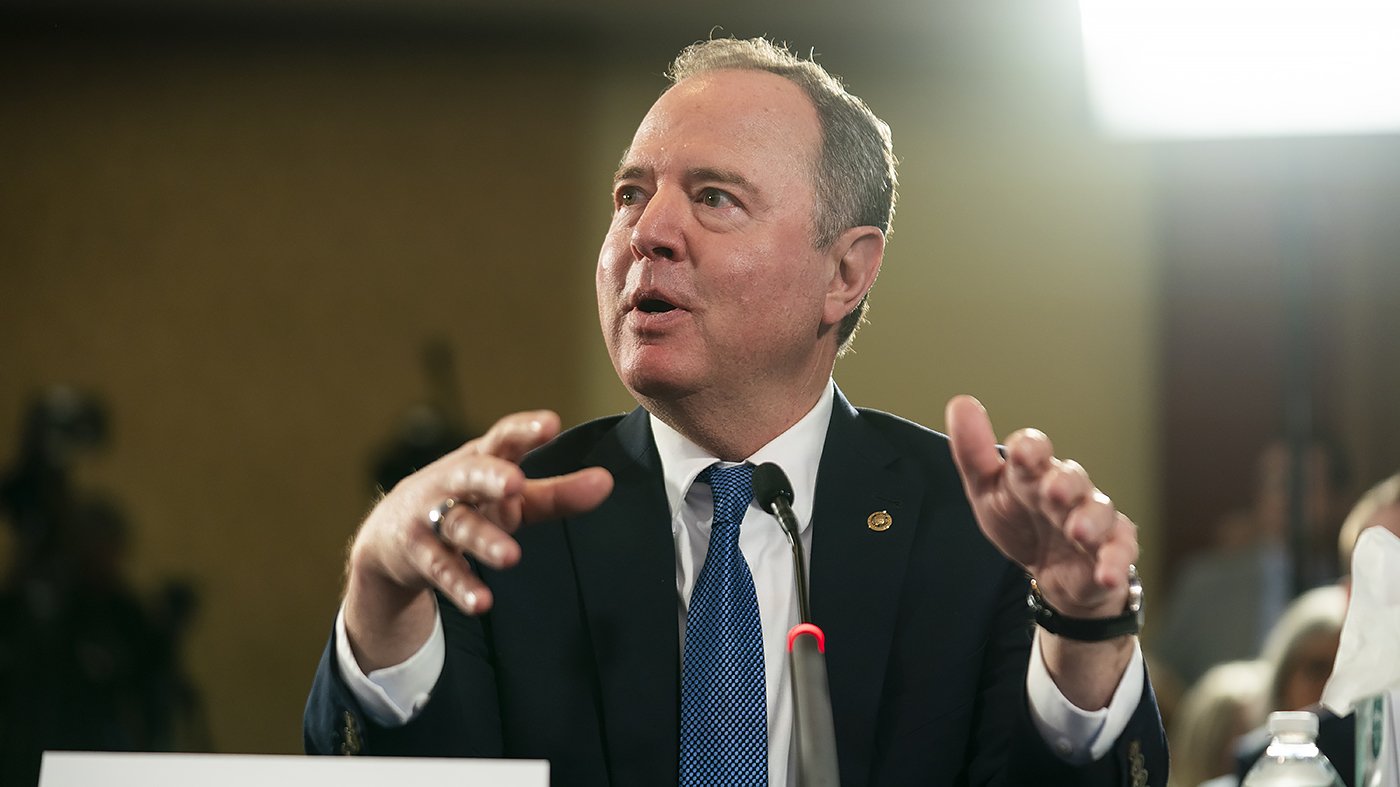
A new bipartisan Senate bill aims to explicitly ban sports betting and casino-style contracts on federally regulated prediction market platforms, escalating a growing conflict between state authorities and federal regulators. The legislation, introduced by Democratic Senator Adam Schiff of California and Republican Senator John Curtis of Utah, is titled the Prediction Markets Are Gambling Act.
The measure would prohibit entities regulated by the Commodity Futures Trading Commission (CFTC)—such as prediction market platforms Kalshi and Polymarket—from allowing wagers on sporting events or games of chance typically associated with casinos. This move directly challenges the CFTC's current stance that these markets fall under its federal jurisdiction.

Framing the Debate: Gambling Versus Legitimate Markets
In a statement, Senator Schiff argued the platforms are offering thinly disguised gambling. "Sports prediction contracts are sports bets — just with a different name," Schiff said. "And yet, these contracts have been offered in all fifty states in clear violation of state and federal law." He accused the CFTC of "greenlighting these markets and even promoting their growth" instead of enforcing existing prohibitions.
Senator Curtis framed the issue around state sovereignty and consumer protection, particularly for his constituents. "Too many young people in Utah are getting exposed to addictive sports betting and casino-style gaming contracts that belong under state control, not under federal regulators," Curtis stated. He added that the bill "clarifies regulatory jurisdiction, ensuring that states can maintain their authority over sports betting and casino gaming."
Regulatory Battle Lines Drawn
The bill arrives amid an intensifying legal and regulatory standoff. Prediction market companies maintain their products are distinct from gambling and operate legally under CFTC oversight. They have a powerful ally in newly confirmed CFTC Chair Mike Selig, who has vowed to defend federal jurisdiction against state-level challenges.
This federal posture has provoked strong reactions from state leaders. Utah Governor Spencer Cox, a Republican, has separately pledged to "use every resource within my disposal as governor of the sovereign state of Utah, and under the Constitution of the United States to beat [Selig] in court."
The issue has also split Republican lawmakers and policy circles. Two competing coalitions have recently formed:
- The Coalition for Prediction Markets, launched in December and advised by former House Financial Services Chair Patrick McHenry (R-N.C.), argues its federal framework is "under attack" and that a ban would push activity to unregulated platforms. A coalition spokesperson said, "The casino monopoly behind this bill does not care about consumer safety. They want to eliminate competition."
- Gambling Is Not Investing, launched this month and led by former Rep. Mick Mulvaney (R-S.C.), contends prediction markets are improperly circumventing state gambling laws.
The debate touches on broader themes of federalism, the scope of financial regulation, and the economic interests of established gambling industries. It also intersects with ongoing discussions about financial market stability and regulatory clarity in other sectors. The legislative push underscores how niche financial instruments can become flashpoints in larger political battles over state rights and regulatory authority, a tension also visible in disputes over issues like energy policy.
The bill's future is uncertain, but its introduction guarantees heightened scrutiny on the CFTC's oversight of prediction markets and sets the stage for a potentially protracted legal and legislative fight between federal and state powers.