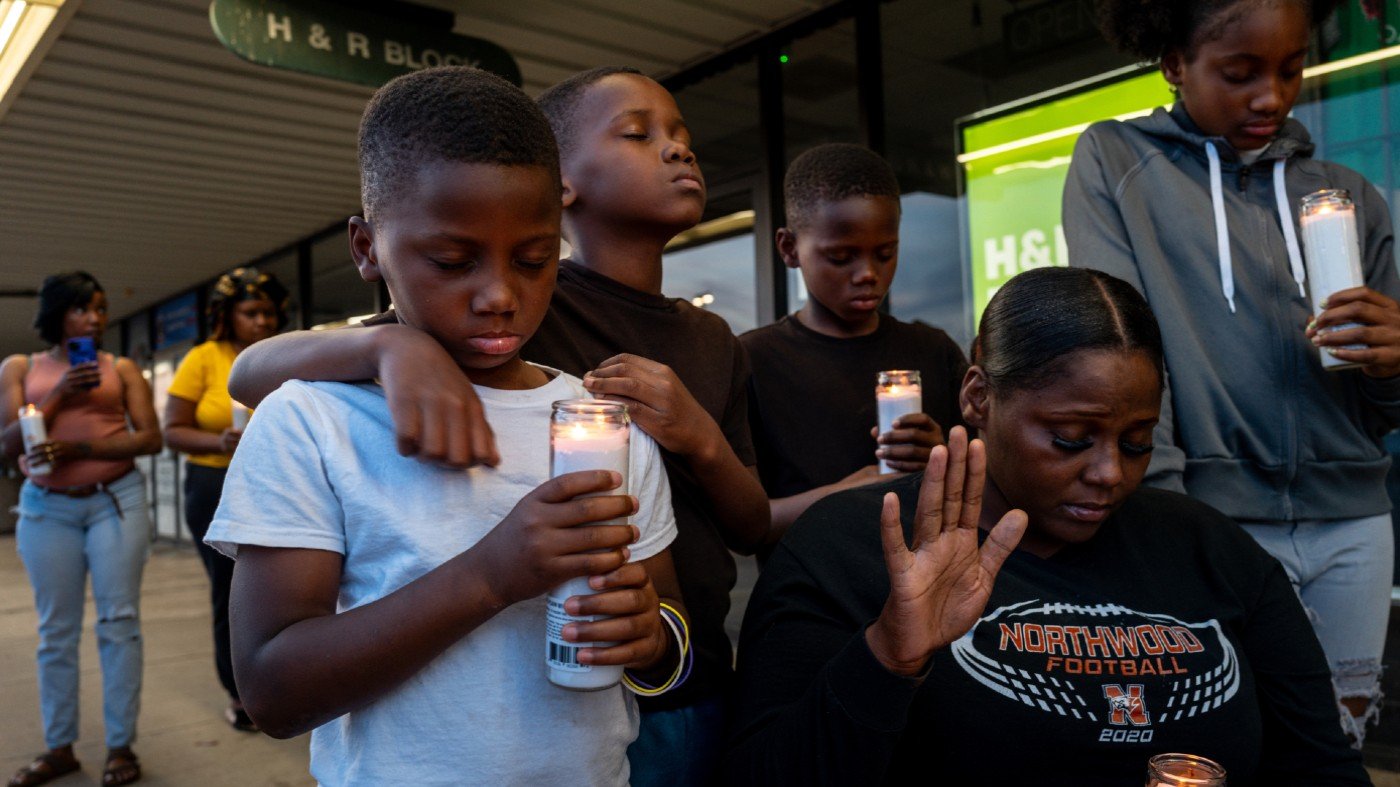
Last month's mass shooting in Louisiana, which claimed the lives of eight children, was widely described as stemming from a “domestic dispute.” Just days earlier, Virginia’s former lieutenant governor fatally shot his wife while their teenagers were present, reportedly amid divorce proceedings. These incidents underscore a grim pattern: nearly half of all mass shootings in the United States are connected to domestic violence.
For those working on family violence issues, the link is clear. What is often dismissed as a private matter can turn lethally public. Advocates emphasize that addressing this crisis is not about being anti-gun but about recognizing how domestic violence—which affects millions of Americans—becomes deadlier when firearm access is not properly managed.

Red Flags and Risk Indicators
Experts stress the need to identify warning signs early. While not all divorces or custody battles involve violence, the combination of ongoing litigation, access to firearms, and threats of self-harm or harm to others are proven indicators that safety planning is critical. The majority of women killed by intimate partners in the U.S. die from gunfire, and a woman is five times more likely to be killed by an abusive partner if he has access to a firearm, regardless of who owns the gun.
Firearm violence is also a leading cause of death among young people. Studies show that most children killed in mass shootings die at the hands of family members. A 2016 study found that over 1 million women have been shot or shot at by an intimate partner, and roughly 25 million U.S. adults have experienced firearm abuse from a partner.
Coercion Beyond Bullets
The mere presence of a firearm can be a tool of coercion, even if never fired. An abuser may leave a gun loaded on the dresser, clean it silently during arguments, or take children shooting against a partner’s wishes. Post-separation violence often escalates after a victim decides to leave, yet many victims try to manage the separation slowly to reduce the abuser’s sense of power loss—making the situation appear less dangerous to outsiders.
Family courts regularly make life-and-death decisions for some of the most at-risk families. Court-ordered parenting plans and settlements can include provisions for securing or removing firearms from the home, or restricting unsupervised time with children until guns are removed.
Life-Saving Interventions
Advocates can have critical conversations with clients about ways to prohibit dangerous individuals from purchasing firearms, ensure existing guns are turned in, or use voluntary, off-site firearms storage as a temporary option. Safety planning resources, childcare, safe housing, and programs to help abusive individuals change their behavior are also essential.
Contrary to the myth that firearms always increase personal safety, having a gun in a home where domestic violence occurs raises danger levels. California has shown how informing law enforcement and courts about these risks can improve implementation of policies that temporarily remove firearms during crises, significantly reducing homicide and suicide risks.
Engaging gun owners—most of whom support commonsense measures to protect adults and children—is vital. What is too often minimized as isolated family disputes are actually warning signs demanding evidence-based approaches to save lives. As Julia Weber, JD, MSW, and Mallika Kaur, director of the Domestic Violence and Gender-Based Violence Practicum at UC Berkeley School of Law, argue, too many adults, children, and communities are at risk for us to ignore effective steps where and when we can.
The broader political climate also plays a role. Recent debates over political rhetoric have drawn parallels to domestic violence dynamics. For instance, the unspoken link between heated political rhetoric and attempted violence highlights how normalization of aggression can spill over. Meanwhile, former White House officials have urged unity against rising political violence, underscoring the need for cross-sector action.