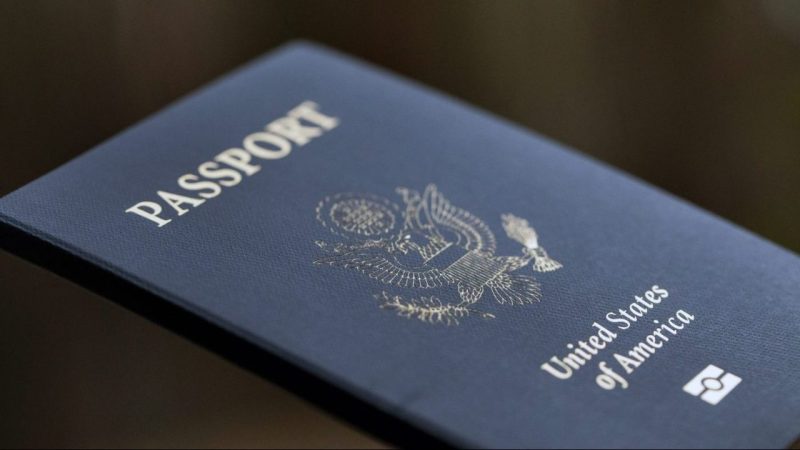
The State Department announced Thursday it will begin revoking passports from individuals with substantial child support arrears, signaling a major enforcement push under a long-dormant 1996 law.
Under the policy, parents who owe more than $2,500 in child support are ineligible to receive U.S. passports. The government can also strip existing passports from those who are delinquent. The move revives provisions of the Personal Responsibility and Work Opportunity Act, signed by President Bill Clinton in August 1996, which grants the Secretary of State authority to deny or revoke passports for unpaid child support.
“Any American with significant child support debt should arrange payment to the relevant state or states now to prevent passport revocation,” the State Department said in a statement. “Once a passport is revoked, it may no longer be used for travel. Eligibility for a new passport will only be restored after child support debt is paid to the relevant state child support enforcement agency and the individual is no longer delinquent according to HHS records.”
The department did not specify an exact start date, but the Associated Press reported that enforcement will begin Friday, focusing first on individuals who owe $100,000 or more. The Hill has reached out to the State Department for confirmation.
The revocation process will be conducted jointly with the Department of Health and Human Services (HHS), which will supply data on missed payments exceeding the $2,500 threshold. It remains unclear how many people will be affected nationwide.
Assistant Secretary for Consular Affairs Mora Namdar emphasized the administration’s commitment to cross-agency cooperation. “We are expanding a commonsense practice that has been proven effective at getting those who owe child support to pay their debt,” Namdar said in a social media statement Thursday. “Under @POTUS and @SecRubio leadership, we are working across agency lines to ensure American children receive the support they need and deserve. Once parents resolve their debts, they can once again enjoy the privilege of a U.S. passport.”
The move comes amid broader policy discussions about family support and federal enforcement mechanisms. In a related development, a bipartisan bill seeks federal bereavement leave for parents who lose a child, reflecting ongoing legislative attention to family welfare.
Critics have questioned why the 1996 law was rarely enforced until now, while supporters argue the crackdown will compel delinquent parents to meet their obligations. The State Department’s announcement also follows a pattern of increased interagency coordination on domestic policy issues.
For context, the Trump administration has previously explored using passport restrictions as a leverage tool in other areas, such as shadow diplomacy efforts that replaced traditional State Department roles. However, this child support initiative is distinct in its direct impact on American citizens’ travel rights.
The State Department advises anyone with outstanding child support to contact their state enforcement agency immediately to avoid losing their passport. Once debt is resolved, individuals can apply for a new passport, but eligibility is only restored after HHS confirms they are no longer delinquent.