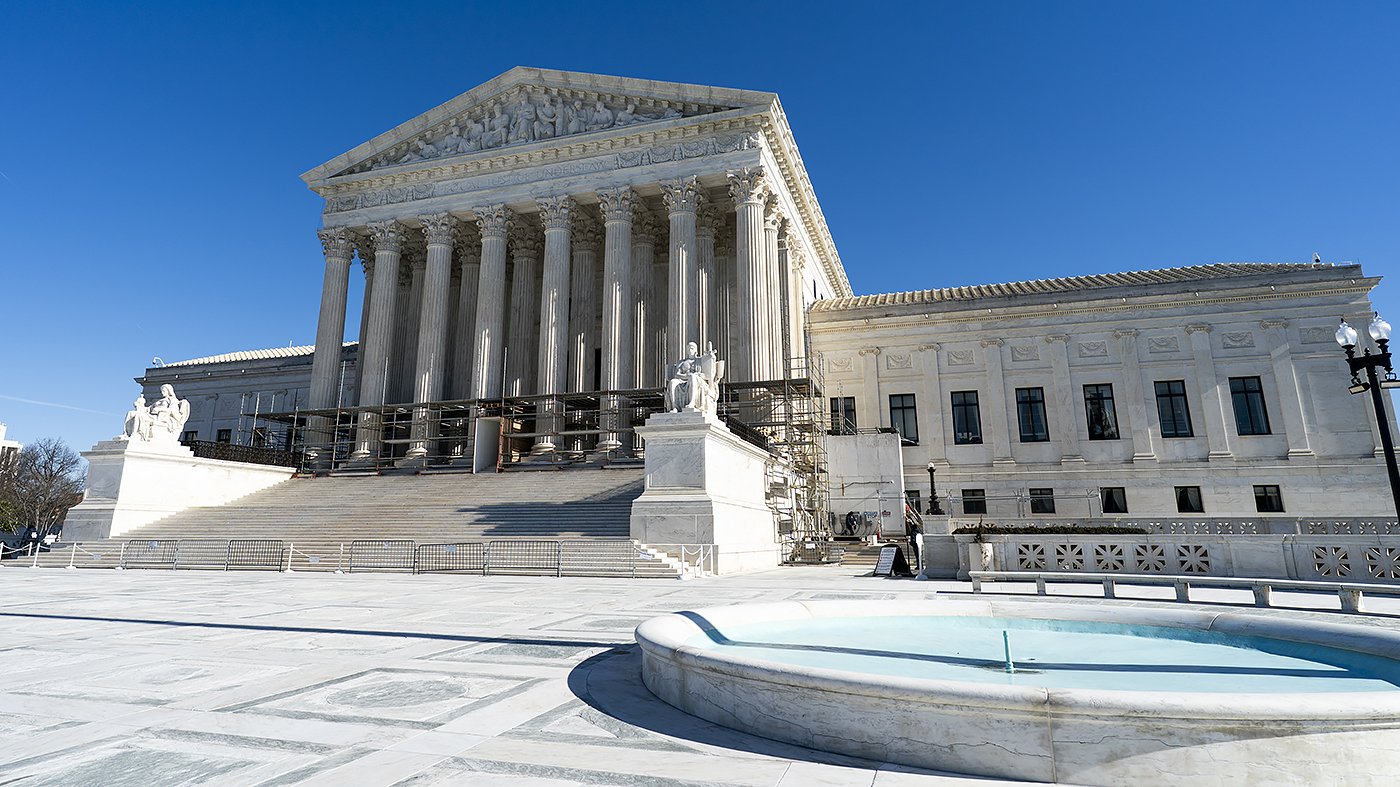
The U.S. Supreme Court has extended qualified immunity to a Vermont law enforcement officer who forcibly removed a demonstrator from the state House floor a decade ago, blocking a lawsuit that accused him of using excessive force. The unsigned ruling, which reversed a lower court's decision to allow the case to proceed to trial, reflects the court's ongoing deference to the legal shield protecting government officials from civil liability.
A Decade-Old Protest and a Wristlock
The case originated in 2015 during a sit-in protest in the Vermont House of Representatives chamber, coinciding with the governor's inauguration. Demonstrator Shela Linton and others refused orders to leave. Court records indicate that when Linton would not stand, Sergeant Jacob Zorn applied a rear wristlock to bring her to her feet. Linton subsequently filed a civil rights lawsuit, arguing the maneuver violated her Fourth Amendment protection against unreasonable seizure and constituted excessive force.
The legal doctrine of qualified immunity generally protects government officials from personal liability unless they violate a constitutional right that was "clearly established" at the time of the incident. A federal appeals court had ruled that the case could go to trial, citing precedent that the "gratuitous" use of a rear wristlock on a passively resisting protester could be considered excessive force.
Court Finds Right Not "Clearly Established"
The Supreme Court, however, overturned that ruling. In its brief order, the majority concluded that existing legal precedents "did not clearly establish that Zorn’s specific conduct violated the Fourth Amendment." This finding hinges on the high bar the court has set for proving an official should have known their actions were unconstitutional, a standard that has made it increasingly difficult for plaintiffs to overcome qualified immunity claims.
The decision appeared to follow the court's familiar ideological divide, with the six conservative justices forming the majority and the three liberal justices dissenting. The liberal bloc argued the case should have been permitted to continue to a jury trial to determine the facts surrounding the officer's use of force.
A Scathing Dissent from the Liberal Wing
Justice Sonia Sotomayor, joined by Justices Elena Kagan and Ketanji Brown Jackson, issued a published dissent criticizing the majority's intervention. Sotomayor accused her colleagues of applying a "one-sided approach" to qualified immunity, routinely intervening to shield officers but rarely doing so for plaintiffs alleging rights violations.
"The majority today gives officers license to inflict gratuitous pain on a nonviolent protestor even where there is no threat to officer safety or any other reason to do so," Sotomayor wrote. She argued the ruling was "plainly inconsistent with the Fourth Amendment’s fundamental guarantee that officers may only use 'the amount of force that is necessary' under the circumstances." This dissent underscores the deepening judicial conflict over the scope of police authority and accountability, a debate that extends to other contentious areas like election administration and voting procedures.
Broader Implications for Protest and Policing
The ruling reinforces the substantial legal protections afforded to law enforcement, even in encounters with nonviolent, passively resisting individuals. It signals to lower courts that they must find an almost identical prior case to deny immunity, potentially limiting avenues for civil redress. This legal landscape exists alongside other operational pressures on security agencies, such as the staffing and morale crises periodically facing the Department of Homeland Security and its components.
The decision also arrives amid persistent national debates over protest rights, police conduct, and judicial philosophy. By preventing this case from reaching a trial, the Supreme Court has curtailed a potential opportunity to further define the boundaries of acceptable force against demonstrators engaged in civil disobedience. The ruling leaves in place a legal framework that critics argue insulates officers from accountability, while proponents maintain it is necessary for officials to perform their duties without constant fear of litigation.