White House Signals Support for GOP Homeland Security Funding Compromise
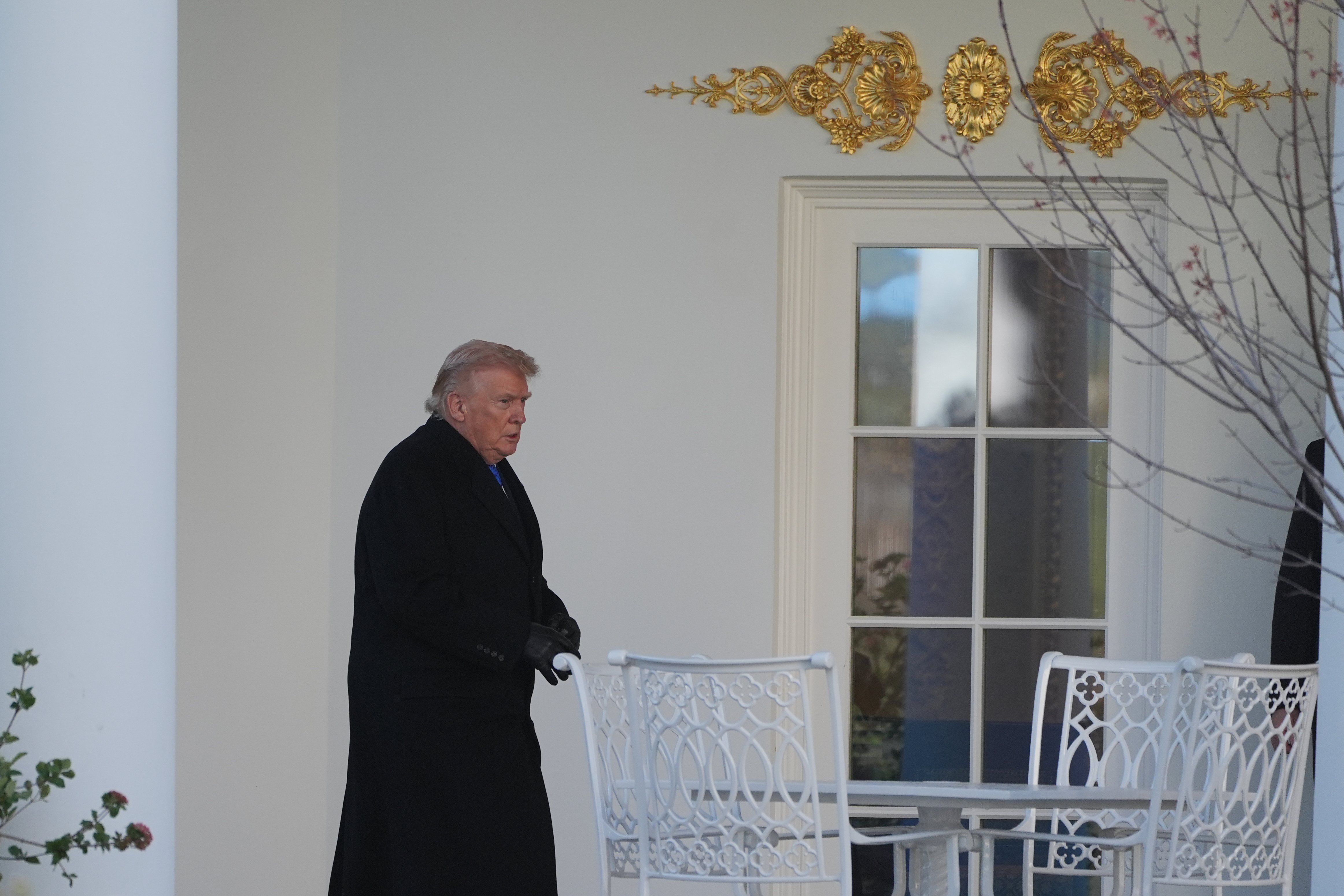
The White House confirmed Tuesday that President Donald Trump has agreed to support an emerging Republican plan to fund the Department of Homeland Security (DHS) while temporarily separating funding for Immigration and Customs Enforcement (ICE) removal and enforcement operations. This marks a significant tactical shift for the administration, which had previously insisted on linking DHS funding to the passage of the broader SAVE America Act, a major election and immigration legislative package.
A Path Through Reconciliation
The proposed solution, discussed in a meeting between Trump and Senate Republicans on Monday, involves using the budget reconciliation process to advance funding for ICE alongside components of the SAVE Act. This procedural maneuver would allow the measures to pass the Senate with a simple majority, bypassing the need for Democratic votes. A White House official described the arrangement as "an acceptable solution," while noting that negotiations are ongoing.
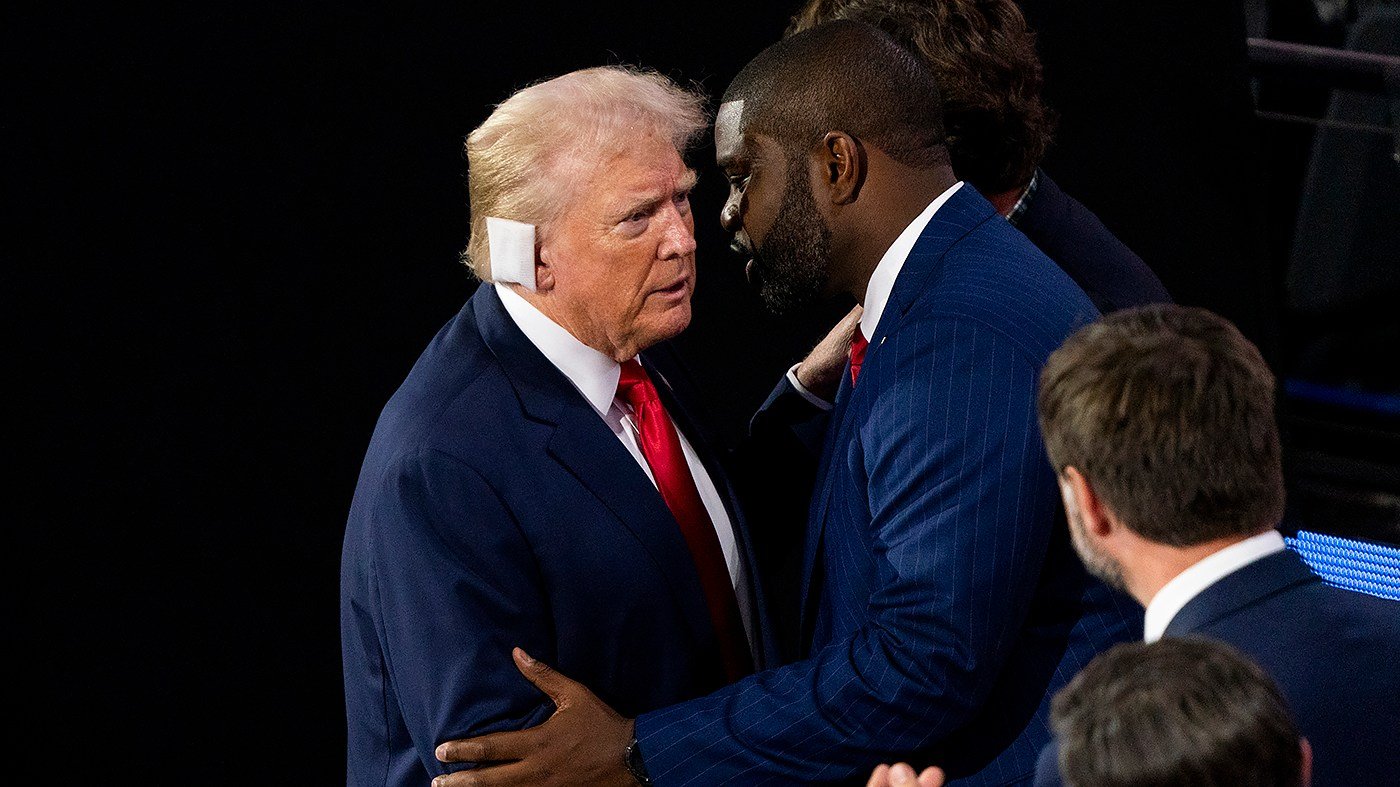
Senator Katie Britt (R-Ala.), who chairs the Senate Homeland Security Appropriations Subcommittee, expressed confidence after the meeting. "We do," Britt told reporters when asked if Republicans now have a viable path to end the funding impasse. She indicated the group felt they were in a "pretty good spot" with the president following lengthy discussions.
Reversing Course on a Core Demand
The development represents a notable reversal for Trump. Just hours before the Monday meeting, he had publicly urged lawmakers to cancel Easter recess to stay in Washington and vote on a combined package tying DHS funding directly to the SAVE Act. His new stance suggests a pragmatic concession to break a stalemate that has left DHS unfunded for months, causing operational chaos. This pattern of shifting positions is not isolated; the administration has recently faced scrutiny over contradictory claims on Iran negotiations as well.
The prolonged shutdown has severely impacted airport security operations nationwide. Transportation Security Administration (TSA) officers, who have gone without pay, have staged sickouts, leading to massive security line delays. In a stopgap measure, the administration has begun deploying ICE agents to assist with airport screening duties—a diversion of personnel from their primary immigration enforcement roles.
Broader Immigration Policy Context
This funding battle occurs against a backdrop of intense legal and political fights over immigration policy. The Supreme Court is currently examining the administration's border asylum policies, even as Trump moves to install new leadership at DHS. The decision to potentially decouple ICE enforcement funding from the main DHS appropriations bill is a strategic gamble, aiming to secure the agency's overall operations while leaving a contentious political fight over removal actions for a separate, partisan vote.
The compromise indicates a Republican desire to resolve the visible crises at airports before the shutdown reaches its 39th day. However, it postpones a definitive legislative showdown on the full scope of the SAVE Act, which includes sweeping voting and immigration provisions. The administration's approach to crisis management is under simultaneous examination in other areas, including reports that the Trump administration is halting key disaster tracking programs at FEMA.
If the plan proceeds, the Senate would move quickly to pass the clean DHS funding bill while preparing the reconciliation package for ICE and the SAVE Act provisions. Success is not guaranteed, as the strategy requires unified Republican support in both chambers. The outcome will test the GOP's ability to govern amid internal divisions and set the stage for the next phase of the immigration debate, which continues to define Trump's presidency and its impact on democratic institutions.