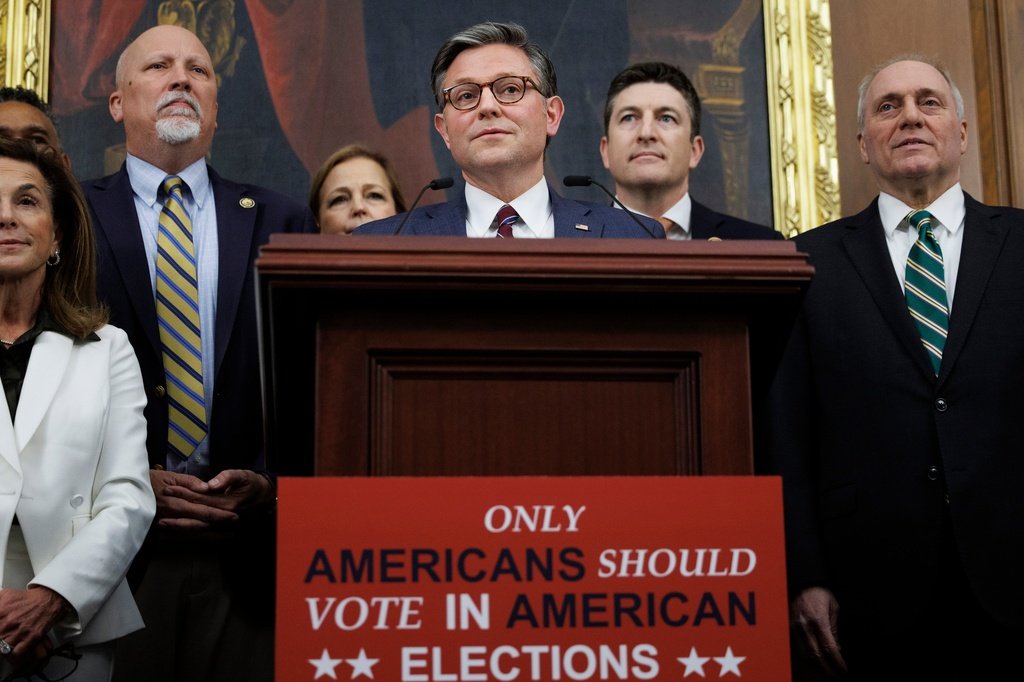
Congress has entered its second week of intense debate over controversial voting legislation that critics describe as a solution in search of a problem. The Safeguard American Voter Eligibility Act, known as the SAVE America Act, has become a central political battleground despite having little chance of passage in its current form.
Legislative Loyalty Test
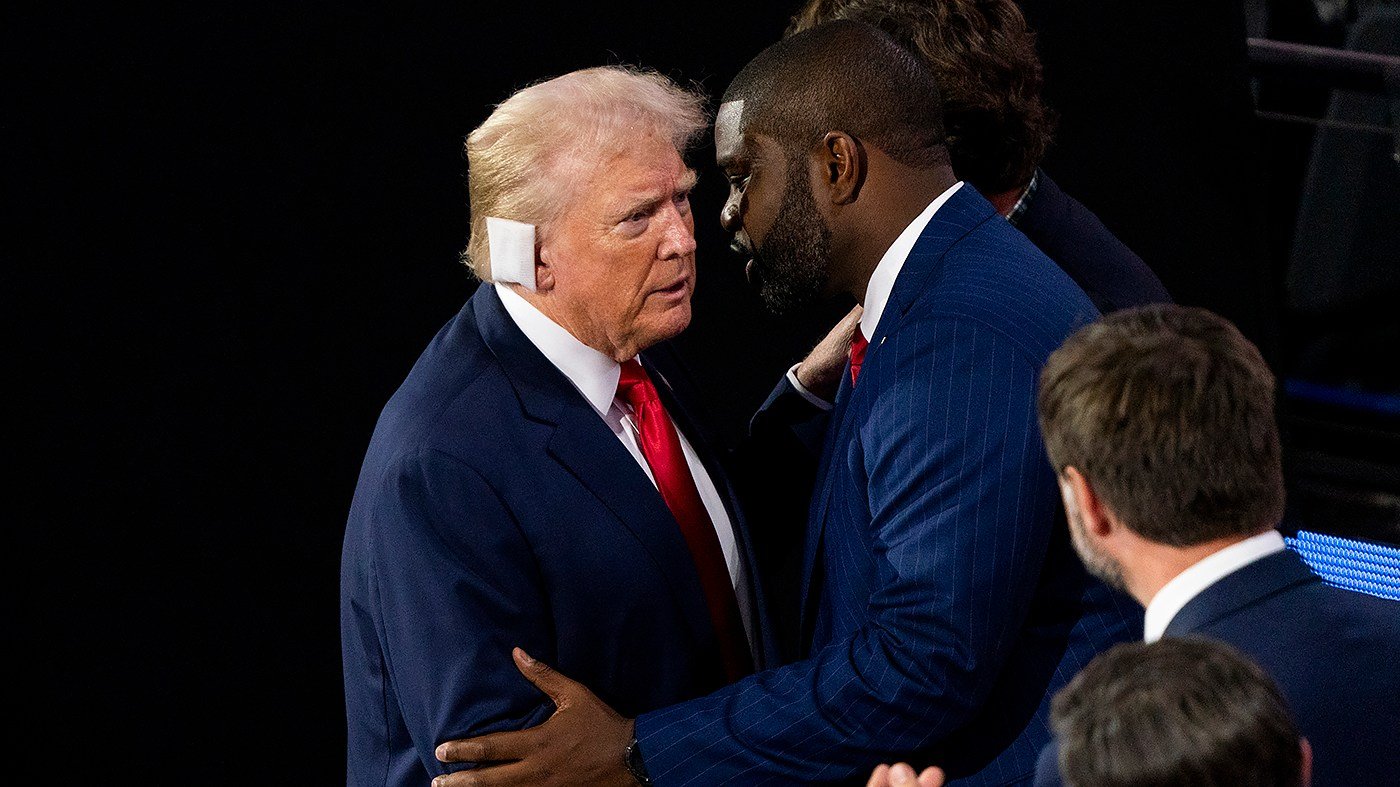
The bill has emerged as a loyalty test for Republican lawmakers, with former President Donald Trump declaring it "one of the most IMPORTANT & CONSEQUENTIAL pieces of legislation in the history of Congress, and America itself." Trump has vowed to withhold endorsements from any Republican who votes against the measure, while billionaire Elon Musk has claimed that failure to pass it "would be the end of democracy in America." This pressure comes as the legislation faces a critical Senate showdown that has consumed Washington's attention.
Addressing Unsubstantiated Claims
The legislation is built upon claims that have been repeatedly debunked by courts and independent investigations: that massive voter fraud occurred in the 2020 election, that millions of non-citizens vote regularly, and that mail-in voting systems are systematically compromised. Despite no evidence supporting these assertions, the SAVE America Act would implement sweeping changes to American voting procedures.
The bill would require in-person voter registration with proof of citizenship—either a passport, birth certificate, or Real ID—mandate voter identification at polling places, and effectively eliminate universal mail-in voting. These requirements would create new barriers for millions of Americans across the political spectrum.
Unintended Consequences for Republicans
Analysis reveals that the legislation's provisions would disproportionately affect Republican constituencies. Approximately half of Americans lack passports and would need to pay for them. Millions, particularly older citizens, do not have ready access to birth certificates. In-person registration would disadvantage disabled individuals and rural residents—groups that lean Republican. Women who changed their names after marriage, another Republican-leaning demographic, would face additional documentation hurdles.
The prohibition on universal mail voting represents perhaps the most politically counterproductive element. Eight states and Washington D.C. currently conduct elections entirely by mail with minimal fraud. Historically, Republican campaigns have excelled at mail-in voting operations, often building early leads through absentee ballots. Former House Speaker Kevin McCarthy warned Trump in 2020 that opposing mail voting could disadvantage Republicans, stating the party could be "screwed" and "lose based on that."
Broader Political Context
The voting rights debate occurs alongside other contentious legislative battles, including a stalled Department of Homeland Security funding bill that has created additional complications. Trump has even urged Republican senators to cancel their Easter recess to advance voter identification measures, highlighting the priority his movement places on this issue.
Political observers note the legislation's advancement reflects Congress's diminished role in setting policy, with lawmakers increasingly deferring to presidential preferences rather than exercising independent judgment. The extended debate over a bill with little chance of passage raises questions about legislative priorities amid pressing national concerns.
Democratic Backlash and Future Implications
Democratic opposition has been unified, with critics arguing the legislation would undermine voting rights without addressing genuine electoral concerns. The party has focused attention on what it characterizes as Republican efforts to restrict ballot access rather than expand it.
Should the SAVE America Act somehow pass, its implementation would likely face immediate legal challenges and could reshape electoral dynamics in unexpected ways. The legislation's potential to disenfranchise Republican voters represents a significant political miscalculation for a party already facing challenges in maintaining its coalition. The debate continues as lawmakers weigh political loyalty against practical governance and electoral self-interest.