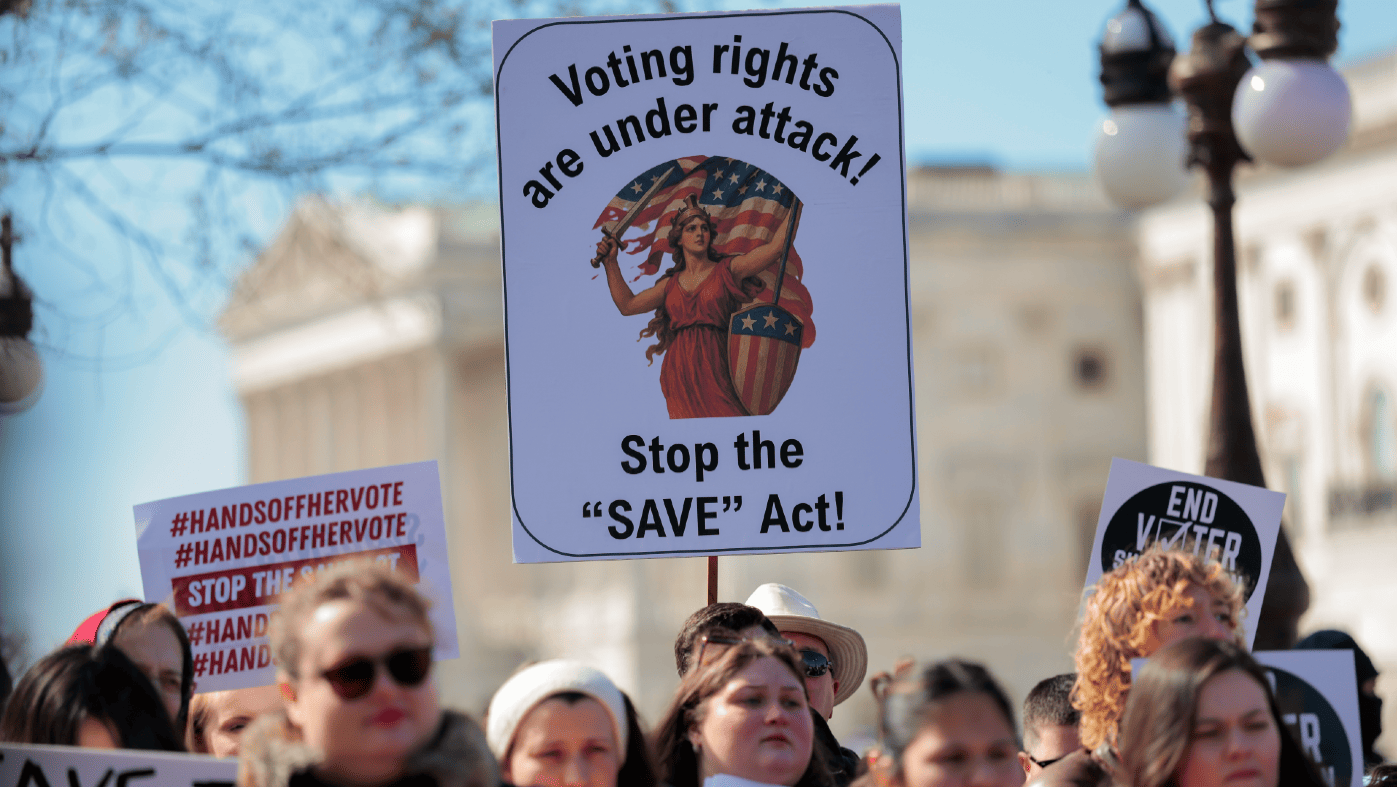
The Senate has begun formal debate on the Safeguard American Voter Eligibility Act, a legislative priority for former President Donald Trump that would fundamentally alter federal election administration. The bill, which passed the House on a narrow vote, faces steep odds in the upper chamber where it lacks the 60 votes needed to overcome a filibuster.
Core Provisions and Historical Parallels
The legislation would mandate that all voters provide documentary proof of citizenship to register and present photo identification at polling places. It would require states to share their voter registration databases with the Department of Homeland Security, a provision that has raised significant privacy concerns among civil liberties groups. Additionally, the measure would severely restrict mail-in voting and registration, methods Trump has repeatedly criticized since the 2020 election.
Critics of the bill draw direct comparisons to historical voter suppression tactics, noting that after the ratification of the 15th Amendment, Southern states implemented literacy tests and poll taxes to disenfranchise Black citizens. They argue the new requirements would disproportionately affect minority voters, new citizens, and women—groups that studies show are less likely to have current identification matching their legal names. A 2023 University of Maryland survey found approximately 9% of voting-age citizens lack paper proof of citizenship.
Political Calculations and Internal Divisions
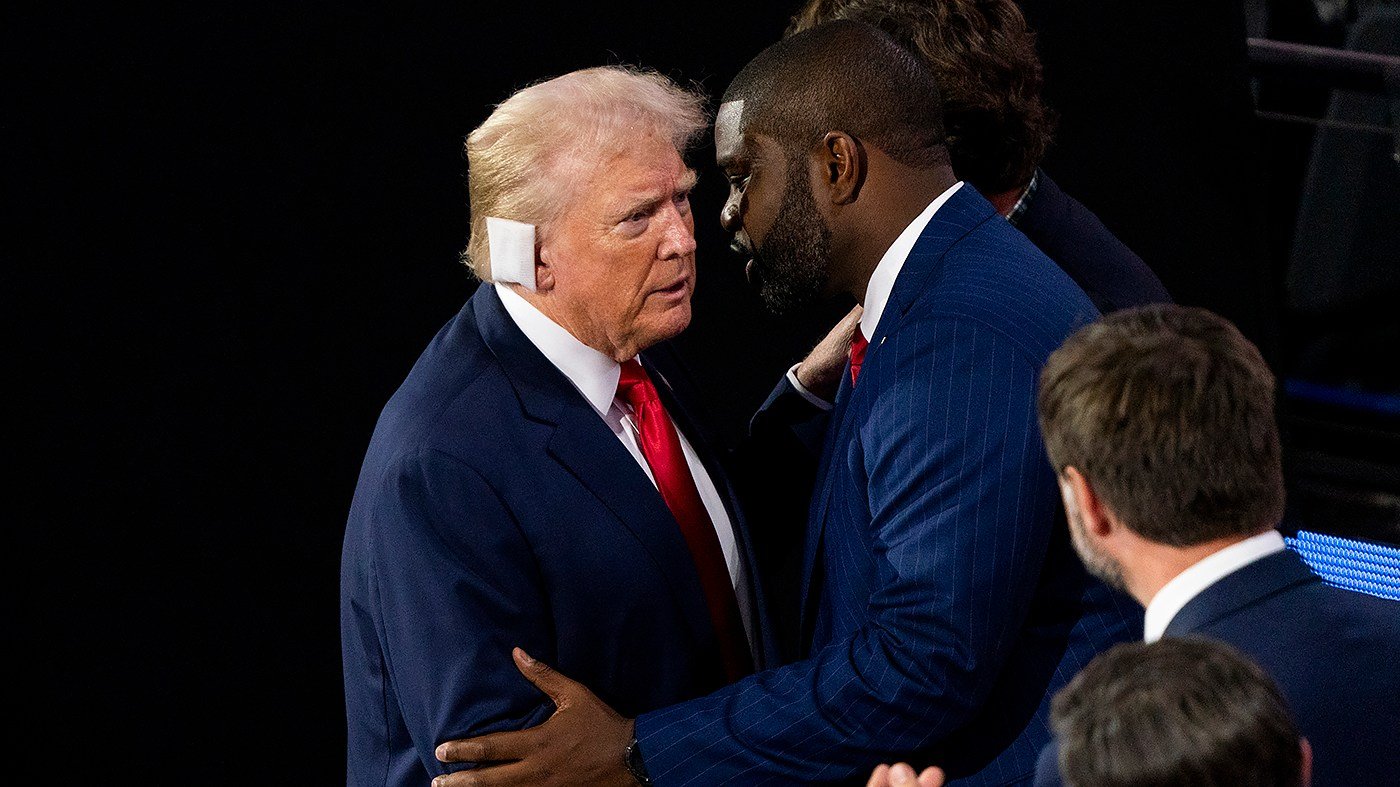
Trump has invested substantial political capital in the measure, telling lawmakers it would "guarantee the midterms" for Republicans and declaring that Democrats oppose it "because they know if we get this, they probably won't win an election for 50 years." He has vowed to withhold endorsements from any Republican who votes against it and has demanded the bill be expanded to include controversial provisions restricting transgender athletes and gender-transition care for minors.
However, internal Republican analysis suggests the legislation might actually harm the party's electoral prospects. The Washington Post found that in congressional districts where at least 5% of residents would need to re-register under the new rules, more Republican-held seats are competitive than Democratic ones. Former McConnell counsel Michael Fragoso has warned that adding registration barriers could depress turnout among voters who typically participate only in general elections, not off-year contests.
The Senate voted 51-48 to proceed with debate, with only Republican Senator Lisa Murkowski of Alaska joining Democrats in opposition. "If you don't think that you can win on it, why are you going into this debate in the first place?" Murkowski asked publicly. Senate Majority Leader John Thune acknowledged the bill lacks sufficient support but proceeded with what he called "a fulsome debate." Some Republicans had urged Thune to force Democrats to sustain a talking filibuster, but he dismissed the strategy as unlikely to succeed.
Legal Context and Broader Implications
The push for the legislation stems from Trump's persistent but unsubstantiated claims that widespread non-citizen voting cost him the 2020 election. Dozens of legal challenges alleging systemic fraud have been rejected by courts across the country. Voting by non-citizens in federal elections is already illegal, leading opponents to question the necessity of the new requirements.
The bill's potential impact extends beyond voting procedures. The requirement for states to share voter data with DHS represents a significant expansion of federal involvement in election administration, traditionally a state responsibility. This comes amid broader debates about civil rights enforcement, as seen in recent actions like the HHS investigations into state abortion conscience laws and the Education Department's dual probes into Harvard admissions.
Trump's focus on this legislation occurs alongside other foreign policy challenges. Recent polling shows a majority of Americans believe the U.S. position in the Iran conflict is deteriorating, and the administration's $200 billion in Iran war funding has faced scrutiny as an "America First" industrial policy. Meanwhile, technological changes are creating new forms of exclusion, with app-only services deepening class divides in American life.
With the legislation unlikely to pass, the debate serves primarily as a political marker ahead of the upcoming elections. Trump has declared that "only sick, demented, or deranged people" would oppose the measure, applying maximum pressure on his party even as practical political calculations suggest the effort may be counterproductive. The Senate debate will continue, but the bill appears destined to become another flashpoint in the nation's ongoing conflict over voting rights and election integrity.