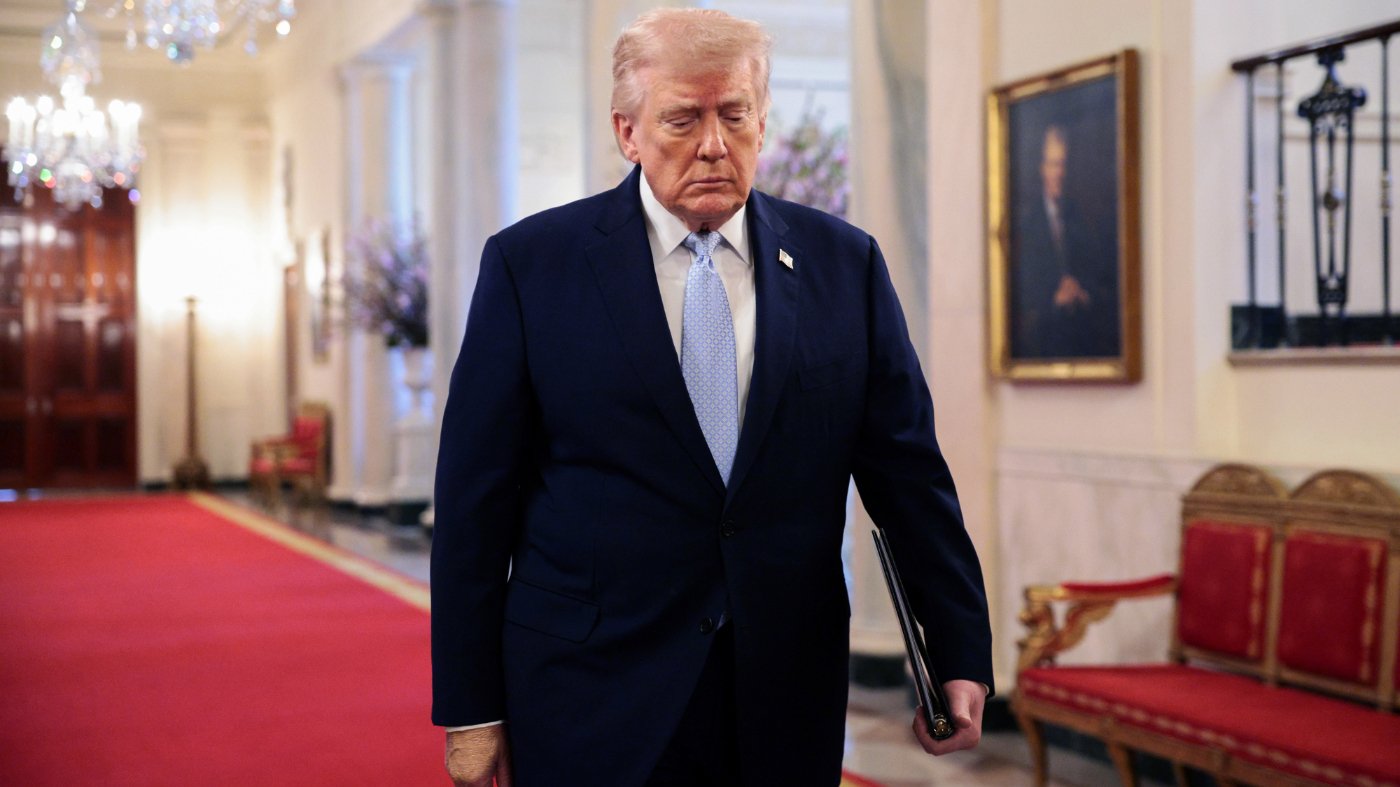
President Donald Trump is presiding over a second term marked by a profound disconnect with the American public, as his administration fails to deliver on the central promises of his 2024 campaign. With approval ratings mired in the low 40s, the president is governing without the broad consent of the electorate, particularly on the issues voters cited as their top priorities: economic stability, immigration enforcement, and avoiding new military entanglements.
Core Campaign Promises Unmet
Voters returned Trump to office with a clear mandate to tackle inflation, restore pre-pandemic economic conditions, deport undocumented immigrants with criminal records, and keep the nation out of protracted foreign conflicts. On all fronts, his record shows failure. His tariff policies have contributed to higher consumer prices rather than relief, while aggressive immigration enforcement has shifted from targeted removals to indiscriminate operations that sow fear in communities. Most consequentially, the president initiated a conflict with Iran, a war of choice that contradicts his pledge of non-intervention.
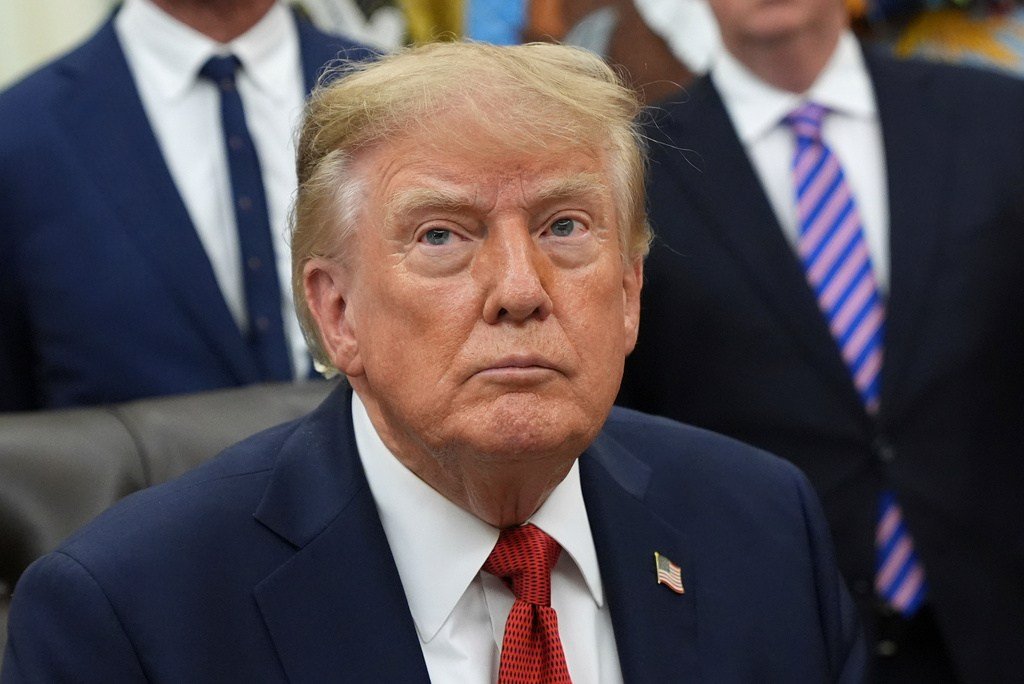
This pattern mirrors the denial of reality that characterized his first term's response to the COVID-19 pandemic. Then, he publicly predicted a swift return to normalcy against known scientific advice. Now, he claims "prices were plummeting downward" in his recent State of the Union address, a statement starkly at odds with the experiences of consumers facing high costs at grocery stores and gas pumps. The tangible reality of rising fuel prices serves as a daily, visible rebuke to his assertions.
Defining Images of an Administration
Presidencies are often encapsulated by enduring public images. For Trump's second term, those images have crystallized: federal immigration agents conducting street operations, masked ICE officials patrolling airports, detained children in holding facilities, and the return of American casualties from the Middle East. These visuals dominate the national consciousness and frame his presidency.
The political consequences are severe and measurable. Hispanic voters who supported him in 2024 are abandoning the GOP in states like Texas, repelled by the administration's immigration tactics. Crucially, independent voters—the decisive bloc in national elections—disapprove of his performance by a margin of two-to-one. His coalition is fracturing from within; only one in four Republicans approves of his handling of Iran, and analysis shows young, non-white, and low-income members of his base are significantly more likely to disapprove of his job performance than other Republicans.
No Path to Political Recovery
Historically, presidents with low ratings can recover by successfully changing the national conversation. Ronald Reagan refocused on foundational values after Iran-Contra, and Bill Clinton pivoted to centrist themes after the 1994 midterms. Presidents who cannot shift public attention face political paralysis. Lyndon Johnson was trapped by Vietnam, Richard Nixon by Watergate, and Joe Biden by the Afghanistan withdrawal.
Trump finds himself in the latter category, unable to steer discussion away from persistent inflation, controversial immigration enforcement, and the ongoing conflict with Iran. Despite recent pauses in military action and diplomatic overtures, the subject remains fixed on his shortcomings. He continues to sell an idealized version of reality, but it clashes irreconcilably with the lived experience of voters.
For the remainder of his term, Trump retains the formal powers of the presidency—veto authority, executive orders, command of the military. However, he exercises these powers without the foundational element of democratic governance: the consent of the governed. As Abraham Lincoln noted, public sentiment is everything. Without it, no administration can truly succeed.
The conclusion is inescapable. While he remains in office, Donald Trump's presidency, in terms of political viability and public mandate, is effectively over. The coalition that elected him has crumbled under the weight of unmet promises, and no rhetorical pivot appears capable of restoring his diminished standing.