The Senate enters a critical week with two major legislative battles at a standstill: the controversial Safeguard American Voter Eligibility (SAVE America) Act faces almost certain defeat, while negotiations to fund the Department of Homeland Security remain broken. Both issues are creating significant pressure on Republican leadership with a two-week recess looming.
Voter ID Bill Lacks Democratic Support
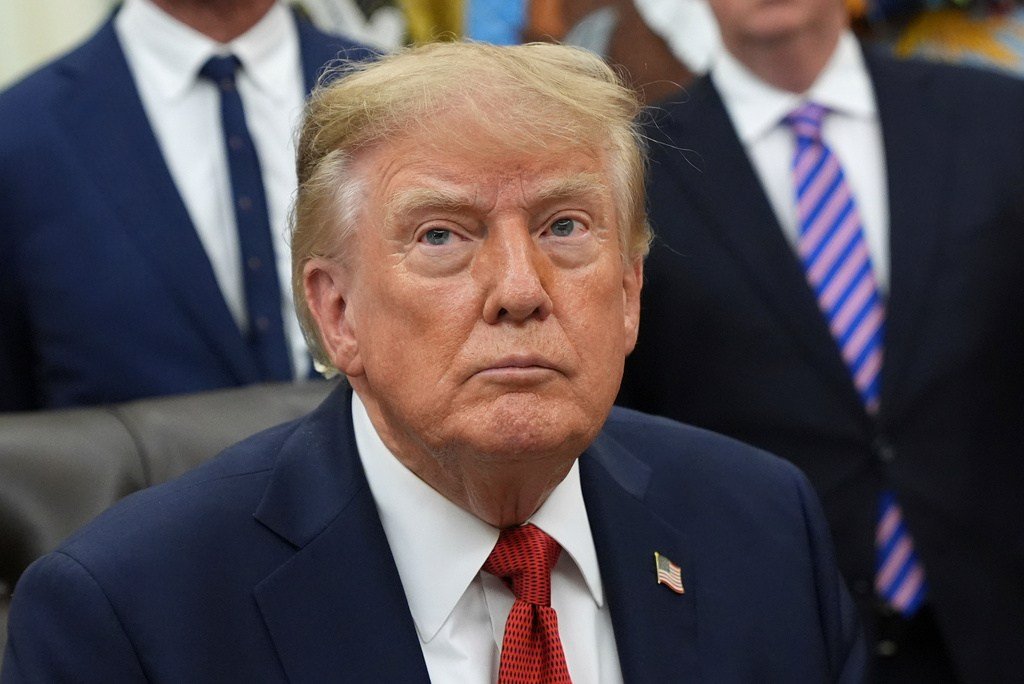
The SAVE America Act, which would mandate proof of citizenship for voter registration and photo identification to cast a ballot, is entering its second week of floor debate. Despite intense pressure from former President Donald Trump and his conservative allies, the legislation lacks the Democratic support needed to overcome a filibuster. Trump has labeled the bill as historically important and threatened to withhold support from any Republican who opposes it, arguing it is essential for election security.
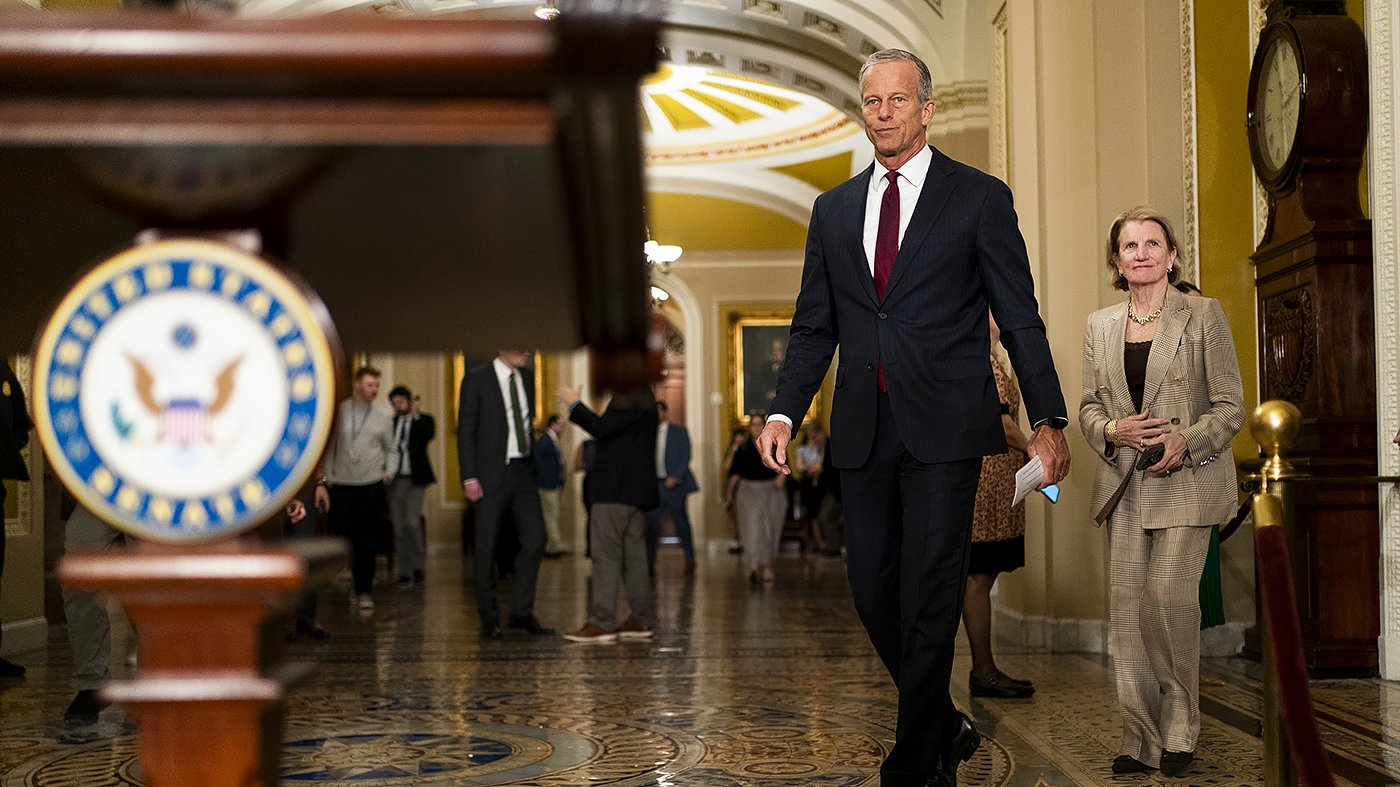
Senate Majority Leader John Thune faces mounting pressure from House Republicans and the party's base to deliver a victory. Some conservatives have urged Thune to employ a "talking filibuster" tactic to bypass Democratic obstruction, but Thune has dismissed the move as overly complicated and risky. He has instead signaled that Republicans will use Democratic opposition as a campaign issue, telling Fox News the policy is about ensuring "the right people" can vote.
Senator Mike Lee warned that failure to pass the bill could depress Republican turnout in November. However, internal skepticism exists. Senator Shelley Moore Capito noted publicly that leadership has acknowledged they "do not have the votes to pass this." The bill's expected failure was underscored when Senate Democrats defeated a Republican amendment to ban transgender athletes from women's sports, an issue the GOP plans to highlight in the midterms.
DHS Funding Deadlock Persists
Simultaneously, the White House and Senate Democrats have reached an impasse over a deal to fund DHS, leaving critical agencies like ICE and TSA in a prolonged state of budgetary uncertainty. Centrist Democrats, including Senator John Fetterman, have broken ranks to support House-passed funding measures, but the broader caucus has repeatedly blocked them.
The White House attempted to break the logjam with a counterproposal that included expanded use of body cameras for immigration officers and limits on operations near sensitive locations like schools. However, Senate Democrats rejected the offer, saying it failed to meet key demands such as a ban on face coverings for officers and a warrant requirement for entering private property. A meeting between centrist Democrats and White House border coordinator Tom Homan last week failed to bridge the gap.
This funding crisis is unfolding as the U.S. military faces mounting strain from the ongoing conflict with Iran, a situation that places additional operational pressure on national security agencies awaiting stable budgets.
Confirmation and Confrontation
Amid the turmoil, the Senate is scheduled to hold a final confirmation vote for Senator Markwayne Mullin to lead the Department of Homeland Security. His potential ascension to the role comes as the agency he would command remains unfunded, a stark illustration of the political dysfunction gripping Washington.
The legislative paralysis has broader implications. Some House Republicans have vowed to vote against any Senate-passed bills until the SAVE America Act is approved, threatening a wider government shutdown. Furthermore, the unresolved issues of voter integrity and border security speak directly to unfulfilled promises that risk fracturing the Republican coalition ahead of the elections.
The week's tensions also reflect deeper foreign policy divides, as House Democrats plan to force another vote on a war powers resolution concerning Iran, following the previous resolution's narrow defeat. The debate over America's role in the conflict, where public perception of the U.S. position is deteriorating, continues to split both parties, as seen in the recent Georgia runoff debate where candidates clashed over Iran and the economy.
With the recess deadline approaching, Leader Thune's ability to manage these concurrent crises will test his control over the caucus and define the Republican agenda heading into the high-stakes midterm campaign season.