Judge Rejects Bid to Dismiss Musk Advisory Role Lawsuit
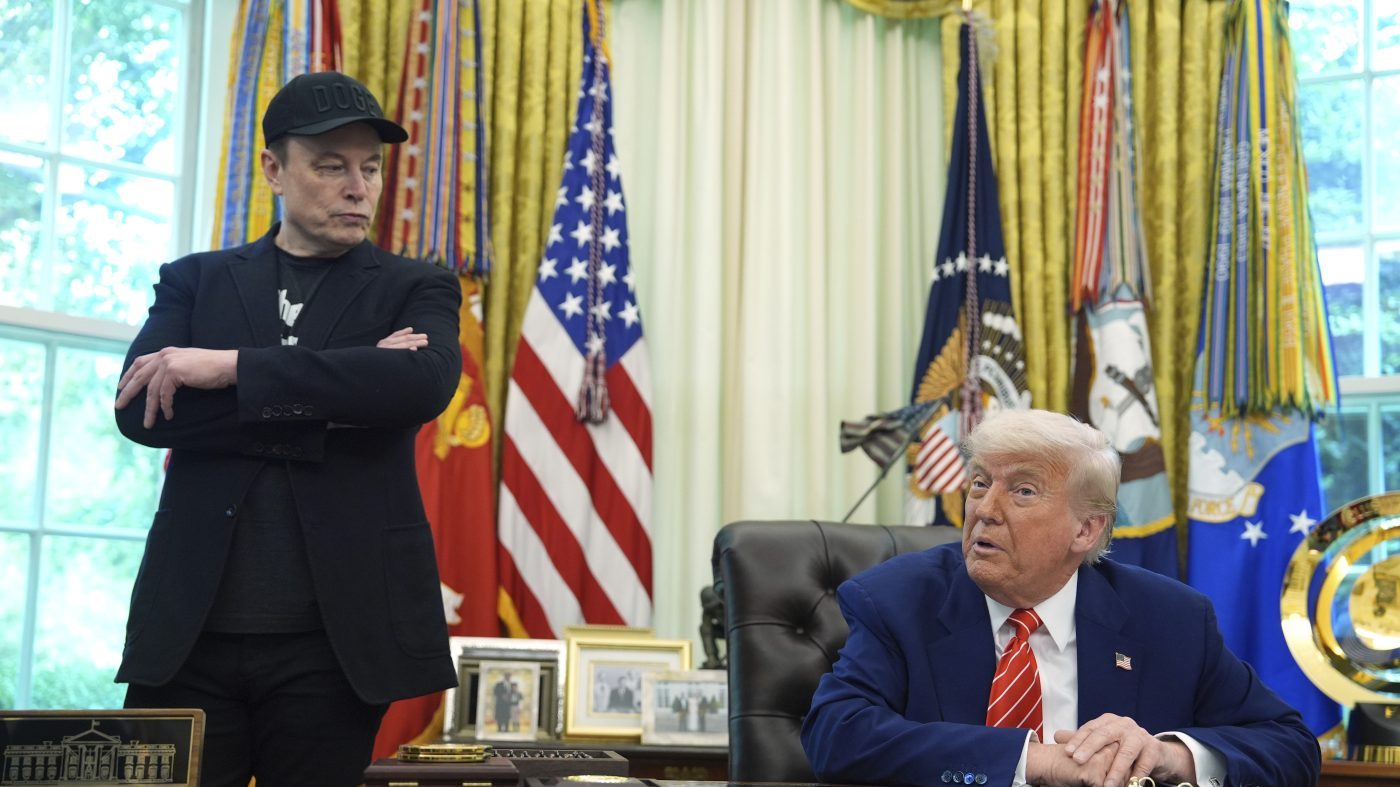
A federal judge has ruled that a significant legal challenge against Elon Musk's former advisory position in the Trump administration can advance, dealing a procedural setback to the government's effort to quash the case. U.S. District Judge Tanya Chutkan denied a Justice Department motion to dismiss the lawsuit, which centers on the legality of Musk's actions while serving as a special government employee leading the Department of Government Efficiency (DOGE).
Core Allegations of Unchecked Authority
The lawsuit, originally filed by a coalition of nonprofit organizations and later consolidated with a separate action from 14 states, alleges Musk and other DOGE leaders unlawfully wielded government power without proper legal standing. The plaintiffs contend that Musk, while serving in an advisory capacity, made consequential decisions—including the termination of federal contracts, grants, and personnel—that exceeded his statutory authority.
In her memorandum, Judge Chutkan found the plaintiffs had sufficiently argued their case to proceed. "They amply allege that the head of DOGE himself makes decisions and issues directives on matters as weighty as the termination of federal grants, contracts and workers," Chutkan wrote. A central constitutional claim is that Musk exercised "the power of a principal officer" without having undergone Senate confirmation, a potential violation of the Appointments Clause.
Partial Victory for Administration on Some Counts
While allowing the core claims to move forward, Judge Chutkan did grant part of the government's dismissal request. She sided with the Trump administration on allegations related to violations of the separation of powers and the Administrative Procedure Act, finding the plaintiffs failed to identify specific, reviewable agency actions in those contexts. This narrows the legal battlefield but leaves the most substantive allegations intact for litigation.
The case stems from actions taken in early 2023, when Musk, serving as a special government employee, led a DOGE team that initiated widespread personnel and contract terminations across federal agencies. His official tenure ended dramatically last May when his special status expired, followed by public clashes with President Trump. Musk has since re-entered the political arena ahead of the 2026 midterms.
This legal challenge is part of a broader pattern of controversy surrounding the Trump administration's use of executive power and unconventional appointments. Similar disputes have arisen over cabinet-level appointments and efforts to centralize control, which have prompted bipartisan legal pushback in other policy areas.
The Department of Justice did not immediately respond to a request for comment on the ruling. In a related development, the Trump administration separately asked the Supreme Court on Monday to block an inquiry into DOGE by the watchdog group Citizens for Responsibility and Ethics in Washington, signaling a multi-front legal defense of the controversial office.
The ruling ensures continued judicial scrutiny of the boundaries of executive branch authority and the use of private citizens in high-level government roles. It also highlights the ongoing legal and political reverberations from Trump-era governance experiments, which continue to face challenges in court. As these cases proceed, they contribute to the defining debate over the limits of presidential power and the mechanisms of accountability, a theme evident in other contentious areas like Justice Department operations and mass public protests against administration policies.