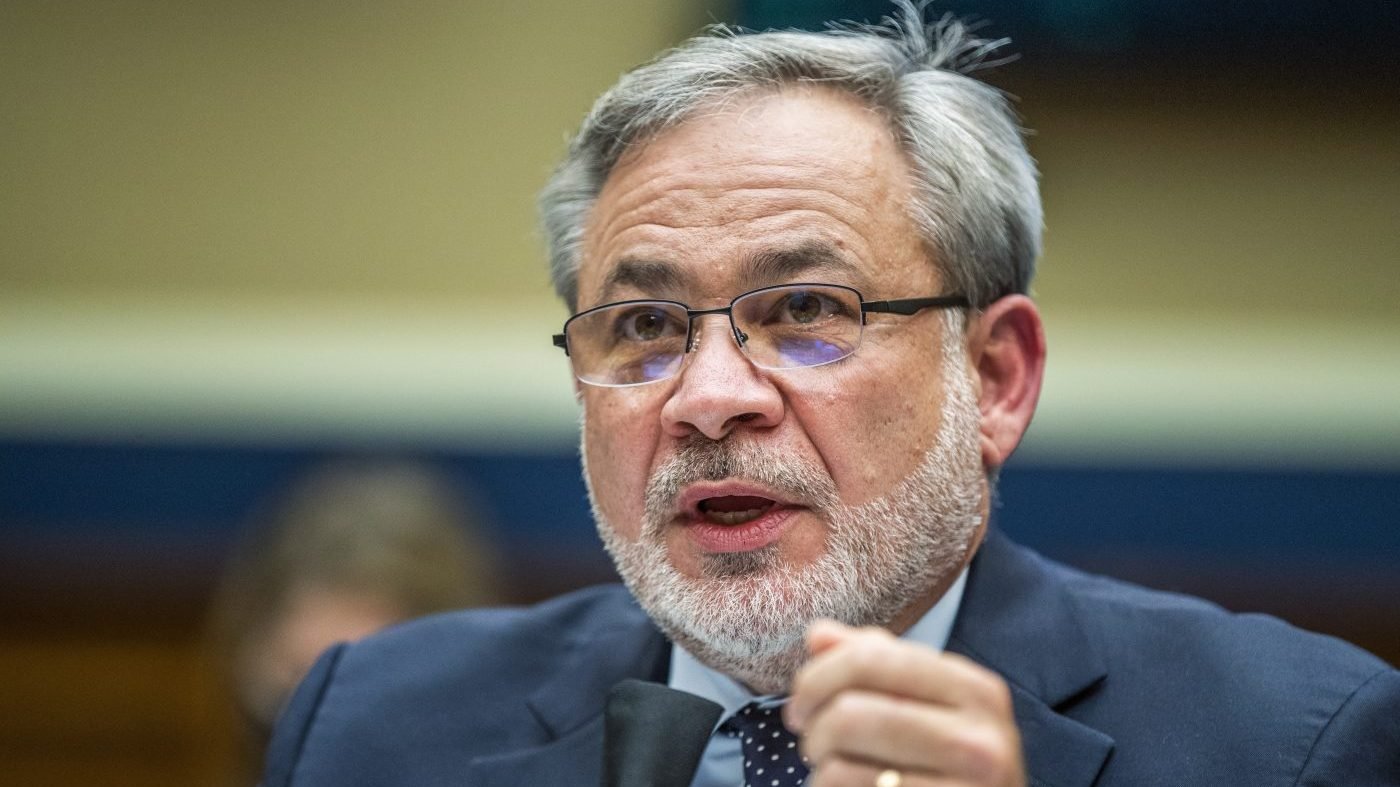
Former Energy Secretary Dan Brouillette publicly backed the Trump administration's ongoing military campaign against Iran on Friday, arguing that the resulting spike in global oil prices represents a necessary sacrifice for long-term security. In an interview on NewsNation, Brouillette characterized the economic impact on American consumers as "short-term pain" for a critical "long-term gain."
A Strategic Calculation
Brouillette, who served under President Trump, asserted that the administration is pursuing a longer-term strategy by confronting Iran now. "We're paying high prices today, but those prices will come down," he told host Blake Burman. He warned that failing to act could lead to dramatically higher global energy costs in a decade or more if Iran successfully develops nuclear weapons capability.
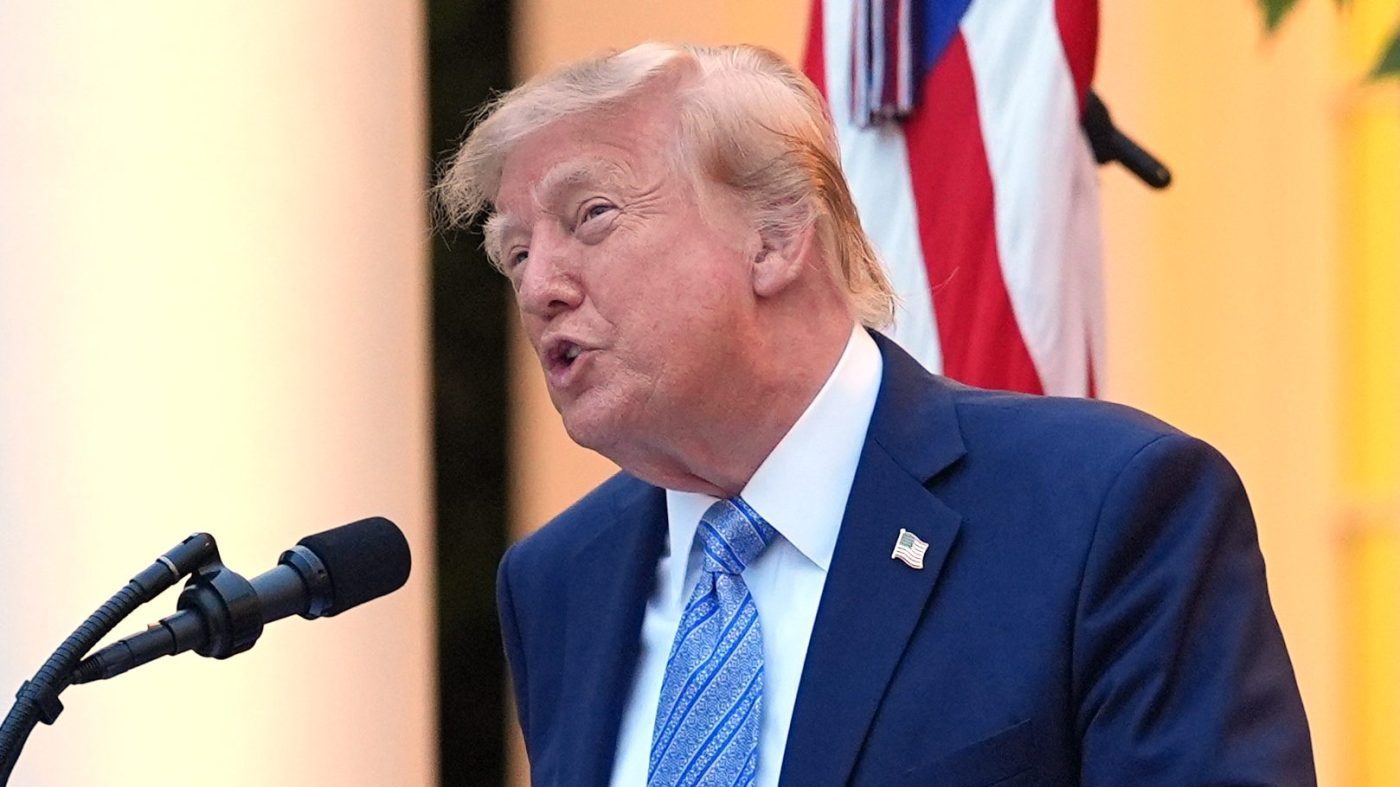
The former cabinet official's comments come as the Trump administration has sent mixed signals about potential de-escalation in the region following last month's joint U.S.-Israel strikes. Those military actions were launched after diplomatic negotiations over Iran's nuclear program reached an impasse.
Immediate Economic Fallout
The conflict has triggered severe market disruptions. Iranian retaliatory strikes targeting commercial shipping have effectively closed the Strait of Hormuz, a critical chokepoint that normally carries a significant portion of the world's seaborne crude oil. This blockade has sharply curtailed global supply, sending Brent crude prices soaring.
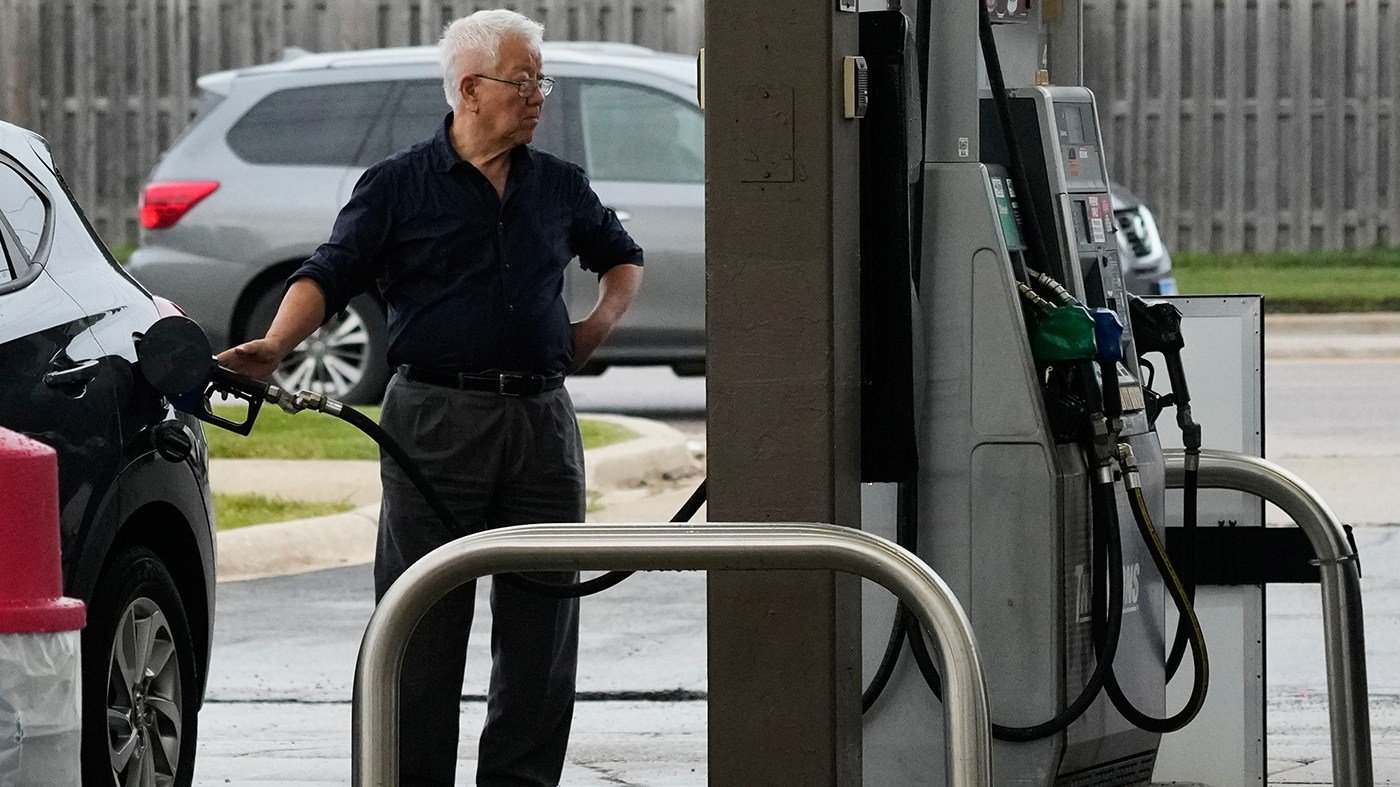
The direct consequence for American drivers has been severe. The national average price for a gallon of regular gasoline jumped by nearly one dollar in the past month alone. A Reuters/Ipsos poll released Friday indicates a majority of Americans expect prices to continue climbing as the Middle East conflict persists.
Administration's Countermeasures
In response to the price surge, the White House has implemented several emergency measures. The administration has temporarily lifted sanctions on Iranian and Russian oil already in transit, authorized releases from the U.S. Strategic Petroleum Reserve, incentivized increased domestic production, and relaxed certain maritime regulations.
However, these steps have drawn skepticism from energy analysts. Edmund Crooks, Wood Mackenzie's vice chair for the Americas, told The Hill that only reopening the Strait of Hormuz would provide a real solution. "At the end of the day, there is only one real solution to the energy price issue, and that is to reopen the Strait of Hormuz and allow more oil supply onto world markets," Crooks stated.
Broader Economic Warnings
The International Monetary Fund issued a stark warning on Thursday, cautioning that prolonged high energy prices could fuel broader global inflation. This economic pressure adds a complex layer to the administration's national security calculus, as the financial markets remain highly sensitive to any pause or escalation in military action.
Brouillette's defense underscores the administration's framing of the conflict as a preventative necessity. "I think that the president is correct in taking this on today," he said. "It's a lot of short-term pain. There's no question about that, but it is for long term gain." This rationale is likely to face continued scrutiny as Americans feel the pinch at the pump and geopolitical tensions show no immediate sign of abating.