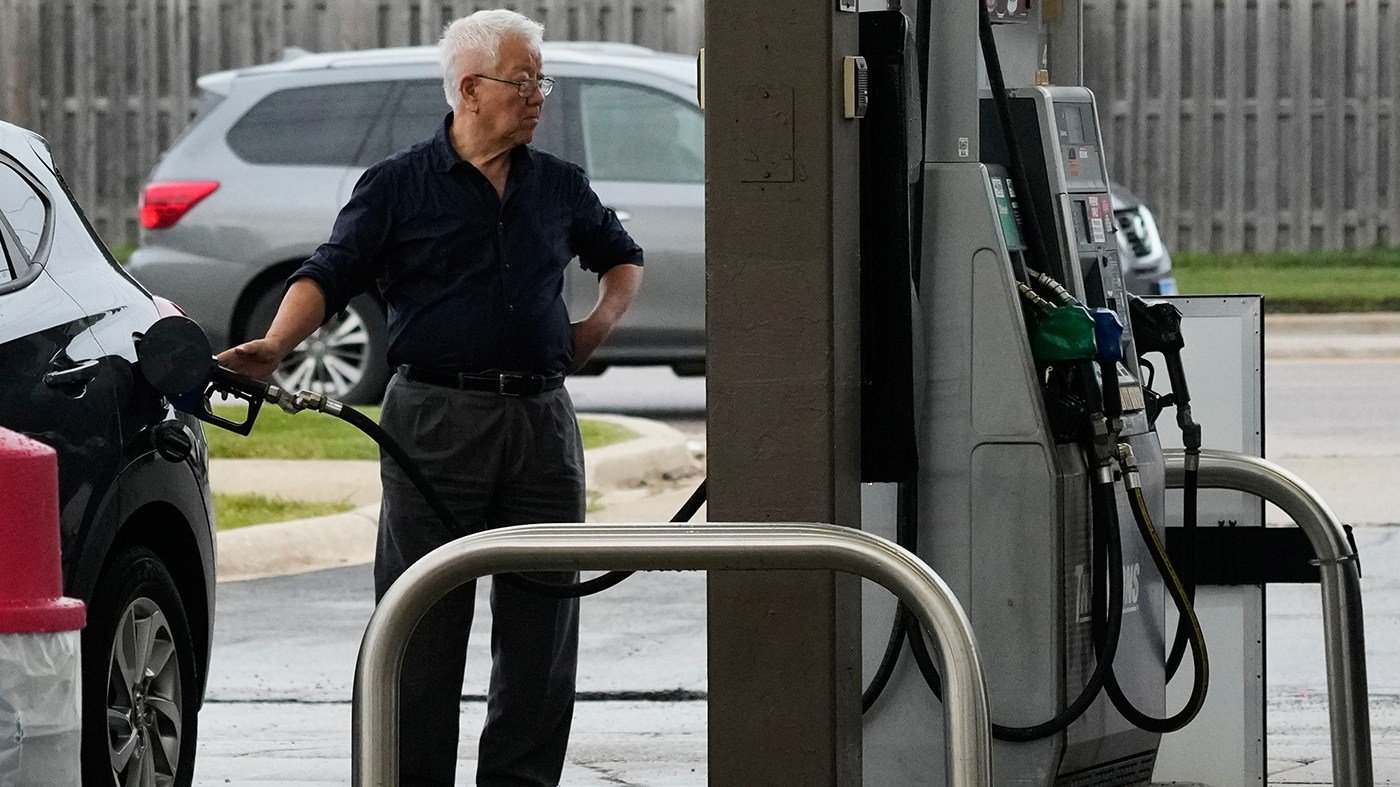
Energy Secretary Chris Wright indicated Monday that the Biden administration is preparing additional regulatory and operational measures to combat the sharp increase in gasoline prices that followed last month's joint U.S. and Israeli military offensive against Iran. The national average has climbed to $3.98 per gallon, representing an increase of more than one dollar since the conflict began, according to AAA data.
Administration's Policy Levers
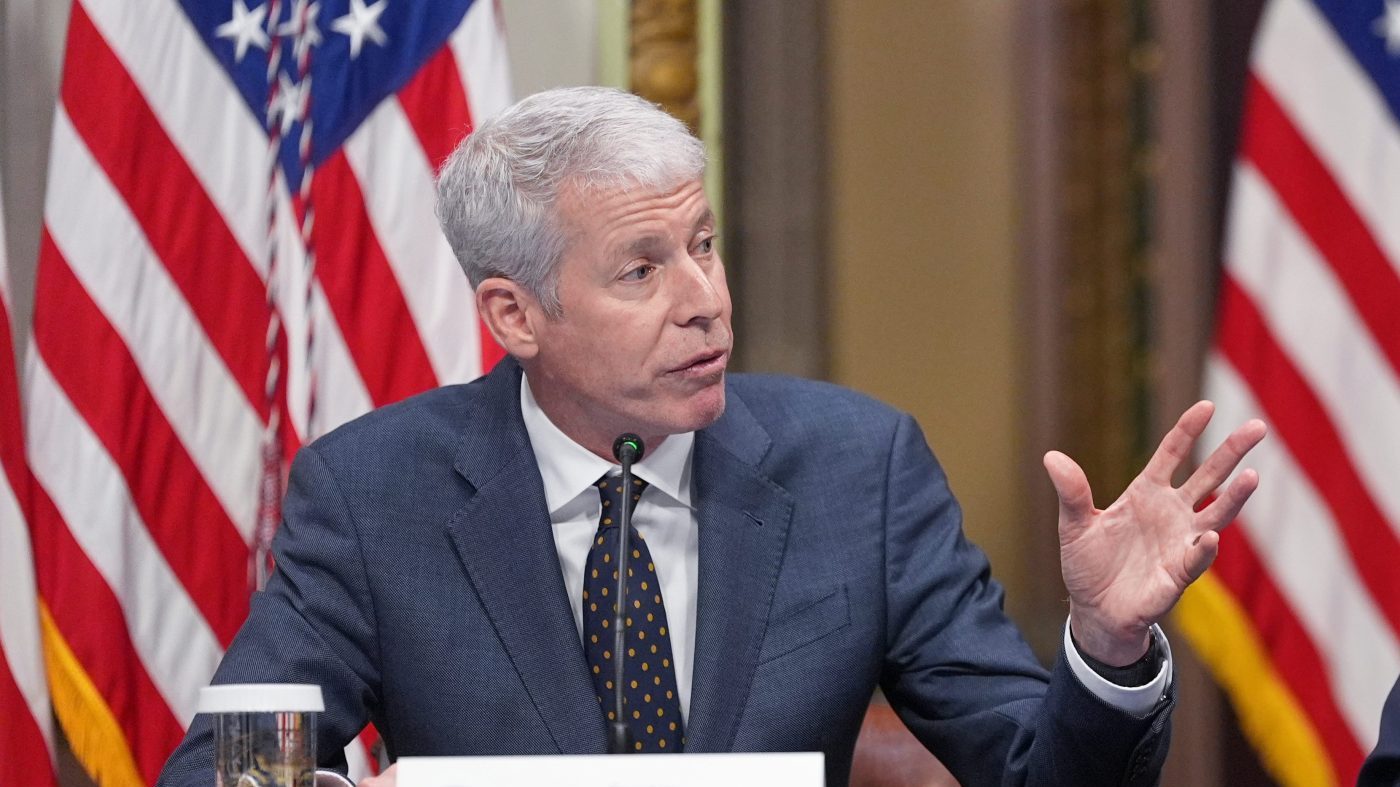
In an interview on CNBC's 'Squawk on the Street,' Wright acknowledged the economic strain on consumers but emphasized the administration retains "a few more levers" to pull. "We're examining ways to improve refinery efficiencies and other options we can implement rapidly," Wright stated. He framed the current price surge as a short-term disruption necessary to counter what he described as "47 years of threats from Iran" that have historically inflated global energy markets.
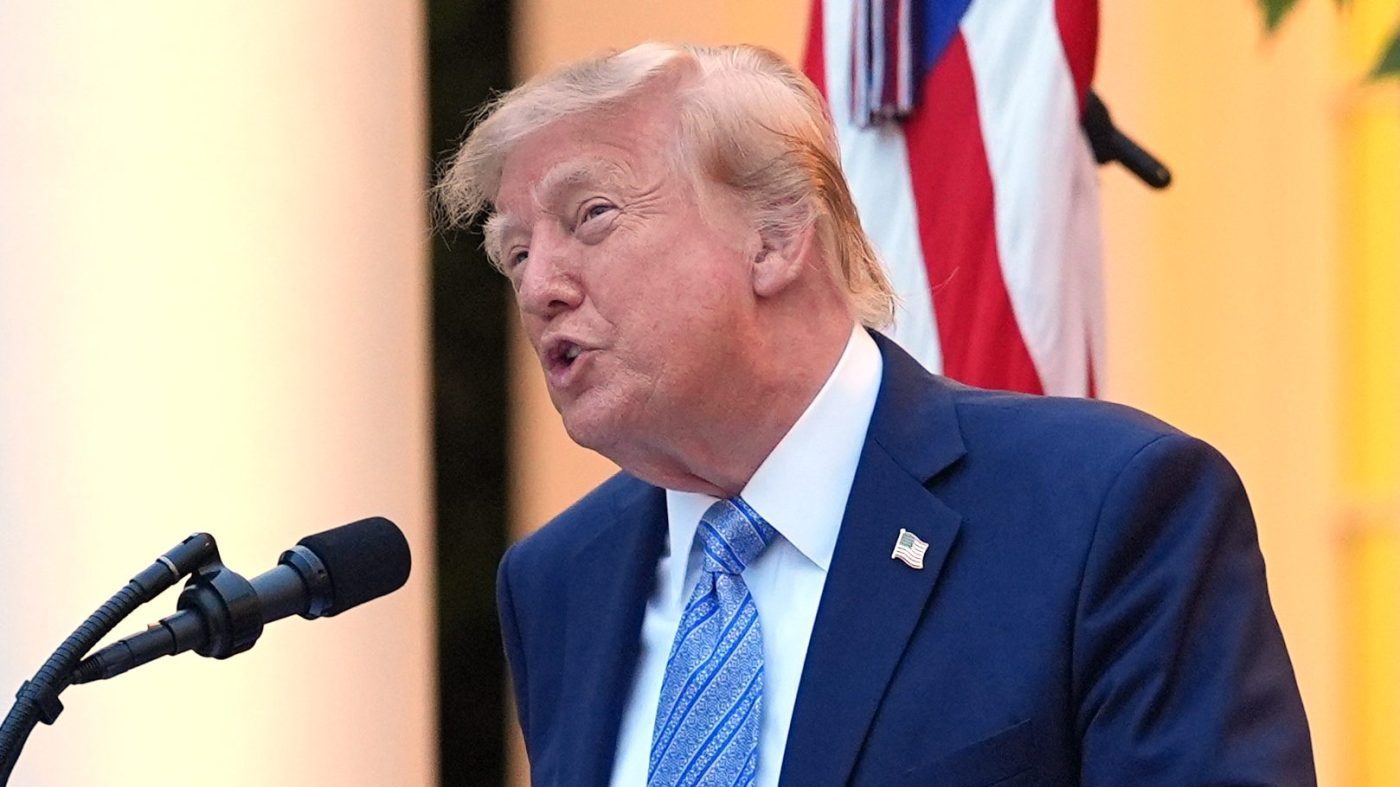
Wright appealed for public patience, arguing that long-term strategic benefits would outweigh present costs. "We're going through a short-term period of disruption right now, but the long-term benefits will be enormous," he said, asking Americans to consider "years ahead and decades ahead for you and your children." He also noted that domestic oil producers are "rallying to the cause" by operating refineries at higher-than-normal springtime capacity.
Broader Administration Response
The price spike has triggered a multi-pronged response from the White House. Officials have temporarily relaxed maritime shipping regulations, moved to restart offshore drilling operations along California's coast, and eased certain sanctions on Venezuela and Russia to increase global supply. President Biden has also authorized the release of 172 million barrels from the Strategic Petroleum Reserve, a critical emergency stockpile.
Administration figures have consistently downplayed the severity of the price hike, characterizing it as temporary. Former Energy Secretary Dan Brouillette echoed this sentiment last week, calling the rising costs "short-term pain" for "long-term gain" during an appearance on NewsNation. This view aligns with the administration's broader defense of its foreign policy, which has faced criticism for driving a global energy price surge that analysts say benefits rivals like Moscow and Tehran.
Analysts Point to Strait of Hormuz
Energy market analysts argue that meaningful price relief is contingent on resolving the maritime blockade that precipitated the conflict. "Beyond reopening the Strait of Hormuz, there's honestly not a lot you can do," said Edmund Crooks, Wood Mackenzie's Vice Chair of the Americas. He described other administrative actions as marginal, stating, "There are things that can be done at the margin... but fundamentally, it's all about getting the Strait of Hormuz reopened." The vital waterway for global oil shipments has remained closed since hostilities commenced.
The political and economic fallout is resonating with the public. A recent Reuters/Ipsos poll found 87% of Americans anticipate further gas price increases in the coming month, with 55% reporting the conflict's impact on energy costs has already affected their broader personal finances. This domestic pressure comes as the administration navigates a complex geopolitical landscape, having recently ordered a five-day pause to planned strikes on Iranian energy targets amid claims of diplomatic outreach.
The situation underscores the persistent challenge of balancing national security objectives with economic stability. The administration's approach—combining strategic petroleum releases, regulatory adjustments, and appeals to domestic industry—reflects a pattern some critics compare to past policy failures on energy and conflict. As Secretary Wright and his colleagues, including former officials like Dan Brouillette, continue to defend the strategy, the effectiveness of their remaining "levers" will be tested at the pump and in the court of public opinion.