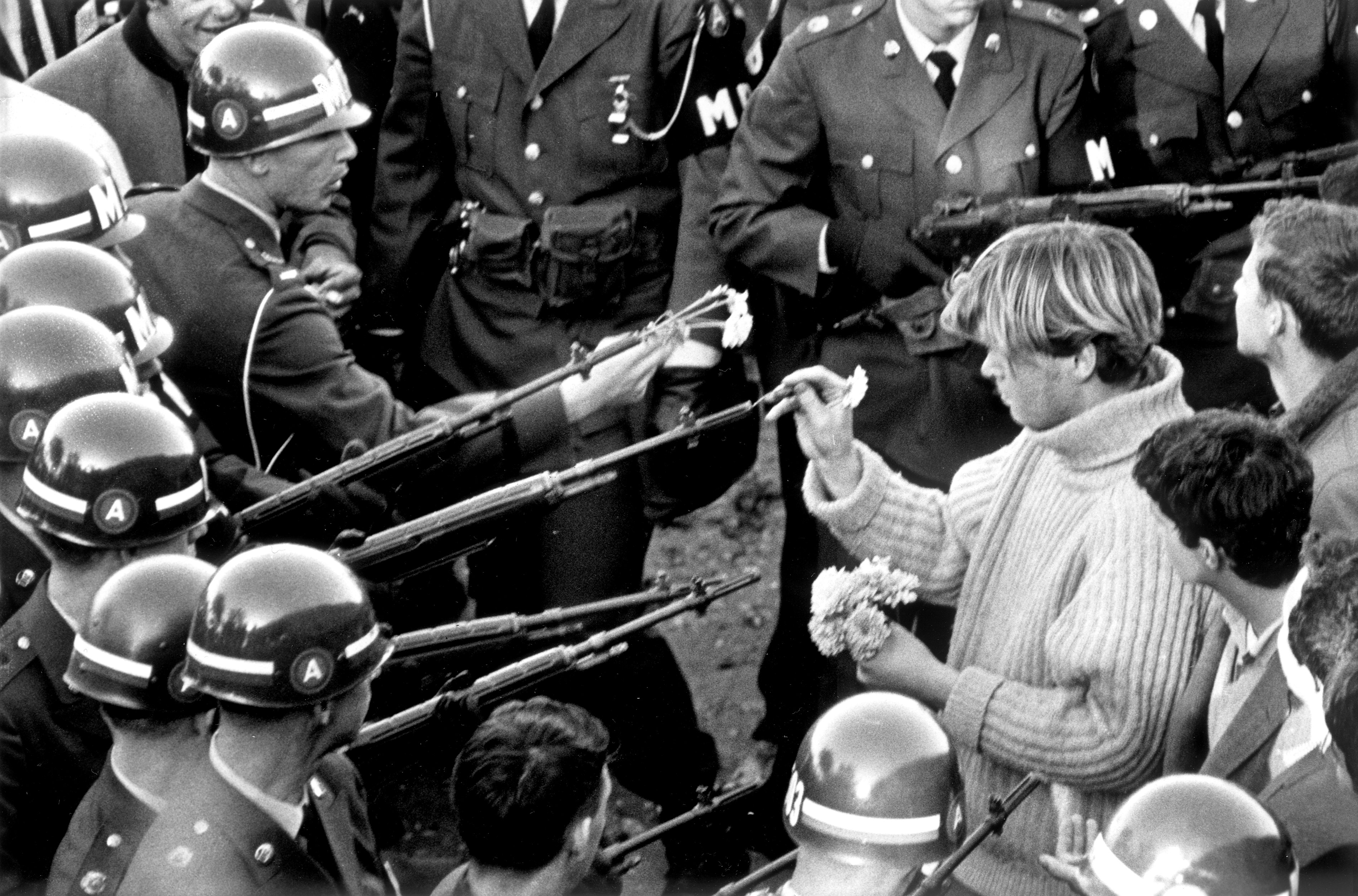
Political observers who witnessed the turbulent 1960s and 1970s are witnessing a troubling national déjà vu. Hard-won lessons from that era concerning military engagement, energy independence, and environmental protection are being systematically disregarded by the current administration, creating familiar patterns of risk and consequence.
Military Lessons Unlearned
The administration's approach to Iran shows striking parallels to Vietnam-era thinking, despite the catastrophic costs of that conflict. The United States suffered over 58,000 military fatalities and 300,000 wounded in Southeast Asia, with Vietnamese casualties reaching into the millions. Yet current policy appears to ignore the fundamental lessons about limited wars and geopolitical quagmires. Recent developments, including contradictory signals about diplomatic engagement with Tehran, suggest an inconsistent strategy that risks escalation.
Energy Security Regression
America's vulnerability to global oil markets became painfully clear during the 1970s energy crises, when geopolitical actors could manipulate prices and threaten shipping lanes. The U.S. still spends approximately $132 billion annually to secure oil transit routes. Rather than pursuing energy independence through diversification, the administration has focused on accessing foreign reserves, notably in Venezuela and Iran. This approach, described by some observers as seeking to reshape Iran's political and economic order, echoes earlier resource-driven foreign policy. Public opinion reflects growing concern about the deteriorating U.S. position in this volatile region.
Environmental Protection Rollback
The environmental regulatory framework established in the 1970s emerged from undeniable crises: rivers catching fire, deadly smog events, and uncontrolled industrial pollution. Congress responded with landmark legislation and created the Environmental Protection Agency to enforce standards. The current administration has pursued what it calls "the biggest deregulatory action in U.S. history," significantly weakening the EPA's scientific capacity and enforcement authority. EPA Administrator Lee Zeldin has framed this as part of a "Great American Comeback," but critics see a dangerous return to pre-regulation environmental hazards.
Climate Change Denial
Perhaps the most dramatic reversal concerns climate policy. Since the 1992 United Nations Framework Convention on Climate Change, ratified under President George H.W. Bush, there had been bipartisan recognition of the threat. The current administration has withdrawn from international agreements, dismissed scientific consensus as a "hoax," and dismantled clean energy investments. This stance occurs as extreme weather events increase in frequency and severity, straining federal disaster response capabilities.
Voting Rights Erosion
The civil rights movement's achievements, particularly the Voting Rights Act of 1965, are facing renewed challenges. Multiple states have implemented restrictions that disproportionately affect minority and low-income voters through gerrymandering and access limitations. The administration has supported these efforts, with critics arguing they threaten electoral integrity. This represents a significant retreat from the racial justice progress made following the sacrifices of the 1960s.
The pattern suggests not historical ignorance but deliberate policy choices. As military resources face increasing strain and environmental protections weaken, the nation appears to be consciously revisiting policy landscapes that previous generations worked to reform. The consequences of repeating these historical mistakes—in blood, treasure, and national well-being—may prove as costly the second time around.