In a formal diplomatic communication, Iran has outlined restrictive new conditions for maritime traffic through the strategically vital Strait of Hormuz, asserting its rights as a coastal state amid ongoing regional conflict. The letter, sent Tuesday to the International Maritime Organization (IMO), states that only "non-hostile vessels" will be granted passage through the narrow waterway, which facilitates roughly one-fifth of global daily oil shipments.
Legal Justification for Selective Blockade
Tehran's Foreign Ministry framed the move as a "necessary and proportionate" act of self-defense. "In the exercise of its inherent right of self-defence, the Islamic Republic of Iran has... taken necessary and proportionate measures to prevent the aggressors and their supporters from exploiting the Strait of Hormuz to advance hostile operations against Iran," the letter stated. It further clarified that vessels, equipment, or assets belonging to "the aggressor parties—namely, the United States and the Israeli regime as well as other participants in the aggression, do not qualify for innocent or non-hostile passage."
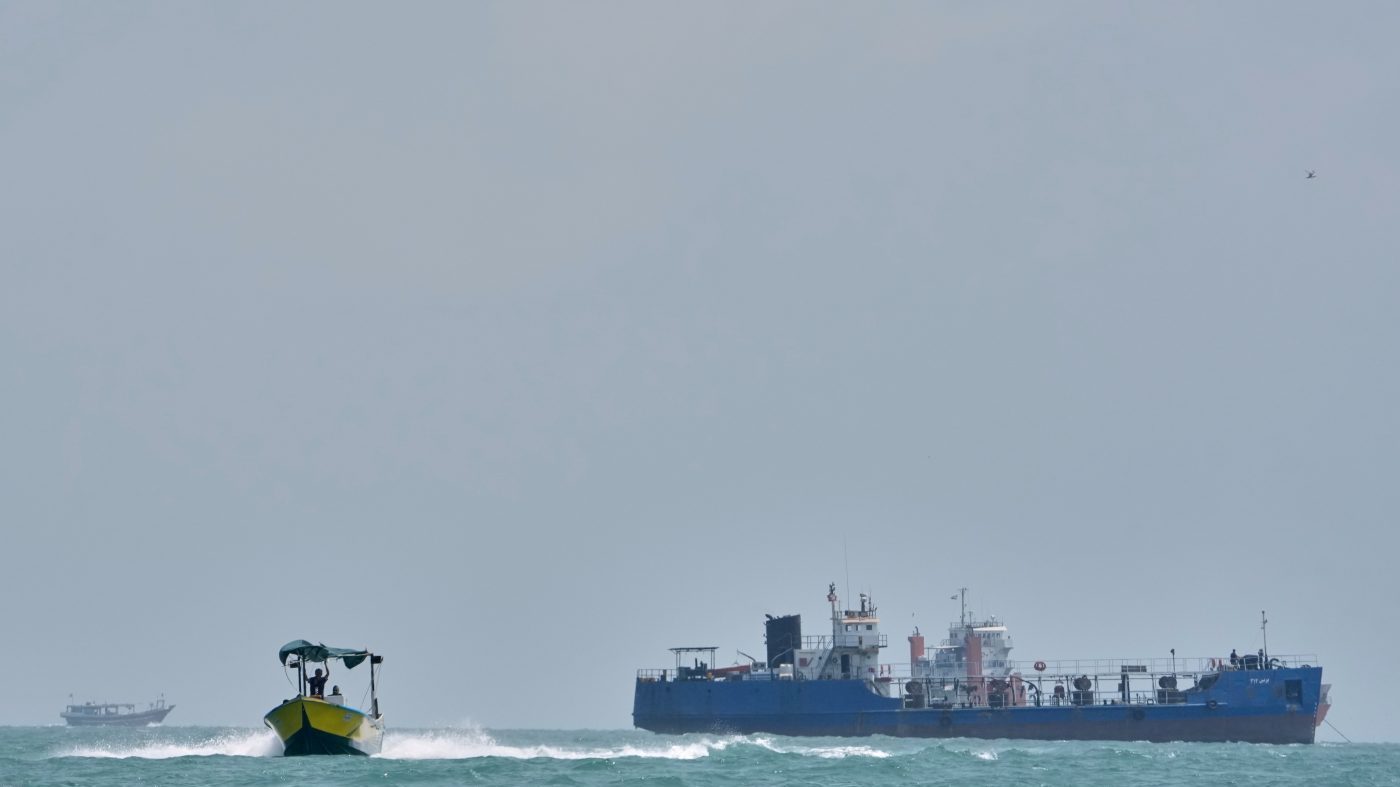
The communication insists that general maritime traffic has not been suspended, but is now "subject to compliance with the necessary measures referenced above and the realities arising from the ongoing conflict." For ships deemed hostile, Iran warned it would address them "in accordance with the decisions and measures adopted by the competent authorities" under the legal framework governing armed conflict.
Economic and Logistical Fallout
The policy has created immediate practical disruptions. Since hostilities escalated following a late February strike on Iranian territory, commercial traffic through the strait has dwindled significantly. Some vessels have reportedly paid tolls as high as $2 million to Iranian authorities for safe passage, according to a source familiar with the matter. Others have been effectively landlocked, unable or unwilling to risk the journey, which has compromised regional stability and slowed the global transport of oil.
This development occurs against a backdrop of intense debate over U.S. national security strategy in the region. The situation echoes past calls from some U.S. officials for a more forceful military posture to secure energy corridors, and stands in contrast to previous moments of de-escalation where diplomatic overtures were claimed.
International Reaction and Condemnation
Tehran has simultaneously called on world leaders to condemn attacks against it. Among Western allies, German President Frank-Walter Steinmeier has been the most vocal critic of the offensive strikes targeting Iran, describing them as a "breach" of international law. "This war is also... a politically disastrous mistake," Steinmeier said in Tuesday remarks. "A truly avoidable, unnecessary war, if its goal was to stop Iran from developing a nuclear weapon."
The Iranian maneuver places immense pressure on global shipping insurers, oil markets, and allied navies operating in the region. It represents a calculated escalation that weaponizes control of a geographic chokepoint, a tactic long anticipated by security analysts. The move also tests the resolve and coordination of international institutions like the IMO, which are designed to uphold freedom of navigation principles.
The crisis intersects with domestic U.S. political debates over security leadership and resource allocation. Some analysts warn that such foreign policy challenges could divert attention and resources from other priorities, potentially leading to internal disputes similar to those seen in congressional battles over homeland security funding. Furthermore, the administration's response may be scrutinized in the context of broader examinations of executive authority and appointment powers in national security roles.
As the situation develops, the core question remains whether Iran's conditions will be tacitly accepted by commercial shippers, forcibly challenged by allied military assets, or become a subject of urgent diplomatic negotiation to prevent a wider disruption to global energy supplies.