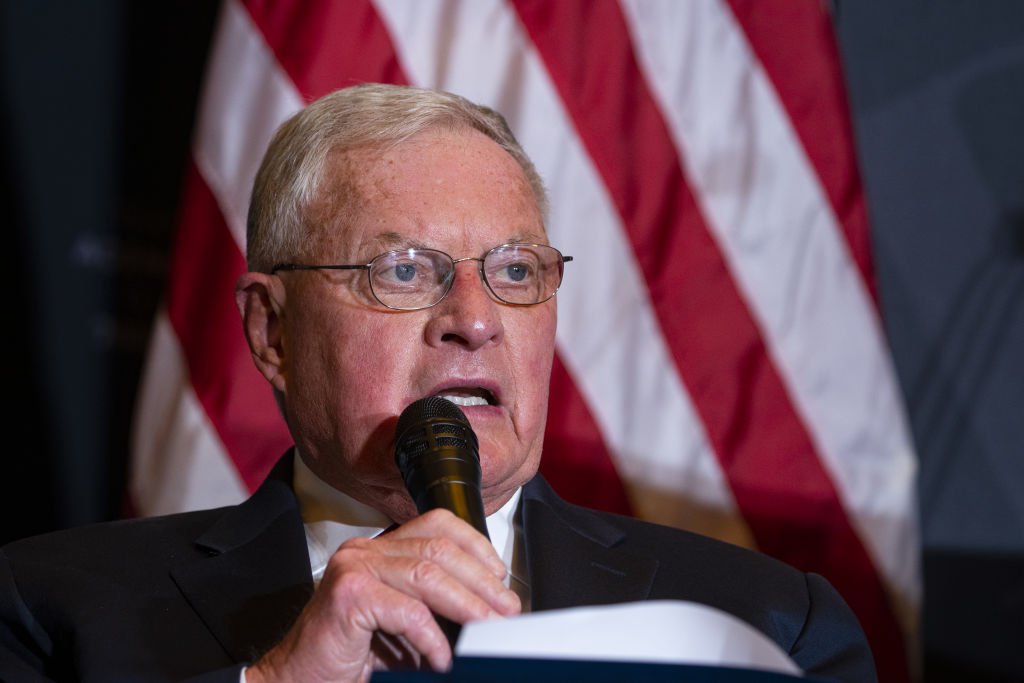
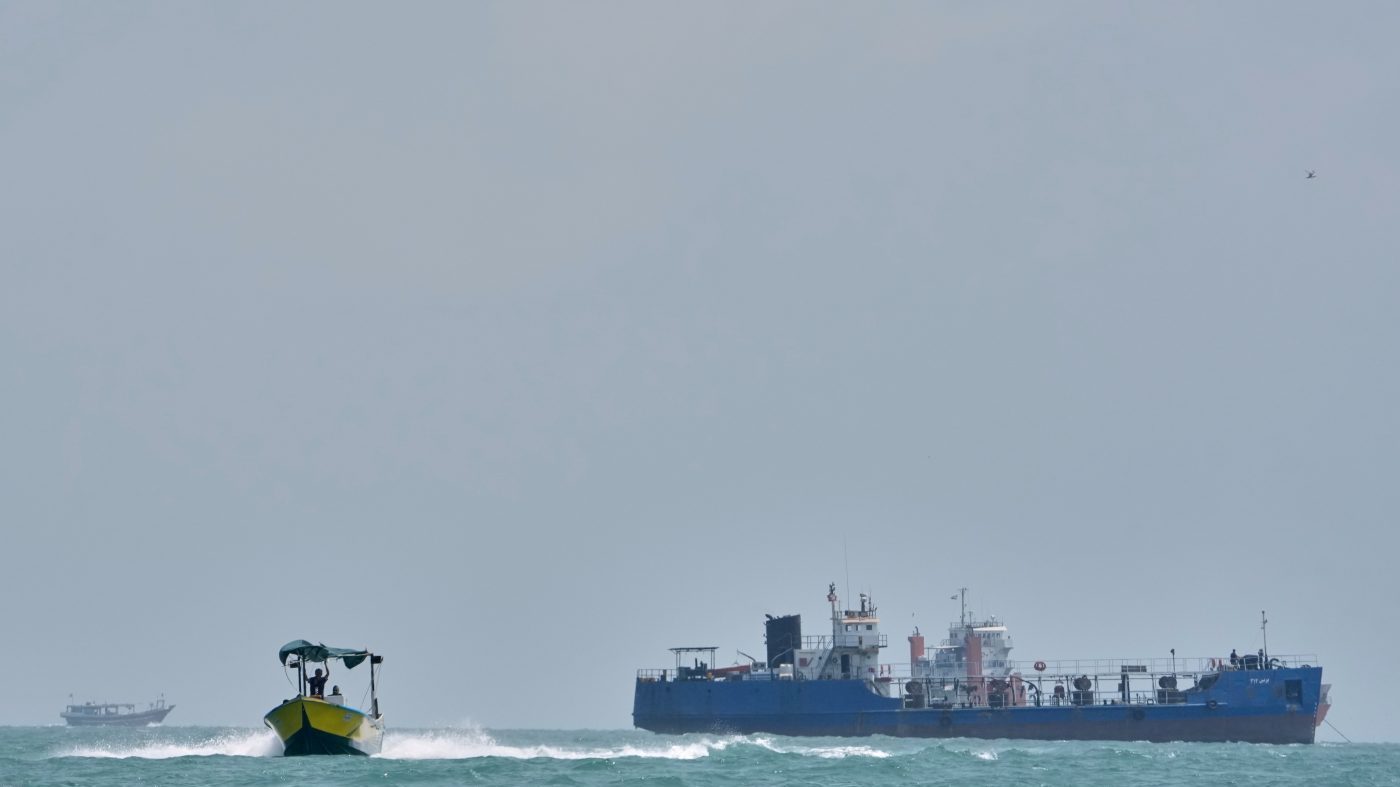
Retired Lieutenant General Keith Kellogg, who recently served as a special envoy for the Trump administration, stated on Tuesday that achieving U.S. objectives in the Strait of Hormuz might necessitate deploying American ground forces to seize Iranian territory. Kellogg specifically identified Kharg Island, the terminal responsible for approximately 90% of Iran's oil exports, as a critical target.
In an interview, Kellogg expressed strong confidence in the capabilities of U.S. naval and Marine forces but argued that a lasting solution requires physical control of land. "I'm a big believer in putting boots on the ground," he said, while clarifying this did not mean an invasion of mainland Iran. He drew a historical parallel, suggesting the U.S. should adopt a strategy akin to ancient Roman legions to secure the territory and guarantee the strait remains open.
A Two-Pronged Military Challenge
Kellogg framed the mission as a dual effort. While Marine units could potentially reopen the southern section of the strategic waterway to commercial shipping, he contended that simultaneously cutting Iran's "economic lifeline" by taking Kharg Island is vital for enduring success. This perspective comes as the administration publicly signals potential de-escalation while continuing military preparations.
The Trump administration has reportedly considered using air and naval power to ensure safe passage for oil tankers and to neutralize the island. Concurrently, the Pentagon has accelerated the deployment of additional Marines and sailors to the region. Furthermore, Reuters reported on Tuesday that soldiers from the Army's combat-ready 82nd Airborne Division are being dispatched to the Middle East, underscoring the serious military planning underway.
Political and Public Relations Risks
These hawkish recommendations face significant political headwinds. President Trump has publicly denied plans for a ground invasion, and a recent Reuters/Ipsos poll found scant public support for sending U.S. troops into a ground war with Iran, though a majority believe the President will ultimately make that decision. The human cost is already being felt, with the Pentagon reporting at least 13 U.S. service members killed and 232 wounded since hostilities intensified in late February. A broader ground campaign would inevitably raise the specter of significantly higher casualties.
Kellogg's comments also contrast with warnings from other national security veterans. Former counterterrorism officials have labeled a potential Kharg Island invasion as 'disastrous', highlighting the risks of a major regional escalation. Meanwhile, Tehran continues to deny any negotiations with the U.S., and has publicly blamed Washington for the shipping crisis in the vital waterway.
The retired general's advocacy for ground troops underscores a strategic debate within national security circles: whether air and sea power alone can achieve lasting control over the chokepoint, or if territorial occupation is an unavoidable requirement. This discussion unfolds against a volatile backdrop, where President Trump recently paused threats to strike Iranian infrastructure, citing productive talks—a claim Iranian officials reject.
As military assets flow into the region and rhetoric fluctuates, Kellogg's blunt assessment adds a stark voice to the conversation, insisting that history shows certain objectives can only be secured by occupying land. The path forward hinges on whether the administration views such a high-stakes, high-risk ground operation as a necessary last resort or an unacceptable escalation.