Iranian Foreign Minister Abbas Araghchi issued a sharp rebuke to President Trump on Sunday, declaring Tehran would not be intimidated by threats after the U.S. president vowed to "hit and obliterate" Iranian power plants if the Strait of Hormuz is not fully reopened within 48 hours. The exchange marks a significant escalation in rhetoric as military tensions and economic disruption mount.
Araghchi's Defiant Response
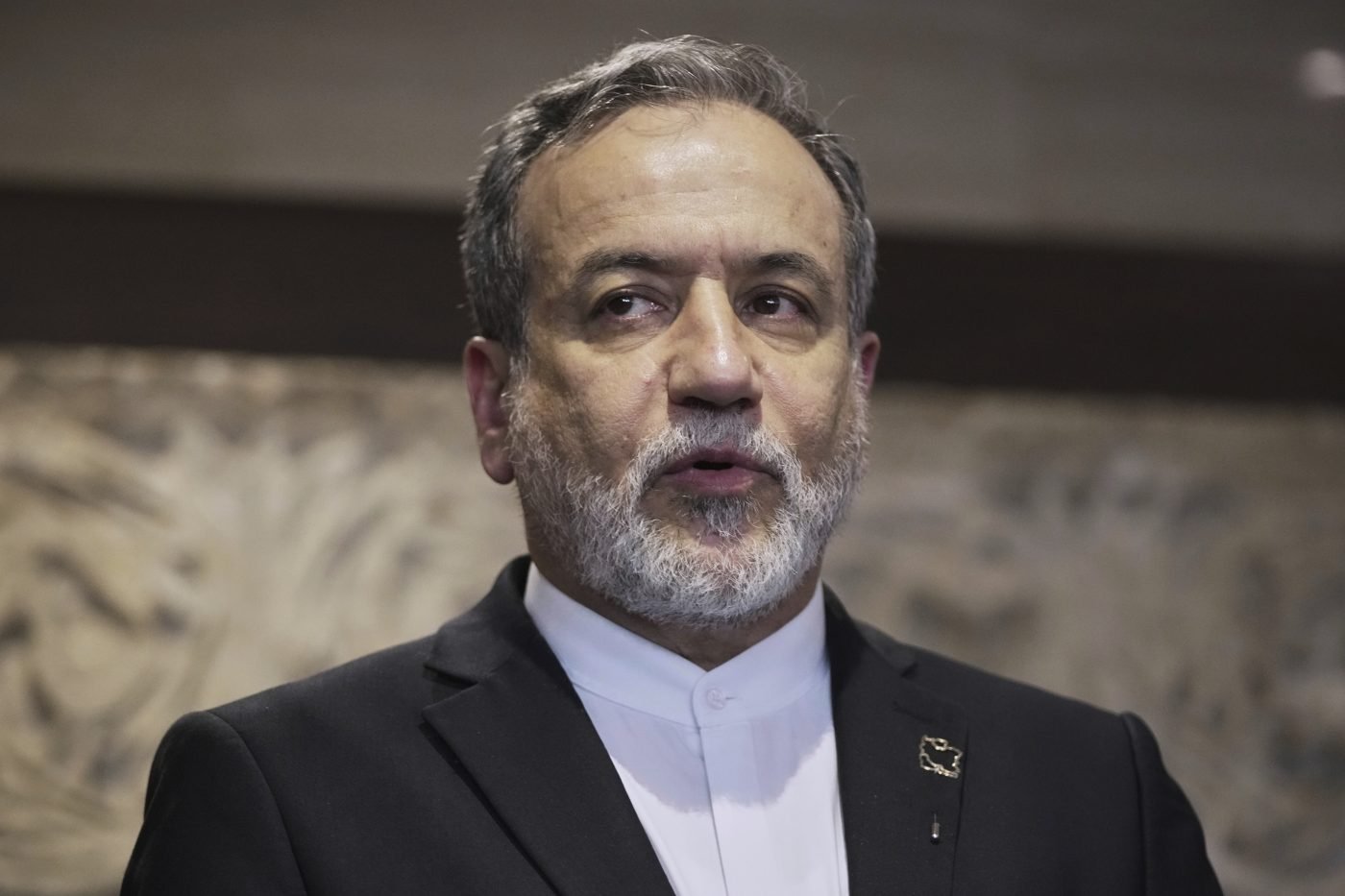
In a post on the social media platform X, Araghchi directly countered Trump's Saturday ultimatum. "The Strait of Hormuz is not closed," he stated. "Ships hesitate because insurers fear the war of choice you initiated—not Iran." He added a pointed challenge: "No insurer—and no Iranian—will be swayed by more threats. Try respect." The minister framed the issue as one of mutual principle, writing, "Freedom of Navigation cannot exist without Freedom of Trade. Respect both—or expect neither."
The Trump Ultimatum and Military Context
Trump's threat, posted on Truth Social, set a direct deadline: "If Iran doesn’t FULLY OPEN, WITHOUT THREAT, the Strait of Hormuz, within 48 HOURS... the United States of America will hit and obliterate their various POWER PLANTS, STARTING WITH THE BIGGEST ONE FIRST." This comes amid a U.S. Marine deployment to the region that has heightened fears of a broader ground conflict. The strait is a critical chokepoint, carrying approximately one-fifth of the world's daily oil supply, and safety concerns have indefinitely paused major shipments.
The verbal clash follows weeks of U.S.-Israeli strikes on Iranian targets, including a recent Israeli attack on Iran's portion of the South Pars gas field that damaged critical energy infrastructure. In retaliation, Iran struck energy fields in Qatar, Saudi Arabia, and the United Arab Emirates, actions that have fueled regional instability and driven global gas prices higher. Tehran has also planted mines in the strait and threatened to shoot down unauthorized vessels.
Diplomatic Maneuvering with Japan
Parallel to the public threats, diplomatic channels are active. According to Kyodo News, Araghchi is engaged in talks with Japan to secure passage for a Japanese oil tanker through the contested waters. Japanese Foreign Minister Toshimitsu Motegi has held two direct discussions with Araghchi since the attacks began. Japan's vulnerability is acute; it relies on the Middle East for over 90% of its oil, as noted by the Center for Strategic and International Studies.
The economic and security stakes were underscored during Japanese Prime Minister Sanae Takaichi's visit to the White House last week. She told Trump the conflict had created a "severe" security environment and delivered a "huge hit" to the global economy, though she expressed faith in the president's ability to achieve peace. Trump, in turn, publicly urged Japan to "step up" its response, stating, "I expect Japan to step up because, you know, we have that kind of relationship and we step up for Japan." He framed the request as a matter of allied burden-sharing, even as his administration has sent mixed signals on de-escalation.
Broader Strategic Implications
The standoff represents a dangerous inflection point. Trump's specific threat against civilian power infrastructure signals a potential shift toward targets with severe humanitarian consequences. Meanwhile, Araghchi's defiance reinforces Iran's strategy of asymmetric response and economic pressure through the strait. The situation is fluid, with reporting indicating Trump has ordered temporary halts to planned strikes before, suggesting military action is being actively considered. The involvement of a key U.S. ally like Japan highlights the global economic ramifications, as energy markets react to every provocation.
As the 48-hour window closes, the world watches whether this exchange will remain rhetorical or trigger a new, more destructive phase of conflict. The stability of global energy markets and the risk of a major regional war now hinge on decisions in Washington and Tehran, with diplomatic efforts racing against the clock of military preparedness.