House Insists on Unified DHS Funding as Senate GOP Floats Alternative
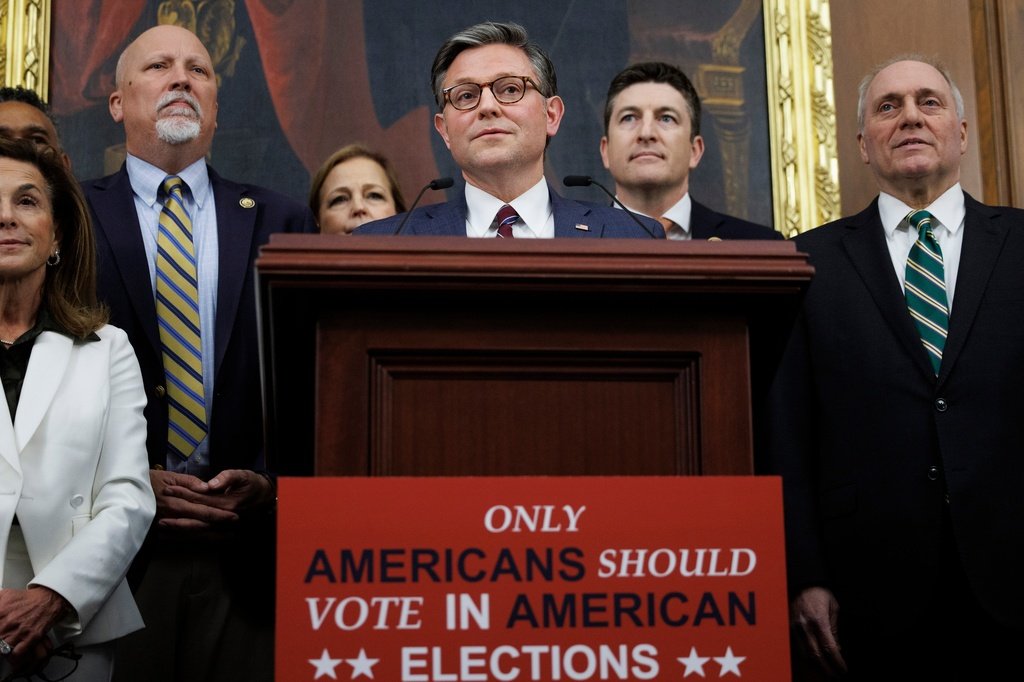
House Republican leaders are pushing back against a developing Senate proposal that would break apart funding for the Department of Homeland Security, with Speaker Mike Johnson declaring his opposition to fragmenting the agency's budget. The Senate Republican plan, discussed as a potential path forward, would utilize the budget reconciliation process to fund Immigration and Customs Enforcement removal operations separately from the rest of DHS.
"That is not my preference," Johnson told reporters on Tuesday. "The House has funded DHS twice. We're prepared to do it again. Completely fund the entire department. That is the responsible way to do this thing. So, we've been very resistant to any idea to break it apart." The Speaker noted he had not yet reviewed the specifics of the Senate proposal.
Senate Plan Would Isolate ICE Funding
The Senate Republican framework would fund the majority of DHS operations, including the Transportation Security Administration, through standard appropriations. However, it would carve out funding for ICE's emergency removal operations—which constitutes more than half of the agency's budget—and place it, along with select provisions from the Safeguard American Voter Eligibility Act, into a reconciliation bill. This procedural maneuver allows legislation to pass the Senate with a simple majority, bypassing the 60-vote threshold typically required.
House Majority Leader Steve Scalise echoed Johnson's stance, affirming the chamber's established position. "That's been our position from the beginning," Scalise said. "And obviously, we've had votes to do just that. So, anything short of that, we'd need to see the details obviously, talk to the White House about the implications." The House has passed two measures to fully fund DHS, both rejected by Senate Democrats, and is scheduled to consider a third this week.
Shutdown Stalemate and Reform Demands
The Department of Homeland Security has been operating under a partial funding lapse for over five weeks. The impasse stems from Democratic demands for reforms to ICE and Customs and Border Protection, calls that intensified following the deaths of two U.S. citizens in Minnesota involving federal agents. This political deadlock mirrors other contentious funding fights, such as when Democrats rejected an earlier GOP funding plan over similar ICE reform demands.
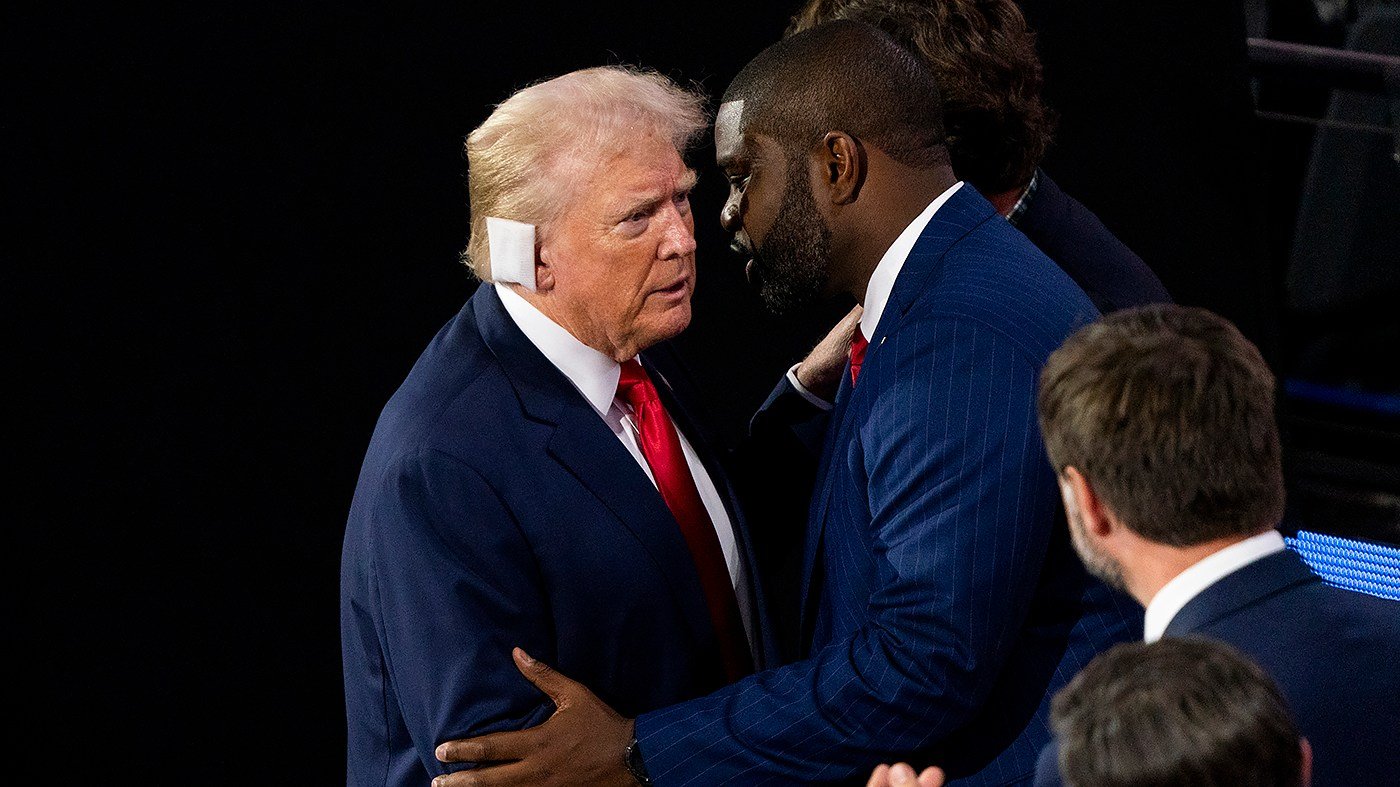
Senate Minority Leader Chuck Schumer formally rejected the new Republican proposal on Tuesday, telling reporters he would present a counteroffer. Schumer stated his party would continue to insist on measures to "rein in" ICE's authority and operations. The White House indicated former President Donald Trump was supportive of the Senate GOP approach, but Trump himself offered a noncommittal response when questioned. "Well, I don't want to comment until I see the deal," Trump said. "I guess they're getting fairly close, but I think any deal they make, I'm pretty much not happy with it." This reflects a broader pattern of congressional tension with the former president, seen in issues ranging from confrontations over Iran war funding to internal party strategy.
The Senate proposal represents a significant tactical shift, acknowledging the difficulty of passing a clean DHS bill through regular order given the current political divisions. However, House leadership's immediate resistance suggests a rocky path to any agreement. Johnson's firm stance underscores a preference for presenting a unified Republican position, even as the partial shutdown creates operational uncertainties for the nation's domestic security apparatus.
The coming days will test whether Senate Republicans can refine their proposal into something palatable to both House conservatives and Democratic negotiators, or if the standoff will continue. The situation remains fluid, with key players like Minority Leader Hakeem Jeffries poised to address the impasse as signals emerge from the GOP. Some within the party remain skeptical of the plan's viability, with figures like Senator Rick Scott previously dismissing similar GOP funding concepts as political fantasy.