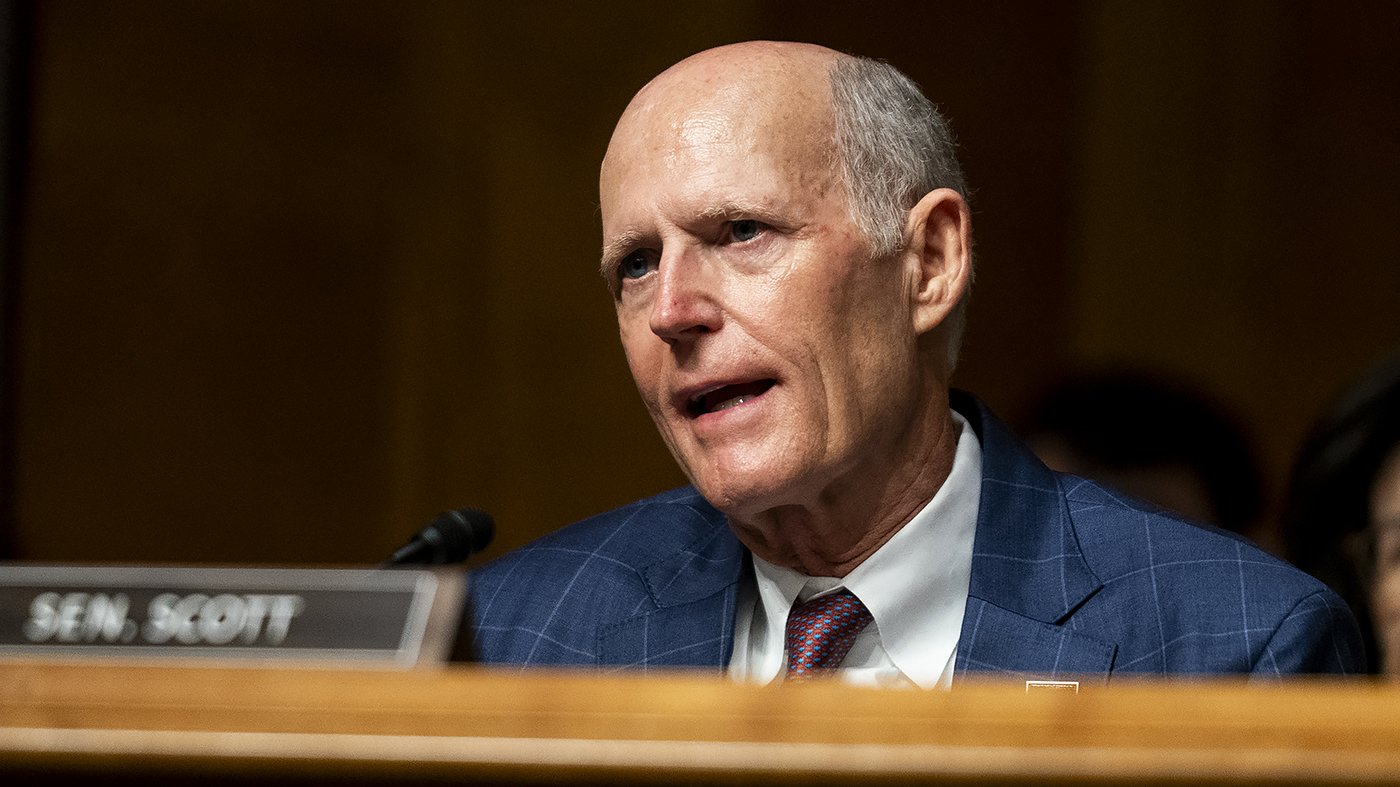
Senator Rick Scott of Florida, a prominent ally of former President Donald Trump, has launched a forceful critique against an emerging Republican proposal to end the Department of Homeland Security shutdown through partial funding. Scott dismissed the plan, which would fund DHS while carving out Immigration and Customs Enforcement's emergency removal operations for later consideration, as a political fantasy that "doesn't make any sense."
Conservative Opposition to Fragmented Funding
The proposal, presented to Trump by Senator Katie Britt of Alabama and other GOP senators, seeks to break the current impasse by funding most of DHS while promising to address ICE's removal funding through a separate budget reconciliation package later this year. Scott argues this approach surrenders leverage on immigration enforcement. "Why would you just fund a part of government, especially when they don't want to fund the part that protects Americans from illegal aliens that are committing crimes," Scott stated in a CNBC interview, referencing the killing of Laken Riley as an example of crimes committed by undocumented immigrants.
Scott's opposition highlights a deepening rift within Republican ranks over shutdown strategy. While some senators believe Trump might accept a deal that temporarily funds DHS without full ICE money, provided Congress passes a reconciliation bill for removal operations later, Scott and other conservatives view this as a dangerous concession. The political dynamics are further complicated by Trump's own shifting positions on the shutdown, as he has recently signaled potential openness to a compromise as operational disruptions mount.
Procedural Hurdles and the 'Byrd Bath'
A central component of the proposed deal involves using the budget reconciliation process to pass elements of the SAVE America Act, a voting reform bill that would require documented proof of citizenship for voter registration. However, Scott expressed deep skepticism that this legislation could survive procedural review by the Senate parliamentarian, known as the "Byrd Bath." Reconciliation packages face strict rules about what provisions are permissible, typically limited to items directly affecting federal spending and revenue.
"This idea that they'll get funded through a reconciliation package is a pipe dream. We're not going to get a reconciliation package done," Scott asserted. He noted that reconciliation can only fund mandatory spending programs, not regular annual appropriations like DHS operations, creating what he sees as an insurmountable procedural barrier. The fate of the SAVE America Act remains uncertain as it faces both parliamentary and political challenges.
Broader Political Context
The debate occurs against a backdrop of increasing pressure to end the DHS shutdown, which has caused growing disruptions at airports and border facilities. Some Republican senators who met with Trump at the White House believe he might accept a temporary funding solution if it includes a commitment to pursue immigration enforcement funding and voting reforms through reconciliation later this year. However, Scott questioned the political viability of passing another reconciliation package, noting that the last successful effort relied on popular tax cuts for momentum.
"To get 50 Republicans to vote for this I think is going to be a pipe dream," Scott concluded, emphasizing his belief that the proposal lacks the necessary support within his own party. His comments reflect broader conservative concerns that separating ICE funding from the rest of DHS represents a significant retreat on immigration enforcement priorities. This internal Republican disagreement comes as the party faces other challenges, including dissent from former Trump allies on foreign policy and ongoing legal battles involving the former president's administration.
The standoff continues as operational pressures increase across Homeland Security agencies. With Congress unable to pass regular appropriations through reconciliation, and Democrats refusing to fund ICE's removal operations without broader immigration reforms, the path to reopening DHS remains blocked. Scott's vocal opposition suggests that even if Trump were to endorse the partial funding approach, it would face substantial resistance from the Republican Party's right flank, potentially dooming any compromise before it reaches a vote.