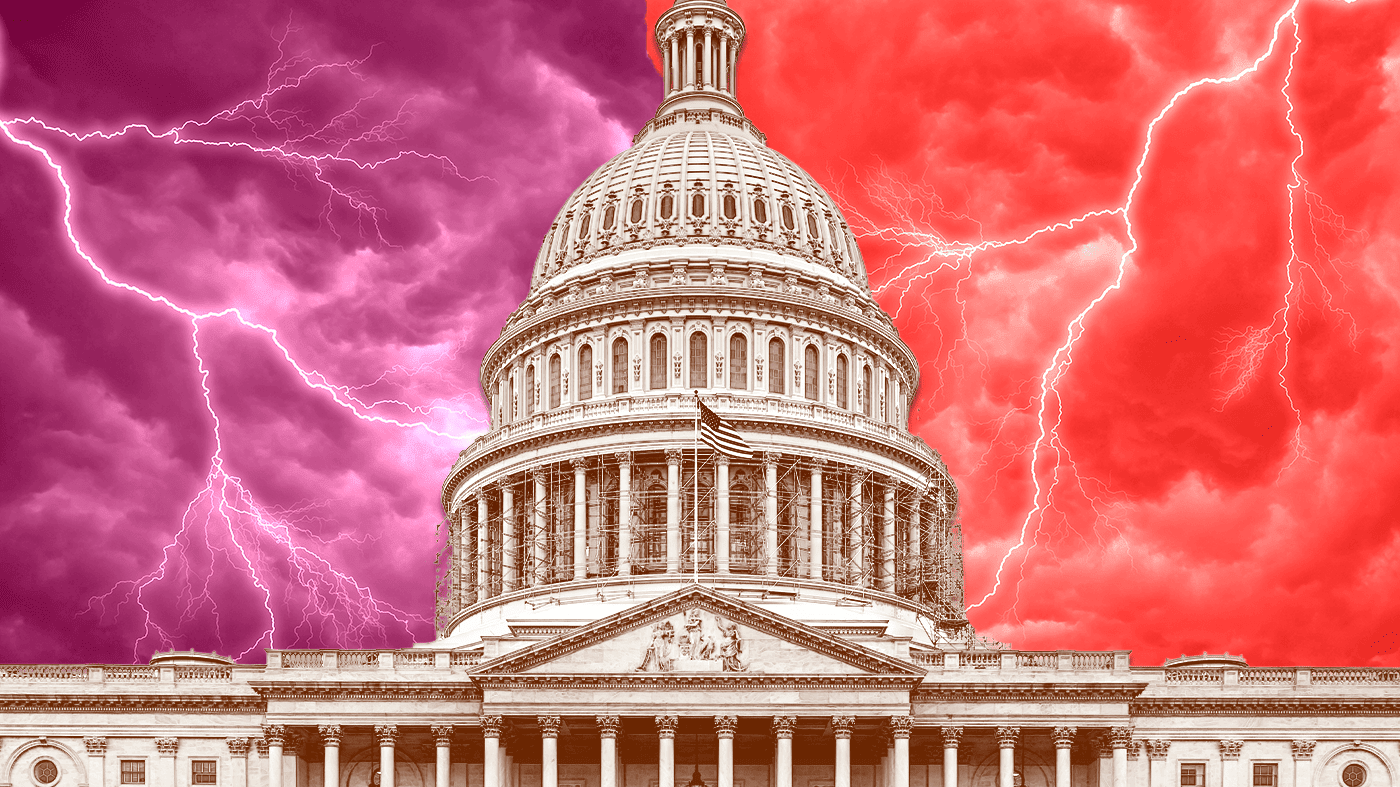
Congressional Republicans have found common ground on funding immigration enforcement, but that unity is fragile. A series of internal clashes over spending, surveillance, public health, ethanol, and energy are poised to dominate the legislative calendar as the party grapples with the political implications of the upcoming midterm elections.
The central tension: some Republicans want to maximize their legislative power while they hold unified control, while those in competitive districts fear a voter backlash. Here are five key battles that will drive the House this summer.
1. Fiscal Hawks vs. Purple District Members
The GOP’s top priority remains a third reconciliation package—dubbed Reconciliation 3.0—to advance partisan priorities without a Senate filibuster. After using the process for President Trump’s tax cuts and a “skinny” package for Immigration and Customs Enforcement and Border Patrol, Speaker Mike Johnson (R-La.) wants to combine Pentagon supplemental funding for the Iran war with cost-cutting measures aimed at rooting out fraud.
Senate Budget Committee Chair Lindsey Graham (R-S.C.) is working with House Budget Committee Chair Jodey Arrington (R-Texas), a fiscal hawk, to craft the proposal. But swing-district Republicans see political risk in deep spending cuts as they court moderate voters, fueling pessimism that the package can pass the narrow majority. As jet fuel surges drive up airfare, the economic stakes only heighten the tension.
2. Privacy Hawks vs. Intel Republicans
The fight over surveillance powers is far from over. Privacy hawks defied GOP leaders and the White House by blocking a clean 18-month extension of Section 702 of the Foreign Intelligence Surveillance Act (FISA), demanding warrant requirements for Americans’ communications swept up in foreign surveillance. Intel-minded Republicans argue such restrictions would hamstring law enforcement.
The House passed a three-year extension in April with modest reforms, plus a ban on a Federal Reserve digital currency—a privacy priority. But Senate GOP Leader John Thune (S.D.) called the CBDC measure “dead on arrival,” and Congress passed a 45-day extension as the Senate reworks the package. With FISA authorization expiring June 12, privacy hawks have another chance to push for changes.
3. MAHA vs. Deregulation Advocates
The Make America Healthy Again (MAHA) movement, boosted by HHS Secretary Robert F. Kennedy Jr., is upending traditional GOP pro-business deregulation. MAHA-aligned lawmakers like Rep. Anna Paulina Luna (R-Fla.) are pushing for tougher corporate rules on toxic products, aligning with liberal environmentalists against business-friendly Republicans.
During the farm bill debate, Luna successfully amended the House package to remove a provision shielding pesticide makers from labeling lawsuits. Conservative columnist Kimberley Strassel attacked Luna in The Wall Street Journal for “ideological confusion,” warning that rejecting federalism and free markets leads to Democratic policies. Luna countered on X: “To the Senate: don’t. If this comes back with those protections included, we have the votes to kill it.” Pro-business senators may strip the amendment, setting up a showdown later this year.
4. Corn-State vs. Oil-State Republicans
A long-sought vote to codify year-round sales of E15—a 15% ethanol blend—pits corn-state Republicans against oil-state colleagues. Ethanol producers argue it boosts rural economies and energy independence, while oil-state lawmakers worry about market distortions and higher costs. The battle reflects deeper regional divides within the GOP as the Iran war drives up energy costs, making fuel policy a high-stakes issue for midterm voters.
5. Energy Hawks vs. Environmental Pragmatists
Republicans are split over how aggressively to expand domestic energy production. Some, backed by oil and gas interests, want to fast-track drilling permits and roll back environmental reviews. Others, particularly those in districts with renewable energy industries, urge a more balanced approach that includes wind, solar, and carbon capture. The debate is intensifying as the detention crisis and border security compete for attention, but energy policy remains a core GOP battleground.
These five battles will test Speaker Johnson’s ability to hold his conference together—and shape the party’s message heading into November.